The Soap Factory occupies one of the most photographed industrial shells in downtown Minneapolis, a hulking limestone-and-brick complex on the east bank of the Mississippi River that spent decades manufacturing soap before spending another two decades manufacturing contemporary art. For visitors researching it today, the most important fact is timing: this is a site with a complicated, still-unfolding status, and anyone planning a trip needs current information before showing up expecting an open gallery.
The Soap Factory sits at 514 Second Street SE in Minneapolis’s St. Anthony Main district, inside the former National Purity Soap Factory building along the Mississippi riverfront. It operated for over two decades as a noncommissioned contemporary art center known for its haunted basement Halloween attraction and experimental exhibitions before closing its public exhibition program; visitors should verify current operating status before arriving, as the building’s future use has shifted in recent years.
At A Glance
| Address | 514 SE Second Street, Minneapolis, MN 55414 |
| Operating Hours | Historic gallery hours were Wed–Sun, 12–5pm; regular public exhibitions are not currently running, so confirm status before visiting |
| Price Range / Admission | Free general gallery admission historically; the Haunted Basement charged $20–$28 per ticket during its October run |
| Highlights | Riverfront industrial architecture, former Haunted Basement, rotating experimental art installations, exposed brick and timber interior |
| Transport/Transit Access | Metro Blue/Green Line to Government Plaza then bus, or direct drive; street parking and nearby St. Anthony Main ramps |
Origins, Architectural Evolution & Cultural Significance
The building that houses The Soap Factory dates to 1883, originally constructed for the National Purity Soap Company along the milling corridor that made Minneapolis an industrial power in the late nineteenth century. Its position on the east bank of the Mississippi placed it among a cluster of mills and warehouses that used the river for power and shipping, and the structure’s thick limestone walls, heavy timber framing, and utilitarian window grids reflect construction practices typical of Upper Midwest manufacturing buildings of that era. When soap production ceased in the mid-twentieth century, the building sat through decades of adaptive reuse attempts common to former industrial corridors nationwide, eventually falling into the hands of preservation-minded developers who recognized the raw architectural value of unfinished brick, cast-iron columns, and open floor plates for creative reuse.
In 1993 the space reopened as an artist-run exhibition venue, and it grew over the following decades into one of the only noncommissioned, noncollecting contemporary art centers in the Twin Cities, meaning it built exhibitions and installations from scratch rather than displaying a permanent collection. This model attracted emerging and mid-career artists working in installation, sculpture, and site-responsive media who wanted access to raw, unconventional square footage rather than white-cube gallery walls. The organization built its reputation partly through the annual Haunted Basement, a wildly popular immersive horror experience staged in the building’s actual subterranean tunnels and boiler rooms, which for several Octobers became one of the most talked-about seasonal attractions in the city, drawing thousands of visitors who came as much for the raw architecture as for the scares.
Financial pressure, rising real estate costs along the redeveloping riverfront, and the broader difficulty of sustaining alternative art spaces led the organization to suspend its public exhibition program in the years following 2020. The building’s ownership and future use have been subjects of local development discussion since, with portions of the riverfront district seeing continued residential and commercial redevelopment pressure. Its cultural significance in Minneapolis nonetheless remains intact: for a generation of local artists, students, and gallery-goers, The Soap Factory represented the city’s willingness to house risk-taking, unpolished contemporary work inside a building that itself told the story of Minneapolis’s manufacturing past.
Signature Highlights & Detailed Offerings
During its active years, exhibitions rotated through the building’s two main gallery floors and its distinctive lower level. Notable programming included the biennial All College Reunion exhibitions showcasing regional MFA graduates, large-scale sculptural installations that used the building’s structural columns and uneven concrete floors as part of the artwork itself, and site-specific commissions that could not have existed in a conventional gallery because they depended on the building’s odd geometry, its water-stained walls, and its residual smell of old machine oil.
The single most famous offering was the Haunted Basement, staged annually each October in the building’s original underground service tunnels and mechanical rooms. Unlike typical haunted house attractions built from plywood sets, this experience used the real subterranean infrastructure of the soap factory, including narrow brick corridors, low ceilings, and genuine darkness, combined with a cast of actors performing scripted, interactive scare sequences that sometimes involved physical contact, water, and strobe effects. Tickets ran in the $20 to $28 range depending on the year and date, and the event regularly sold out its timed-entry slots weeks in advance. Visitors reported wait times of 45 minutes to over an hour on peak weekend nights even with advance tickets, and the experience carried content warnings for claustrophobia, strobe lighting, and simulated violence.
- Rotating contemporary art installations by regional and national artists
- The Haunted Basement immersive theater experience (seasonal, October only, when running)
- Artist talks, opening receptions, and community art-making events
- Exposed industrial architecture serving as a standing exhibit in itself
- Riverfront views from the building’s exterior loading dock area
Sensory & Spatial Walkthrough
Walking into the main gallery level, the material palette is dominated by raw brick in ochre and rust tones, unpainted concrete floors scarred by decades of heavy equipment, and exposed steel beams painted in flat industrial black or left to rust naturally. Natural light enters through tall, multi-pane factory windows set high on the walls, throwing long horizontal bars of light across the floor in late afternoon that shift dramatically depending on cloud cover coming off the river. The acoustic environment on the main floor is cavernous, with sound bouncing off hard surfaces and creating a low reverberation that made even quiet gallery openings feel charged.
Descending toward the basement level, the atmosphere changes completely. Ceilings drop to under seven feet in places, ambient temperature cools by several degrees year-round due to the below-grade construction, and the smell shifts to damp mineral and old brick dust. This is precisely why the space worked so well for the Haunted Basement: total darkness was achievable in ways impossible in a modern building, and the irregular floor plan meant visitors genuinely lost their sense of direction. During daytime gallery hours, this lower level occasionally hosted more intimate, sound-based or video installations that used the absence of natural light to full effect. Seating throughout the building was minimal and intentionally spare, consisting mostly of gallery benches, reinforcing the sense that visitors were meant to move through the space rather than linger passively.
Insider Visitor Strategy & Pro Tips
- Confirm current status directly before traveling, since the building’s use as a public exhibition venue has been inconsistent since 2021.
- If any special exhibition or pop-up event is scheduled, arrive within the first hour of opening on weekdays to avoid school groups and weekend crowds.
- Historically, the Haunted Basement required advance online ticket purchase; walk-up tickets were rarely available on weekend nights during its run.
- Photography was generally permitted in main gallery spaces without flash, but check posted signage for any artist-specific restrictions on individual installations.
- The best exterior photography angle is from the Third Avenue Bridge sidewalk looking back at the building’s riverside facade at golden hour, when the brick takes on a deep amber tone.
- Wear closed-toe shoes; original industrial flooring is uneven and occasionally slick near the loading dock entrance.
Curated Half-Day Neighborhood Pairing Itinerary
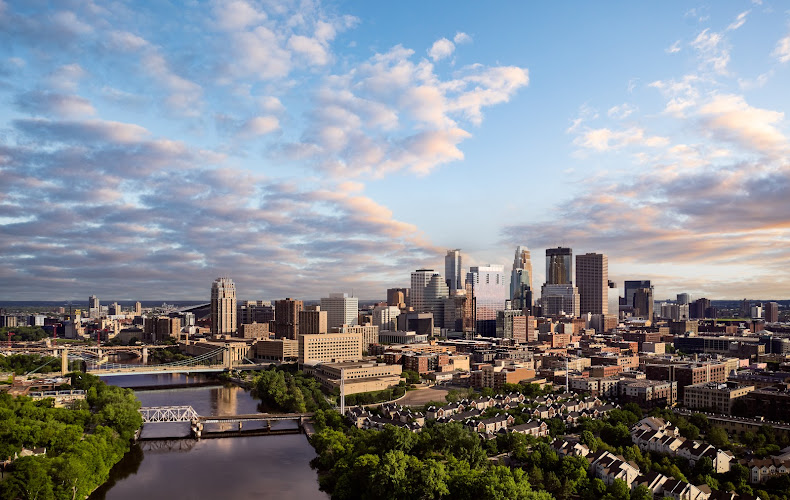
Begin at The Soap Factory’s exterior on Second Street SE, taking time to walk the riverfront path directly behind the building for unobstructed views of the Mississippi and the Minneapolis skyline across the water. From there, walk five minutes north along Main Street SE into the St. Anthony Main entertainment district, where independent coffee shops and the historic Pracna on Main building offer a coffee or lunch stop inside a nineteenth-century saloon structure. Continue another eight minutes on foot across the Stone Arch Bridge, the decommissioned 1883 railroad bridge that offers the single best photographic vantage point of St. Anthony Falls and the Mill City ruins. From the far end of the bridge, it is a further ten-minute walk to Mill City Museum, built inside the ruins of the former Washburn A Mill, which pairs thematically with The Soap Factory as another example of Minneapolis converting industrial infrastructure into cultural space. This entire circuit covers roughly 1.5 miles and comfortably fills three to four hours including stops.
Practical Logistics & Universal Accessibility
The site is reachable via Metro Transit bus routes serving the St. Anthony Main and University Avenue corridor, with the nearest light rail connection at the Government Plaza or West Bank stations on the Blue and Green Lines, followed by a short bus transfer or a 15 to 20 minute walk across the Hennepin Avenue or Third Avenue bridges. Street parking exists along Second Street SE and Main Street SE, though it is metered and limited during peak riverfront events; the St. Anthony Main parking ramp offers hourly rates typically in the $3 to $6 per hour range. The main gallery level historically offered step-free access from the primary Second Street entrance, though the lower Haunted Basement level, when operational, was not wheelchair accessible due to its original industrial stairways and narrow tunnel widths. No formal dress code applies to the building; cash and card were both accepted for ticketed events in past seasons, though visitors should expect any future programming to shift to card-only or online-only ticketing given regional trends among Minneapolis arts venues.
Frequently Asked Questions
Is The Soap Factory currently open to the public? Its regular contemporary art exhibition program has been suspended since 2021, and visitors should check current listings before planning a visit, as the building’s public use has changed.
Does the Haunted Basement still run every October? The Haunted Basement is not confirmed as an annually recurring event in recent years; confirm directly through current event listings for the Minneapolis riverfront area before October.
Is parking available near the building? Yes, metered street parking on Second and Main Street SE and the St. Anthony Main parking ramp, at roughly $3 to $6 per hour, serve the immediate area.
Is the building wheelchair accessible? The main floor historically offered step-free entry, but the lower level, including the former Haunted Basement route, was not accessible due to original industrial stairs and low tunnel clearances.
What is the nearest transit stop? The Government Plaza or West Bank Blue/Green Line light rail stations are closest, followed by a bus transfer or roughly a 15 to 20 minute walk across the Mississippi River bridges.
What else is worth seeing nearby? The Stone Arch Bridge, Mill City Museum, and the St. Anthony Main historic district are all within a 15-minute walk and pair well thematically as former industrial sites converted to cultural use.