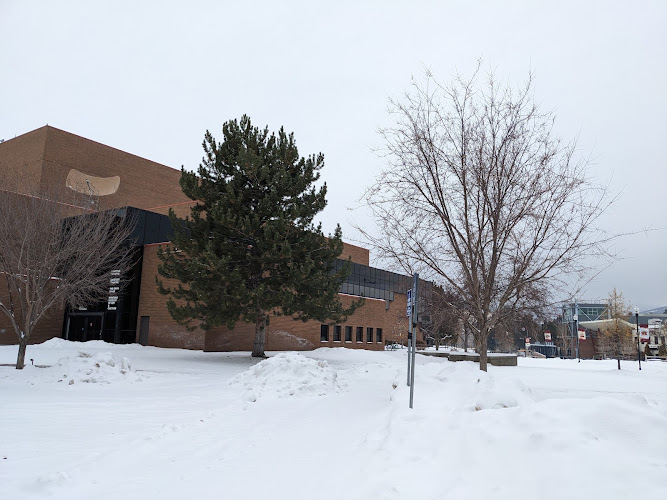
Montana Natural History Center is an interactive science museum and environmental education institution located at 120 Hickory Street, Suite A, along the Clark Fork River in the McCormick Park neighborhood of Missoula, Montana. Founded in 1991 by a group of University of Montana educators and local naturalists to connect Western Montanans with the ecology of the Northern Rockies, the center occupies a renovated historic brick warehouse just west of downtown. Visitors come to explore hands-on paleontology and geology exhibits, examine fossils from prehistoric Glacial Lake Missoula, browse rotating regional wildlife art, and let children climb and dig in the outdoor Nature Adventure Garden.
What to Expect at Montana Natural History Center
Inside the main exhibition hall at Montana Natural History Center, galleries trace the geologic and biological forces that shaped the Missoula Valley and the Crown of the Continent ecosystem. Permanent displays examine the catastrophic Ice Age floods of Glacial Lake Missoula, complete with touchable rock specimens, topographic models, and interactive stations showing how towering walls of water carved the region’s canyons. Visitors can inspect mounted wildlife specimens native to western Montana, peer through microscopes at insect and botanical samples in the naturalist discovery lab, and view ancient marine fossils and dinosaur bones excavated across the state. An adjacent gallery showcases rotating works by Montana painters, photographers, and illustrators whose work focuses on regional flora and fauna.
Stepping outside the museum doors, the fenced two-acre Nature Adventure Garden provides a hands-on outdoor classroom landscaped with native Montana bunchgrasses, wildflowers, and shrubs. Designed for tactile exploration, the garden includes a mud kitchen, a giant Kid-Sized Magpie Nest built from woven branches, a Dinosaur Dig sand pit with replica fossils, and a willow tunnel. Beyond its Hickory Street headquarters, the center also stewards the Fort Missoula Native Plant Garden and produces the long-running Field Notes radio program in partnership with Montana Public Radio, alongside Saturday kids’ activities, the miniNaturalist early-childhood series, and the adult Montana Master Naturalist certification course.
- Glacial Lake Missoula Exhibit: Interactive geologic displays and relief maps illustrating how an Ice Age ice dam on the Clark Fork River repeatedly ruptured, sending catastrophic floods across the Pacific Northwest.
- Nature Adventure Garden: An outdoor sensory play and botany space featuring a woven human-sized magpie nest, fossil dig pit, mud kitchen, log balance beams, and labeled native plant beds.
- Discovery Area & Microscope Station: A hands-on naturalist lab stocked with animal skulls, pelts, tracks, pine cones, and magnifying lenses where staff and volunteers answer wildlife questions.
- Regional Naturalist Art Gallery: Rotating exhibitions highlighting botanical illustrations, nature photography, and landscape paintings by western Montana artists.
- Museum Gift Shop & Field Guide Library: A curated retail space carrying regional field guides, geology kits, children’s science books, and the center’s own Field Notes anthology.
Montana Natural History Center at a Glance
| Detail | Information |
|---|---|
| Address | 120 Hickory St # A, Missoula, MT 59801 |
| Neighborhood / Area | McCormick Park / Riverfront District |
| Operating Hours | Tuesday–Saturday: 10:00 AM – 4:00 PM; Closed Sunday & Monday |
| Admission / Price Range | Paid admission ($); $6 adults, $5 seniors (65+) & youth (4–17), free for children under 4 and MNHC members |
| Recommended Visit Duration | 1 to 2 hours |
| Nearest Transit / Parking | Free on-site surface parking lot on Hickory St; Mountain Line bus stops along Cregg Lane and Orange Street |
| Official Website & Phone | montananaturalist.org | +1 406-327-0405 |
Visiting Tips, Getting There & Nearby Pairings
For the quietest experience inside the indoor exhibits, plan to arrive on weekday afternoons after 1:00 PM, as local school field trips and miniNaturalist youth groups frequently visit between 10:00 AM and noon on Tuesdays through Fridays. Saturday mornings feature drop-in family science programs that are included with regular admission. Getting to the center is straightforward by bike, foot, or car: the Milwaukee Trail—a paved, flat multi-use path following the Clark Fork River—runs directly past the property, connecting to Caras Park and downtown Missoula in a 10-minute walk. Drivers can pull into the free dedicated parking lot off Hickory Street. The entire single-story indoor exhibition space, restrooms, and gift shop are step-free and wheelchair accessible, while the outdoor Nature Adventure Garden has packed gravel and mulch paths suitable for strollers.
Because the center sits right on the edge of McCormick Park, it pairs naturally with an afternoon along the riverfront. Directly across the street, Silver Park and McCormick Park offer riverside picnic tables, a public boat launch, and Currents Aquatics Center, an indoor municipal water park. Two blocks north across the California Street pedestrian bridge, the Riverfront Trail leads east to Brennan’s Wave and Caras Park, or you can walk five minutes south to the historic Sawmill District and grab wood-fired pizza or local craft beer along West Broadway and Orange Street.
Frequently Asked Questions
What are the hours and best days to visit Montana Natural History Center?
Montana Natural History Center is open Tuesday through Saturday from 10:00 AM to 4:00 PM and is closed on Sundays and Mondays. Weekday afternoons after 1:00 PM offer the calmest browsing for adults, while Saturday mornings are ideal for families wanting to join scheduled kids’ naturalist activities.
How much does admission cost and are reservations required?
General admission is $6 for adults and $5 for seniors (ages 65 and up), students, and youth ages 4 to 17, while children under age 4 and center members enter free. Advance tickets are not required for daily walk-in visits, though pre-registration on the official admissions page is recommended for summer camps, birthday parties, and adult Master Naturalist workshops.
How much time should I budget for a visit?
Most visitors spend 60 to 90 minutes exploring the indoor Glacial Lake Missoula displays, touch tables, and art gallery. Families with children between ages 3 and 10 should allow closer to two hours during spring, summer, and fall to take full advantage of the outdoor Nature Adventure Garden.
Is Montana Natural History Center wheelchair and stroller accessible?
Yes, the museum occupies a single ground-level floor with wide aisles, step-free entrances, and accessible restrooms. The outdoor Nature Adventure Garden is enclosed by a perimeter fence with level entry gates and compacted paths that accommodate strollers and mobility devices.
When planning your Missoula travel guide or browsing verified attractions in Missoula, pair this stop with standout local spots including AC Hotel Missoula Downtown, Montana Museum of Art & Culture, Caras Park, and Boxcar Bistro (0.3 km away).