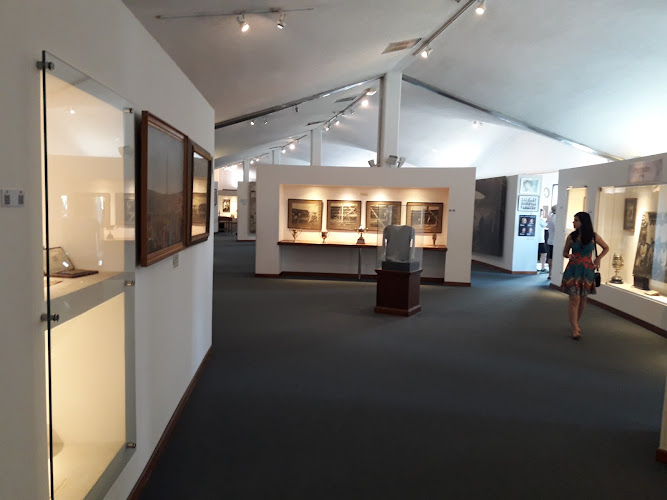
Palacio Estévez | Museo de la Casa de Gobierno is Uruguay’s presidential-history museum at Plaza Independencia 776, 11000 Montevideo, on the southern edge of the square in Centro, beside Ciudad Vieja. Built in the 1870s as merchant Francisco Estévez’s residence, the neoclassical palace became the seat of the national executive in 1880. Travelers come for presidential portraits, ceremonial objects, historic furnishings, and an intimate introduction to the republic’s political history inside a former working government building.
What to Expect at Palacio Estévez
The palace’s restrained, symmetrical façade contrasts with the taller Palacio Salvo across the square and the contemporary Torre Ejecutiva next door. Its classical detailing, balconies, and formal interior spaces reflect the ambitions of late-19th-century Montevideo. President Lorenzo Latorre’s government acquired the property in 1880; presidential offices remained here until the return to democratic government in 1985, when the executive moved to the Edificio Libertad. The presidential museum opened in 1999, giving the building a public role beyond official ceremonies.
Inside, the collection follows Uruguay’s presidents through portraits, documents, medals, ceremonial dress, presidential sashes, and furniture associated with government. The interest lies in connecting these personal and official objects with the country’s changing institutions, rather than expecting a large art museum. Start with the earliest presidential material and follow the historical sequence before examining the formal rooms and furnishings. A little background on Fructuoso Rivera, Uruguay’s first constitutional president, and reforming president José Batlle y Ordóñez makes the displays more rewarding.
- Neoclassical exterior: Study the ordered façade and balcony overlooking the country’s principal ceremonial square.
- Presidential portraits: Follow the succession of national leaders through official representations and changing visual styles.
- Ceremonial insignia: Presidential sashes and medals explain how republican authority is expressed through objects.
- Historic furnishings: Furniture and decorative details preserve the atmosphere of an executive palace rather than a purpose-built museum.
- Government-building setting: Compare the palace with neighboring Torre Ejecutiva to understand how the presidency’s physical presence has changed.
Palacio Estévez at a Glance
| Detail | Information |
|---|---|
| Address | Plaza Independencia 776, 11000 Montevideo, Uruguay |
| Neighborhood / Area | Centro, adjoining Ciudad Vieja |
| Operating Hours | Monday–Friday, 10:00 a.m.–4:45 p.m.; Saturday–Sunday closed |
| Admission / Price Range | Free admission; $ |
| Recommended Visit Duration | 45 to 60 minutes |
| Nearest Transit / Parking | City buses around Plaza Independencia and the Buenos Aires–Ciudadela corridor; paid parking in surrounding Centro streets and garages |
| Official Website & Phone | Presidencia de Uruguay; +598 2150 5902 |
Visiting Tips, Getting There & Nearby Pairings
Arrive on a weekday morning, allowing enough time before the 4:45 p.m. closing. Because this remains a government-associated property, telephone ahead around public holidays or official events, and ask about guided visits if interpretation in English matters to you. Confirm photography and bag-storage arrangements with staff before entering the displays. Historic interiors include stairs: travelers requiring a step-free entrance, lift access, or assistance should discuss the complete visitor route by telephone before arrival.
Montevideo has no metro; use the STM bus network, with routes including 121 and 180 serving the central-city area, and check the destination and nearest stop before boarding. From the square, walk to the palace’s southern frontage. Drivers should use a paid garage nearby rather than expect visitor parking at the entrance; surrounding streets have regulated parking. Pair the museum with the Artigas monument and mausoleum in the square, Puerta de la Ciudadela about five minutes away, and Teatro Solís within a five-to-ten-minute walk. Continue along pedestrian Calle Sarandí for cafés and lunch.
Frequently Asked Questions
What are the opening hours and best visiting time?
The museum opens Monday through Friday from 10:00 a.m. to 4:45 p.m. and closes on weekends. A morning visit leaves time for nearby Ciudad Vieja sights; check holiday arrangements by telephone.
How much does admission cost, and should I reserve?
Admission is free. Contact the museum beforehand for organized groups or guided visits, rather than assuming a tour will be available when you arrive.
How long should I spend at Palacio Estévez?
Allow 45 to 60 minutes for the presidential displays and architectural details. Budget another hour for Plaza Independencia, the Artigas memorial, and the walk toward Teatro Solís.
Is it suitable for families and visitors with limited mobility?
The relatively compact collection suits families interested in history, although the emphasis is on objects rather than hands-on activities. Visitors using wheelchairs or strollers should confirm entrance and internal access before traveling.
When planning your Montevideo travel guide or comparing verified attractions and museums in Montevideo, pair this stop with standout local spots including Museo Gurvich, Hotel Palacio, Juegos del Parque Rodó, and MUSEO DEL TANGO – Tours & Tango show (0.1 km away).