Editorial disclosure: This destinations.ai guide was prepared with AI assistance and checked against the official sources linked below. Accommodation and activity placeholders may use affiliate links; that does not change the planning advice.
New Orleans, Louisiana, United States rewards you with a trip built around place: the curve of the Mississippi River, Creole cottages and balconies, brass bands, neighborhood restaurants, and festivals that fill the calendar. You can spend a morning in the French Quarter, ride beneath Uptown live oaks in the afternoon, and hear live jazz after dark without covering much ground.
Your best first trip combines the French Quarter’s historic core with one museum, one neighborhood beyond downtown, several local dishes, and a live-music evening. Leave room between plans for heat, rain, parade detours, and the pleasure of following music from one block to the next.
Key Takeaways
- Stay centrally and explore each neighborhood on foot.
- Book major museums, festival lodging, and sought-after dinners early.
- Plan outdoor time for mornings and keep rain gear close.
Quick Answers and Trip Profile
New Orleans works best as a two- or three-day city break, with four days giving you time for a swamp, plantation, or river-focused excursion. The main visitor areas are compact, but the wider city reveals itself through streetcar rides, neighborhood walks, and music venues.
- Best for: Food-focused trips, music lovers, history, architecture, and festivals.
- Ideal stay: Three nights for a first visit.
- Airport: Louis Armstrong New Orleans International Airport (MSY).
- Time zone: Central Time.
- Car: Unnecessary for a central stay; useful for independent day trips.
- Signature experiences: French Quarter walking, live jazz, Creole and Cajun cooking, the National WWII Museum, and a St. Charles streetcar ride.
Use the official New Orleans visitor website to check festival dates, attraction notices, and current neighborhood events before committing to a schedule. Carnival, Jazz Fest, large conventions, and Saints home games can reshape hotel availability across the city.
Best Things to Do in New Orleans, Louisiana, United States
Start with the French Quarter, the National WWII Museum, live music, and a ride on the St. Charles streetcar for a balanced first visit. Together, these experiences show you the city’s colonial-era streetscape, national history, performance culture, and Uptown architecture.
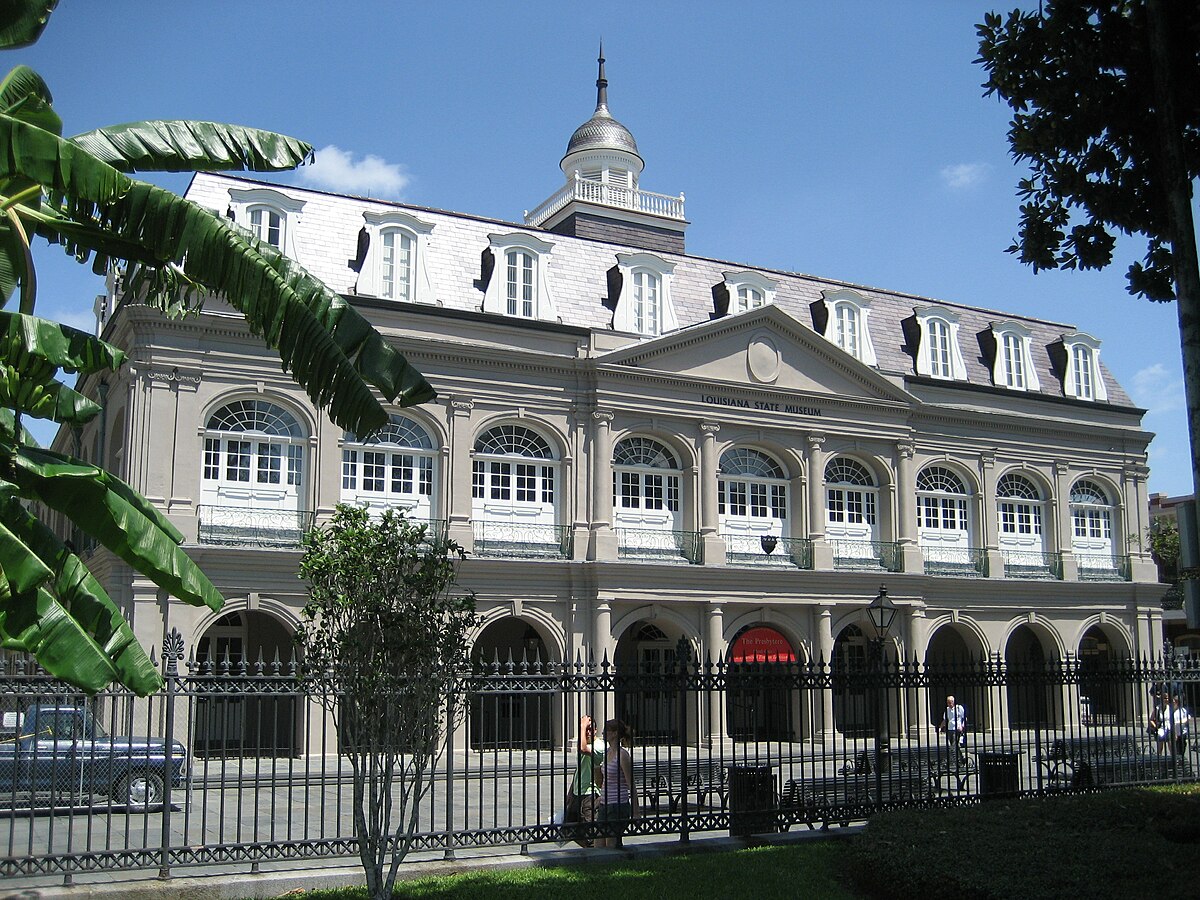
Walk Jackson Square and the surrounding French Quarter in the morning, when the light and temperatures are more forgiving. Visit St. Louis Cathedral from the outside and inside when open, browse Royal Street’s galleries and antiques, and step onto Bourbon Street briefly if you’re curious about its nightlife.
The Quarter feels most rewarding when you wander beyond its busiest blocks. Give the National WWII Museum several hours if military and social history interest you, since its galleries are substantial; choose a focused visit rather than trying to absorb every exhibition in a rushed hour.
For music, seek out a small venue on Frenchmen Street or check neighborhood listings for brass bands, jazz, funk, bounce, and R&B. Arrive early for a seat, observe venue rules around cover charges and photography, and support musicians through tickets and tips.
Reserve a guided food, cocktail, architecture, cemetery, or history walk when you want context alongside sightseeing. You can also use the city’s official collection of things to do in New Orleans to match tours, museums, and family attractions to your travel dates.
For a smaller cultural stop, explore The Historic New Orleans Collection, whose exhibitions and research-centered presentations add useful depth to the French Quarter’s streets and buildings.
History, Culture, and Local Character
New Orleans reflects Indigenous, French, Spanish, African, Caribbean, American, and immigrant histories, and you’ll get more from the city by treating each tradition with care. The city was founded in 1718, and its location beside the Mississippi River shaped trade, migration, cuisine, architecture, and music.
Creole describes cultural traditions rooted in colonial Louisiana, while Cajun culture developed through Acadian communities and their descendants, especially in south Louisiana. The cuisines intersect in places, yet gumbo, jambalaya, red beans and rice, étouffée, po’boys, muffulettas, pralines, and beignets each carry different histories and regional variations.
New Orleans music grew from African diasporic musical traditions, church music, marching bands, social aid and pleasure clubs, dance halls, and neighborhood performance spaces. Jazz belongs to the city’s cultural legacy, though a living music night will also bring you funk, brass-band repertoire, hip-hop, bounce, and contemporary sounds.
Approach cemeteries, Voodoo traditions, Mardi Gras Indian culture, and second lines as living community practices. Follow posted rules, respect private ceremonies, ask before photographing people, and choose guides who explain the history without turning sacred or personal traditions into spectacle.
A visit to the New Orleans Historic Voodoo Museum can complement a broader conversation about the city’s spiritual traditions.
Neighborhoods, Parks, and Outdoor Activities
Choose neighborhoods according to the pace you want, then use parks, streetcars, ferries, and riverfront paths to see more of New Orleans beyond Bourbon Street. Warm, humid weather calls for water, sunscreen, breathable clothing, and a plan to pause indoors during the middle of the day.
- French Quarter: Historic architecture, Jackson Square, dining, nightlife, and the densest concentration of visitor sights.
- Central Business District and Warehouse District: Convenient hotels, the National WWII Museum, galleries, and access to downtown.
- Garden District and Uptown: Grand homes, oak-lined avenues, Lafayette Cemetery No. 1 exterior views, and the St. Charles Avenue streetcar.
- Marigny and Bywater: Colorful residential streets, music access, art, and a more neighborhood-oriented feel.
City Park gives you broad lawns, mature oaks, waterways, and access to the New Orleans Museum of Art and Besthoff Sculpture Garden. Audubon Park is a strong Uptown walk or picnic stop near the river and streetcar corridor.
For a river view, walk the Moon Walk and Woldenberg Park downtown, then consider the Algiers Point ferry for a different skyline perspective. The official guidance for getting around New Orleans without a car includes walking, biking, buses, ferries, and streetcars.
For wetlands, book a licensed swamp tour or plan a visit tied to Jean Lafitte National Historical Park and Preserve. Check weather and operator conditions on the day, especially during storm-prone periods.
Where to Stay and What to Eat
Stay in the French Quarter, Central Business District, Warehouse District, Garden District, or Marigny based on your preferred balance of walkability, nightlife, transit, and quiet. Read recent guest reviews for noise notes, confirm parking before arrival if you have a car, and check the exact walking route from your hotel to evening plans.
The French Quarter puts you near historic sights and late-night energy. The Central Business District and Warehouse District suit you if you want larger hotels and easy museum access.
Garden District and Uptown provide a calmer residential base, while Marigny offers convenient access to Frenchmen Street with a local-scale streetscape. For a polished central option, review details for W New Orleans French Quarter alongside current availability and room policies.
Festival weekends warrant early booking across every price level. Build meals around dishes with clear local roots: gumbo, red beans and rice, po’boys, seafood, chargrilled oysters, jambalaya, muffulettas, beignets, bananas Foster, and chicory coffee.
Ask your server about ingredients if you have allergies, especially around shellfish, roux, pork, and spicy seasonings. Mix landmark dining rooms with neighborhood restaurants, bakeries, markets, and casual counter-service spots.
If cocktails interest you, order a Sazerac or Ramos Gin Fizz from a bartender prepared to make it, and pace yourself through the humid climate. You can add context at the Southern Food and Beverage Museum and Museum of the American Cocktail.
How to Get There and Get Around
Fly into MSY for the most direct arrival, then use a taxi, rideshare, hotel shuttle where available, or other prearranged ground transportation to reach your hotel. The airport sits west of downtown, so confirm your pickup point, flight-arrival timing, and luggage capacity before you land.
You can also arrive by Amtrak or drive from elsewhere in Louisiana and the Gulf South. If you drive, reserve hotel parking in advance and avoid leaving valuables visible in your vehicle.
Walking handles much of a French Quarter, Central Business District, and Warehouse District trip. Streetcars provide a scenic connection to Uptown via St. Charles Avenue, while buses, ferries, taxis, rideshares, and bicycles extend your range.
Check the transit agency’s current fares, service alerts, payment methods, and route maps before departure because schedules change. Use rideshare or a taxi after a late show when you’re crossing unfamiliar areas, traveling alone, or facing heavy rain.
Keep your phone charged, confirm the vehicle and driver details before entering, and choose well-lit pickup spots.
Best Time to Visit and Seasonal Planning
March through May and October through November offer the most comfortable conditions for walking, while summer suits you if you prioritize lower demand and plan around heat. New Orleans has a humid subtropical climate, with hot, humid summers and a hurricane season that runs from June 1 through November 30.
Carnival season leads to Mardi Gras, whose date changes each year, and it brings parades, crowds, road closures, and elevated lodging demand. French Quarter Festival and the New Orleans Jazz & Heritage Festival also draw large spring crowds; use the official calendar to verify dates before booking.
Summer rewards you with indoor museums, long restaurant lunches, and evening music, while afternoon thunderstorms require flexible timing. Pack a compact rain layer, refillable water bottle, sun protection, and shoes that handle wet pavement.
Autumn brings cooler stretches and festival activity. Winter has milder days, holiday events, and occasional cold snaps.
A first-time New Orleans visitor plan can help you shape a seasonal mix of streetcars, parks, ferry rides, dining, and music.
A Practical Two- or Three-Day Itinerary
A well-paced itinerary gives you the French Quarter on day one, museums and Uptown on day two, and a neighborhood or nature-focused day three. Reserve timed museum entry, high-demand restaurants, and ticketed tours before you arrive.
- Day 1: Begin at Jackson Square and walk the French Quarter’s side streets. Have a Creole lunch, visit a museum or historic house, rest during the afternoon heat, then hear live music on Frenchmen Street or attend an early evening show.
- Day 2: Spend the morning at the National WWII Museum. Eat in the Warehouse District or Central Business District, ride the St. Charles streetcar, walk the Garden District, and plan dinner in Uptown or the Quarter.
- Day 3: Choose City Park and the New Orleans Museum of Art, a swamp tour, an Algiers Point ferry ride, or a guided history and food excursion. End with a relaxed dinner and a final music set.
For two days, combine the French Quarter and museum portions of the first two days, then select either City Park or the Garden District. Keep your itinerary flexible if rain, a parade, or a venue schedule changes your route.
Costs, Safety, Accessibility, and Reservations
Your trip cost rises most sharply with festival-period lodging, airfare, restaurant reservations, tours, and airport transfers. Booking the essentials early gives you the clearest budget, though hotels and airlines publish dynamic prices, while museums, tours, transit, and restaurants set their own current rates.
Set a daily spending plan for lodging, meals, attractions, local transportation, tips, and a weather-related rideshare. You can reduce costs by walking, choosing free riverfront and park time, eating a mix of counter-service and sit-down meals, and traveling outside major festival dates.
Use this affordable travel planning guide to organize a trip budget before you book.
Stay alert after dark, keep valuables secured, avoid isolated blocks, and use trusted transportation when you are tired or unfamiliar with the area. New Orleans is a working city with changing street conditions, so follow hotel guidance and local alerts during severe weather.
Many historic buildings have narrow entries, uneven surfaces, stairs, and limited elevator access. Contact hotels, restaurants, tour operators, and museums directly before booking if you need step-free entry, accessible restrooms, mobility-device storage, captioning, seating, sensory accommodations, or dietary support.
Reserve popular restaurants, ticketed music performances, weekend brunches, museum experiences, cemetery tours, and swamp tours in advance. Reconfirm cancellation terms and weather policies, especially for outdoor activities.
Sources and Current Planning Links
Use official planning pages close to departure. Event schedules, hours, access conditions, and ticket policies can change.
- Culture-focused New Orleans itinerary ideas
- Official New Orleans visitor guide and city map
- New Orleans event, dining, and attraction listings
- Current car-free transportation guidance
Fan-Out Coverage Checklist
You can plan a satisfying New Orleans trip by matching your travel style to the right neighborhood, season, transport approach, and day-trip choice. Families benefit from museums, parks, aquarium visits, streetcar rides, and daytime music or food experiences.
Is New Orleans, Louisiana, United States Worth Visiting?
New Orleans is worth visiting if you value food, music, layered history, and distinct neighborhoods. The strongest experience comes when you explore beyond Bourbon Street and leave room in each day for a long meal or live set.
What Are the Best Things to Do in New Orleans, Louisiana, United States?
Your core list should include the French Quarter, the National WWII Museum, a live-music night, and the St. Charles streetcar. Add City Park, a food tour, or a ferry ride when you have another half-day.
Where Should You Stay in New Orleans, Louisiana, United States?
Stay in the French Quarter or Central Business District for maximum convenience on a first trip. Choose the Garden District, Uptown, Marigny, or Bywater when you prefer a more residential base and don’t mind longer trips to some central sights.
What Is the Best Time to Visit New Orleans, Louisiana, United States?
Spring and fall give you the most comfortable sightseeing weather. Book far ahead for Mardi Gras and major spring festivals, while summer requires a heat-aware daily schedule and close attention to tropical weather alerts.
How Do You Get to New Orleans, Louisiana, United States?
You will most likely arrive through Louis Armstrong New Orleans International Airport, known as MSY. Amtrak and road trips also work well if your starting point is within the region.
How Do You Get Around New Orleans, Louisiana, United States?
Walk central neighborhoods and use streetcars, buses, ferries, taxis, and rideshares for longer connections. A rental car adds little for a downtown-centered visit and creates parking considerations.
How Much Does a Trip to New Orleans, Louisiana, United States Cost?
Your cost depends heavily on travel dates and lodging location, with Mardi Gras and major festivals carrying the highest demand. Create separate allowances for accommodation, food, attractions, transportation, tips, and travel insurance before you commit to bookings.
What Is a Good Two- or Three-Day New Orleans, Louisiana, United States Itinerary?
Use two days for the French Quarter, a major museum, live music, and the Garden District. Add a third day for City Park, a swamp outing, Algiers Point, or a deeper neighborhood food and history tour.
What Can Families Do in New Orleans, Louisiana, United States?
Families can visit City Park, ride a streetcar, explore the riverfront, and spend time at the Audubon Aquarium. The Louisiana Children’s Museum also provides a dedicated indoor option for younger children.
What Day Trips Can You Take From New Orleans, Louisiana, United States?
Choose a guided swamp tour, a visit connected to Jean Lafitte National Historical Park and Preserve, or a plantation-history excursion, with careful attention to interpretation. Book with operators that clearly state pickup locations, duration, accessibility information, and weather cancellation procedures.
Frequently Asked Questions
These practical answers help you set realistic expectations for timing, free sightseeing, and respectful behavior. Confirm current event and attraction details before departure.
What is the best month to visit New Orleans?
April is an excellent month for pleasant outdoor sightseeing and a full events calendar. Hotel demand can be intense around festival weekends, so October offers a strong alternative with cooler conditions and busy cultural programming.
How many days are ideal for New Orleans?
Three days are ideal for a first New Orleans visit. You will have time for the French Quarter, a major museum, Uptown or City Park, local food, and live music without rushing every meal.
What are the top three things to do in New Orleans?
Walk the French Quarter, visit the National WWII Museum, and hear live music in a dedicated venue. Together, those experiences give you a useful introduction to the city’s built environment, history, and performing culture.
What are the best free places to visit in New Orleans?
Jackson Square, the French Quarter streets, the riverfront parks, City Park grounds, and the Garden District streets offer free exploration. Check access rules before entering religious sites, cemeteries, and private properties.
What are the key do’s and don’ts for visiting New Orleans?
Do reserve major plans early, stay hydrated, tip service workers, and respect neighborhood residents. After late nights, use secure transportation. Don’t treat private rituals, cemeteries, or residential stoops as backdrops, and keep drinks, valuables, and phones attended in crowded areas.
Affiliate placeholder: Compare accommodation options after checking the official property details, location, and cancellation terms.
Affiliate placeholder: Check current activity availability, meeting points, accessibility, and cancellation terms before reserving.