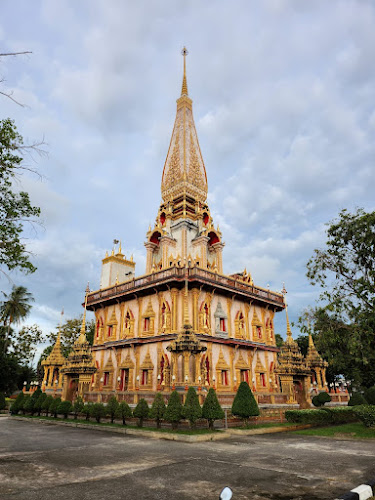
Museum Phuket (Phuket Nagara) is a free city-history museum at 200 Phuket Road, Talat Yai, Mueang Phuket District, Phuket 83000, Thailand. Housed in a restored early-20th-century Sino-Portuguese commercial building associated with Phuket’s former international banking era, it introduces the island’s maritime connections, tin-mining boom, Chinese-Peranakan communities and changing streetscape. Travelers visit to place Phuket Old Town’s shophouses, shrines and local food culture in their historical context before exploring the surrounding heritage quarter on foot.
What to Expect at Museum Phuket (Phuket Nagara)
The museum is compact, interpretive and centered on Phuket Town rather than island-wide natural history. Its galleries trace how a small port developed through trade with Penang, Singapore and China, then expanded during the tin era. Displays use historic photographs, maps, archival documents, objects and multimedia to explain the migration of Chinese workers and merchants, the growth of Baba-Nyonya culture, and the economic networks behind Old Town’s elaborate shop-houses.
Allow time to look closely at the building itself. The restored façade combines the proportions of a European commercial structure with details familiar from Phuket’s Sino-Portuguese streetscape, including tall shuttered openings, decorative plasterwork and a deep interior layout designed for the tropical climate. Inside, the chronology moves from early settlement and sea trade to mining, municipal development and contemporary Phuket. English interpretation is available on key displays, though some detailed labels are primarily in Thai.
- Phuket Town timeline: A chronological introduction to the port, settlement and municipal growth of Phuket’s historic center.
- Tin-mining story: Photographs and interpretive material explain the industry that reshaped Phuket’s economy and attracted migrant communities.
- Chinese-Peranakan heritage: Learn how Chinese customs, Hokkien language and local Baba-Nyonya traditions influenced daily life, food and architecture.
- Historic visual archive: Period images and maps make it easier to identify how Phuket Road and nearby Old Town streets have changed.
- Restored heritage building: The museum experience includes the early-20th-century Sino-Portuguese commercial architecture as well as the exhibitions.
Museum Phuket (Phuket Nagara) at a Glance
| Detail | Information |
|---|---|
| Address | 200 Phuket Road, Talat Yai, Mueang Phuket District, Phuket 83000, Thailand |
| Neighborhood / Area | Talat Yai, on the eastern edge of Phuket Old Town |
| Operating Hours | Tuesday-Saturday 9am-4:30pm; Sunday 1pm-8pm; closed Monday. Confirm holiday changes before travel. |
| Admission & Ticket Prices | Free public admission; no advance ticket purchase is normally required. |
| Recommended Visit Duration | 45 to 60 minutes |
| Nearest Transit / Parking | About a 10-15 minute walk from Phuket Bus Terminal 1 and Ranong Market songthaew area; limited paid and on-street parking nearby. |
| Official Website / Phone | Phuket City Municipality; contact the municipality for current programming and holiday hours. |
Visiting Tips, Getting There & Nearby Pairings
Arrive soon after the 9am opening on Tuesday through Saturday for the quietest galleries and cooler walking conditions in Old Town. Sunday’s later afternoon-to-evening schedule works well with the Phuket Old Town Sunday Walking Street, although the museum and surrounding lanes can be busier. Admission is free, so walk-ins are appropriate; contact Phuket City Municipality ahead of time if you are bringing a school group or want to confirm temporary exhibition access. Bring water and plan indoor stops around midday, especially from March to May.
From Phuket Bus Terminal 1, walk southwest along Phuket Road; local blue songthaews serving parts of the island use the Ranong Market area, roughly 10 minutes away on foot. Drivers should expect scarce street parking in the heritage district and use nearby paid lots when available rather than stopping on Phuket Road. This is a historic multi-level building: entrance thresholds and stairs can be challenging for wheelchairs or strollers, and a public visitor elevator is not a feature to rely on. Ask staff about ground-floor access on arrival. Within a 5-15 minute walk, pair the museum with Phuket Old Town, the Thai Hua Museum on Krabi Road, and the cafés, Hokkien noodle shops and dessert counters around Thalang Road.
Frequently Asked Questions
When is Museum Phuket (Phuket Nagara) open, and what is the best time to visit?
It opens Tuesday through Saturday from 9am to 4:30pm and Sunday from 1pm to 8pm, with Monday closure. Go soon after weekday opening for a calmer visit, then continue through Old Town before the afternoon heat.
How much are tickets, and do I need a reservation?
General entry is free. Individual visitors do not normally need reservations. For groups, special activities or public-holiday visits, check with Phuket City Municipality in advance.
How much time should I budget for the museum?
Budget 45 to 60 minutes for the main displays and the restored building. Allow two to three hours if you combine it with Thai Hua Museum and a self-guided walk along Phuket, Krabi and Thalang roads.
Is Museum Phuket suitable for children and wheelchair users?
Families will find the photographs, maps and multimedia useful for explaining Phuket’s past, though it is a quiet history museum rather than a hands-on children’s attraction. Because the heritage building includes thresholds and stairs, wheelchair users and visitors with strollers should confirm accessible ground-floor access with staff before visiting.
When planning your Phuket travel guide or browsing verified museums in Phuket, pair this stop with standout local spots including Phuket Old Town เมืองเก่าภูเก็ต, Saphan Hin Mangrove Walkway, Phuket, and Phuket old town City Hall (nearby).