Fort Preble is a former U.S. coastal-defense installation on Bunker Lane, South Portland, ME 04106, in the Spring Point waterfront area of the Willard neighborhood. Established in 1808 and named for Portland-born Commodore Edward Preble, it guarded Portland Harbor through successive generations of artillery defenses. Today, its surviving masonry, earthworks, and gun positions stand beside Southern Maine Community College’s waterfront campus. Travelers come for military history, close views of Spring Point Ledge Lighthouse, and an easy coastal outing without an admission charge.
What to Expect at Fort Preble
Expect an outdoor historic landscape rather than a furnished fortress museum. Fort Preble developed in stages: early nineteenth-century defenses were followed by substantial Civil War-era masonry construction and later concrete artillery batteries. Look for the contrast between brick-and-stone defensive work, earth-covered positions, and the heavier concrete structures associated with modern coastal guns. The surviving fabric makes more sense when viewed as overlapping military projects, not a single completed architectural design. Stay outside barriers and keep off unstable masonry edges.
The fort remained a military post until 1950; the vocational school that became SMCC moved here in 1952. Its Civil War history includes the detention of Confederate raiders after their unsuccessful 1863 attempt to escape Portland Harbor aboard the captured revenue cutter Caleb Cushing. Walk the accessible perimeter first to understand the harbor-facing defenses, then approach the shoreline for views toward the shipping channel and Casco Bay islands. This is primarily a self-guided visit, with the setting and surviving structures doing most of the storytelling.
- Historic masonry: Brick and stone remnants reveal the scale of the fort’s nineteenth-century harbor defenses.
- Later gun positions: Concrete battery structures show how coastal fortification changed as artillery technology advanced.
- Spring Point Ledge Lighthouse: The 1897 offshore light stands immediately beyond the fort; its granite breakwater offers a separate, rough-footed walk.
- Casco Bay outlook: Watch ferries, fishing boats, and commercial shipping move through the approaches to Portland Harbor.
- Waterfront campus: Former military grounds now connect historic structures, college buildings, and shoreline walking routes.
Fort Preble at a Glance
| Detail | Information |
|---|---|
| Address | Bunker Lane, South Portland, ME 04106, United States |
| Neighborhood / Area | Spring Point, Willard neighborhood; SMCC waterfront campus |
| Operating Hours | Outdoor grounds: open 24 hours daily; daylight visits recommended. Observe campus closures and barriers. |
| Admission / Price Range | Free outdoor access; $ |
| Recommended Visit Duration | 45 to 60 minutes; longer with the lighthouse and beach |
| Nearest Transit / Parking | Route 21 to SMCC; designated campus visitor parking only, subject to posted restrictions |
| Official Website & Phone | SMCC South Portland Campus; +1 207-741-5500, college main number |
Visiting Tips, Getting There & Nearby Pairings
Choose a clear morning for harbor views or late afternoon for softer light on the fortifications. Wind off the water can make the grounds considerably cooler than downtown Portland, so bring a layer even in summer. No reservation is needed for an independent outdoor visit. Route 21 connects the Portland area with SMCC; check current departures through Greater Portland METRO. Drivers should follow campus visitor-parking signs rather than assume every college lot is public. Keep entrances, service roads, and student spaces clear.
Paved campus approaches offer a firmer route than the fort’s grassy, uneven interior, but steps, slopes, and historic surfaces prevent a fully step-free exploration. Wheelchair and stroller users should favor paved waterfront approaches; the lighthouse breakwater’s irregular granite blocks are unsuitable for wheeled access. Spring Point Ledge Lighthouse is about five minutes away at the breakwater’s landward end, while Willard Beach is roughly a five- to ten-minute walk along the campus waterfront. Allow additional time to cross the breakwater, avoid it in ice or rough weather, and do not assume public toilets or indoor shelter will be available.
Frequently Asked Questions
When is Fort Preble open, and when should I visit?
The outdoor grounds are open daily, with 24-hour access listed. Visit in daylight to see the defenses clearly and identify uneven footing; campus restrictions and temporary barriers still apply.
Does Fort Preble charge admission or require reservations?
Exploring the outdoor fort grounds is free, and independent visitors do not need reservations. Lighthouse interior openings are separate from access to Fort Preble and should not be assumed to coincide with your visit.
How much time should I allow?
Allow 45 to 60 minutes for the fortifications and shoreline views. Budget around 90 minutes to two hours if you also walk toward the lighthouse and spend time at Willard Beach.
Is Fort Preble suitable for children and wheelchair users?
Families can enjoy the open-air history, but children need close supervision around drops, masonry, and the shoreline. Paved approaches permit partial viewing for wheelchair users; the fort interior and granite breakwater are not continuously accessible routes.
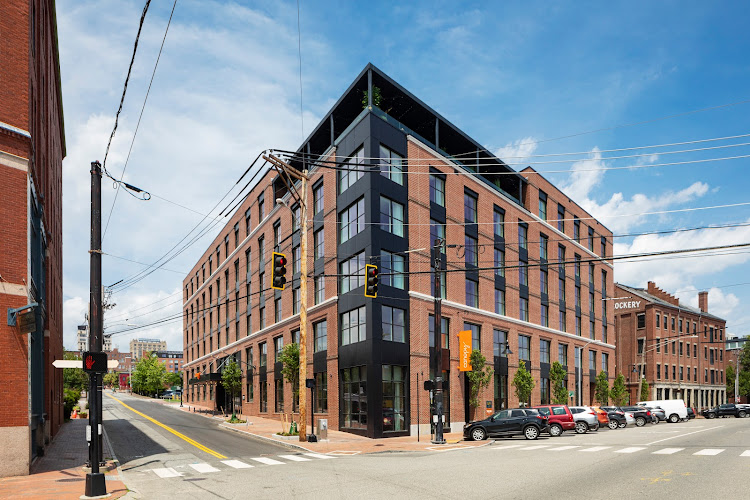
When planning your Portland travel guide or browsing verified attractions in Portland, pair this stop with standout local spots including Canopy by Hilton Portland Waterfront, Fort Gorges, Portland Head Light, and Spring Point Ledge Lighthouse (0.4 km away).