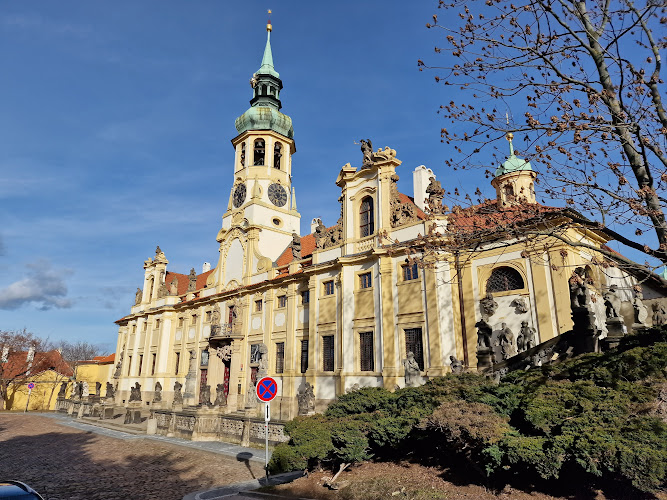
Lobkowicz Palace is the privately owned museum within Prague Castle where an aristocratic family collection turns broad European history into a remarkably personal visit. Its galleries bring together Old Master paintings, decorative arts, arms, ceramics, and musical manuscripts, with the palace’s Renaissance origins and Baroque remodeling forming part of the experience rather than merely a backdrop.
Set in Prague 1–Hradčany, high above the Lesser Town and woven into the castle complex, it rewards visitors who want more than a quick exterior circuit of Prague Castle. The collection follows the Lobkowicz family through patronage, confiscation, exile, and restitution, while the rooms move from intimate objects to works with major art-historical weight. It is a focused museum stop, but one with enough range to anchor a half-day in the Castle District.
Standout Highlights & What Not to Miss
The museum’s strongest appeal is the way its headline works are embedded in a family story. Take the gallery sequence in order rather than treating it as a short checklist: the paintings, objects, and scores gain force as the narrative shifts between court culture, war, political upheaval, and artistic patronage. The included family-narrated audio guide, offered in 12 languages, is especially useful for connecting the displays to the people who collected, protected, lost, and recovered them.
- Pieter Bruegel the Elder’s Haymaking: Painted in 1565, this expansive summer scene is the collection’s essential canvas. Pause for the tiny working figures, the depth of the landscape, and the contrast between everyday rural labor and the palace setting.
- Canaletto’s views: The paintings of London offer a different kind of spectacle—river traffic, urban ceremony, and architecture rendered with precise theatrical clarity. They make an effective counterpoint to Bruegel’s countryside.
- Beethoven and Mozart material: The music rooms illuminate the Lobkowicz family’s role as patrons, particularly that of the seventh Prince Lobkowitz. Look closely at musical documents associated with Beethoven, including material bearing annotations.
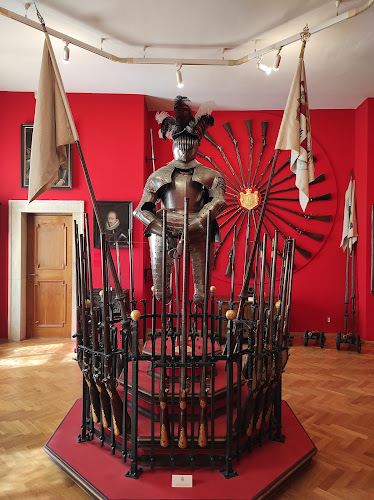
- The 22-gallery route: Portraits, armor, firearms, ceramics, and decorative arts prevent the museum from becoming painting-only. The variety also gives non-specialists regular visual changes between denser historical sections.
- Baroque ceremonial spaces and concerts: The palace interiors are worth noticing in their own right. A classical concert in the Baroque Concert Hall is a distinct experience from the daytime museum visit, so treat it as an optional addition rather than an assumed part of admission.
Visitor Strategy & Planning Snapshot
| Planning Factor | What to Expect | Practical Strategy |
|---|---|---|
| Ideal Arrival Window | Castle-area foot traffic can build as sightseeing groups arrive, especially in busy travel periods. | Make the palace an early museum stop or enter after a major castle sight has drawn crowds elsewhere. Leave margin for the walk through the complex. |
| Typical Time Needed | Most visitors need about 1.5 to 2 hours for the galleries and audio-guide highlights. | Allow the full two hours if Bruegel, Canaletto, or Beethoven interests you; a hurried pass misses the collection’s narrative thread. |
| Booking / Queue Reality | The museum and concerts are separate experiences, and demand can vary with season and programming. | Confirm current admission and concert arrangements before setting a fixed itinerary, particularly if a performance is central to your plans. |
| Terrain & Accessibility | The palace has lift access, but approaches through Prague Castle involve cobblestones and stairs. | Visitors needing step-free access should contact staff in advance to coordinate the accessible entrance route and allow extra arrival time. |
| Weather / Seasonal Fit | It is an indoor cultural stop, though reaching it still means navigating the exposed Castle District. | Use it to break up a cold, rainy, or very hot castle day; in pleasant weather, pair it with a slower exterior walk before or after. |
Honest Trade-Offs: Best For vs. Who Might Skip
This is an excellent choice for Old Master enthusiasts, Classical music lovers, European-history travelers, and anyone exploring Prague Castle with time for a substantive indoor museum. It is also unusually rewarding for visitors who appreciate context: the family’s account of dispossession and return gives the displays more emotional texture than a conventional palace tour. On the other hand, travelers seeking only the castle’s landmark architecture, panoramic views, or a fast introduction to Prague may find the gallery depth more than they need. Young children or visitors with little interest in art, objects, and listening-based interpretation may move through quickly. The palace is not a substitute for the cathedral, royal spaces, or gardens; it is the best fit when you want a quieter, collection-led counterweight to those headline sights.
Neighborhood Context & How to Pair Your Visit
Plan Lobkowicz Palace as part of a walkable Hradčany circuit rather than an isolated detour. Begin within Prague Castle, then use the museum as a deliberate pause between exterior landmarks and the lanes leading toward the Lesser Town. The palace café and restaurant can be useful for a break, while a concert can turn the same district into an evening destination. For the most balanced day, avoid trying to absorb every castle attraction at once: choose one or two major castle sights, give the museum its unhurried 1.5 to 2 hours, and save the downhill walk toward Malá Strana for afterward. That sequence lets the collection’s views of power, patronage, and Prague’s wider European connections linger beyond the galleries.
When planning your Prague travel guide or comparing verified attractions and museums in Prague, pair this stop with standout local spots including Hilton Prague, The Vrtba Garden, Czech Slovak Restaurant, and Ledeburská zahrada (nearby).