Museum of Fantastic Illusions is a hands-on optical-illusion attraction in Prague’s New Town, built around the moment a carefully framed photograph turns an ordinary pose into an improbable scene. Created by Czech magician Pavel Kožíšek, it brings together more than 150 interactive displays: painted backdrops, forced-perspective sets, oversized furniture, altered-scale rooms, and comic visual tricks designed to put visitors inside the picture rather than behind a glass case.
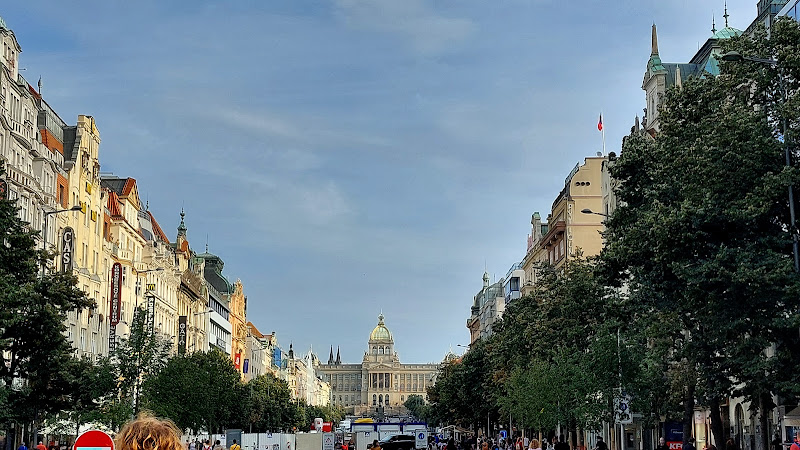
The museum sits in the busy central fabric of Nové Město, close to the commercial streets and historic energy around Wenceslas Square. It is an easy diversion between larger Prague sights, particularly for travelers who want an indoor activity with a light, social rhythm. The experience is less about reading labels or following a scholarly narrative than collaborating with companions, finding the marked camera angle, and reviewing the result on a phone screen.
Standout Highlights & What Not to Miss
This is a camera-first museum, and the strongest results usually come when one person photographs while another performs. Resist the urge to race through every room. Each illusion depends on a particular viewpoint, so use the floor markers and posted guidance, take a test shot, then adjust your height or distance before moving on. A slightly lower camera or a more committed pose can make the difference between a confusing image and a convincing souvenir.
- King Kong scene: A large-scale encounter built for dramatic, playful photographs. Let the designated viewpoint do the visual work, and try both exaggerated reactions and a calmer “caught in the moment” pose.
- Giant chair illusion: This familiar forced-perspective setup changes apparent scale, making an adult seem tiny or a child seem enormous. It is especially effective for family groups and friends willing to swap roles.
- Head-on-a-platter installation: A delightfully theatrical trick that rewards precise positioning. Check the frame before taking multiple photos; small shifts can reveal too much of the construction.
- Upside-down rooms: These settings invite visitors to pose as though gravity has changed direction. Clothing, hair, facial expression, and a willing photographer all help sell the effect.
- Interactive illusion paintings: Look for scenes where your body completes the story. They are a good option when major installations are occupied, and they often work well for quick portraits.
Visitor Strategy & Planning Snapshot
Think of the visit as a compact photo session rather than a conventional museum circuit. Flexibility is useful: popular scenes can briefly bottleneck, but there is no need to wait at every one when other rooms are open.
| Planning Factor | What to Expect | Practical Strategy |
|---|---|---|
| Ideal Arrival Window | Photo-focused indoor attractions tend to feel most comfortable before the busiest sightseeing periods or later in the day. | Arrive early if clean, unhurried photos matter; otherwise, be ready to circle back to occupied displays. |
| Typical Time Needed | Most visitors need about 60 to 90 minutes, depending on group size and the number of retakes. | Allow extra time for children, larger groups, or anyone determined to photograph nearly every scene. |
| Booking / Queue Reality | Demand can concentrate at popular times, and individual installations may have short informal waits. | Check current admission arrangements before setting out and avoid treating a tight reservation gap as your only chance to visit. |
| Terrain & Accessibility | The upper-floor layout includes standing, crouching, and posed photo setups; some scenes require physical flexibility. | Contact the museum in advance about step-free access and accessible toilet arrangements, especially if these are essential to your visit. |
| Weather / Seasonal Fit | It is a useful all-weather stop, with particular appeal during rain, cold, or a mid-afternoon break from outdoor sightseeing. | Pair it with nearby streets, cafés, or shops, then use the museum as a sheltered reset rather than an all-day destination. |
Honest Trade-Offs: Best For vs. Who Might Skip
The museum is best for families with school-age children, smartphone photographers, groups of friends, and visitors who enjoy stage-magic logic. It gives people a shared task, and the images remain useful long after the visit. It also works well for travelers who have already seen Prague’s grand architecture and want something deliberately silly and low-pressure. On the other hand, art-museum regulars seeking original masterpieces, deep historical interpretation, or long-form cultural context may find it slight. Solo visitors can still enjoy it, but the format is markedly better with a companion who can operate the camera. Travelers with limited mobility should also plan carefully because some of the most effective poses involve crouching, bending, or navigating an upper-floor setting.
Neighborhood Context & How to Pair Your Visit
New Town makes this an easy addition to a central Prague walking day. Start around Wenceslas Square, explore the surrounding streets at your own pace, and use the museum as a lively indoor interlude before continuing toward other central districts. It pairs naturally with a café stop, browsing in the nearby shopping passages, or an evening wander once the streets are lit up. Keep the schedule loose: the attraction itself is compact, but a group absorbed in retaking photos can take longer than expected. For the smoothest outing, designate one person as photographer for a few rooms, then switch, rather than trying to capture every participant in every setup.
When planning your Prague travel guide or browsing verified museums in Prague, pair this stop with standout local spots including Divoká Šárka, Lehká hlava – vegetarian restaurant, Karel Zeman Museum, and Pasáž Světozor (nearby).