Editorial disclosure: This destinations.ai guide was prepared with AI assistance and checked against the official sources linked below. Some hotel and tour links on this page may earn an affiliate commission at no extra cost to you; our editorial recommendations remain independent.
Overview: Why Visit Quebec City
Quebec City, the romantic French-speaking capital of the Canadian province of Quebec perched on the rocky promontory of Cap Diamant above the St. Lawrence River, is the closest experience to historic Europe in North America. Founded in 1608 by French explorer Samuel de Champlain, Old Quebec (Vieux-Québec) holds the distinction of being the only preserved walled city north of Mexico, earning it a prestigious designation as a UNESCO World Heritage treasure.
Quick Trip-Planning Snapshot
Quebec City rewards three to four nights: enough to walk the fortified Old Town, ride the funicular, cross to Lévis by ferry, and still reach Montmorency Falls or Île d’Orléans. The core is compact and best done on foot, so a car is more burden than help unless you are heading out to Charlevoix or the Beaupré coast. Book lodging two to three months ahead for June to August, the fall-foliage weeks, and Winter Carnival (late January into February), and reserve top Lower Town dinners a week or more out.
- Best Base for First-Timers: Vieux-Québec, inside the walls, with Basse-Ville (Lower Town and Petit Champlain) as the pick if dining is your priority. You can walk to nearly every headline sight, which matters in winter.
- Getting Around: Walk the old city and use the Old Quebec funicular and stairways between Upper and Lower Town. RTC buses cover Saint-Roch, Montcalm, and the airport link, and the Quebec-Lévis ferry is a cheap way to see the skyline from the St. Lawrence.
- Peak vs. Value Windows: Peak runs late June through August, early-to-mid October foliage, and Carnaval weekends. Value windows are May, early June, November, and non-Carnaval weeks of winter, when rates drop noticeably.
- Top Insider Tip: Stay in Saint-Roch or Montcalm and walk or bus into the old city for cheaper rooms and better local dining, but if you come for Carnaval, sleep in Old Quebec or Montcalm so the walk back after night events is short in deep cold.
Divided into the fortified Upper Town (Haute-Ville) and the historic Lower Town (Basse-Ville), Quebec City transports travelers through 400 years of living French-Canadian heritage—home to the towering fairytale turrets of the Fairmont Le Château Frontenac (the most photographed hotel in the world), the enchanting pedestrian lanes of Quartier Petit Champlain, and a world-class culinary scene blending French classical technique with rich boreal ingredients.
Best Time to Visit Quebec City
Quick answer: Summer (June to August): The most energetic and popular travel season. Daytime temperatures average a pleasant 21°C to 26°C (70°F to 79°F). European-style sidewalk café terraces overflow with patrons, street musicians perform along the cobblestones, and the city hosts the massive 11-day Festival d’été de Québec (FEQ) on the Plains of Abraham.
- Summer (June to August): The most energetic and popular travel season. Daytime temperatures average a pleasant 21°C to 26°C (70°F to 79°F). European-style sidewalk café terraces overflow with patrons, street musicians perform along the cobblestones, and the city hosts the massive 11-day Festival d’été de Québec (FEQ) on the Plains of Abraham.
- Autumn (Mid-September to October): A magical season when brilliant scarlet, amber, and golden maple foliage blankets the Laurentian Mountains and the St. Lawrence River valley. Temperatures are crisp and refreshing (11°C to 17°C / 52°F to 63°F). Ideal for touring apple orchards and cideries on Île d’Orléans.
- Winter (December to March): Quebec City becomes a real-world winter fairytale. Snow-covered copper roofs glisten under warm holiday lights, the German Christmas Market fills the Upper Town squares, and late January brings the world-famous Carnaval de Québec (Quebec Winter Carnival)—complete with ice sculptures, night parades with mascot Bonhomme, night toboggan runs, and the stunning Hôtel de Glace (Ice Hotel).
- Spring (April to May): The traditional sugar shack season (temps des sucres). Experience authentic maple syrup harvesting and feasts at traditional rustic cabanes à sucre in the surrounding countryside, with quiet cobblestone streets and budget-friendly hotel rates in the city.
Key Historic Districts & Major Sights
Quick answer: Château Frontenac & Terrasse Dufferin: The undisputed architectural crown of Quebec City. Tour the lavish Gilded Age salons of this 1893 historic castle hotel. Stroll the wide wooden boardwalk of Terrasse Dufferin overlooking the St. Lawrence River, and ride the historic 1884 wooden toboggan slide reaching speeds of 70 km/h in winter.
- Château Frontenac & Terrasse Dufferin: The undisputed architectural crown of Quebec City. Tour the lavish Gilded Age salons of this 1893 historic castle hotel. Stroll the wide wooden boardwalk of Terrasse Dufferin overlooking the St. Lawrence River, and ride the historic 1884 wooden toboggan slide reaching speeds of 70 km/h in winter.
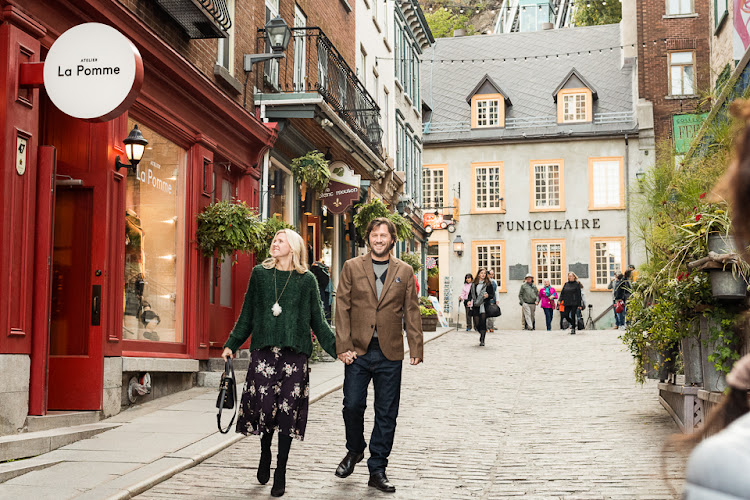
- Quartier Petit Champlain & Place Royale: Descend the 1879 Old Quebec Funicular (or the steep 1635 Breakneck Stairs / Escalier Casse-Cou) into North America’s oldest commercial district. Wander picturesque cobblestone pedestrian streets filled with artisan boutiques, French bistros, and the trompe-l’œil Fresque des Québécois mural. Visit Place Royale and the 1688 stone Notre-Dame-des-Victoires Church, North America’s oldest stone church.
- The Fortifications of Quebec & The Citadelle: Walk 4.6 kilometers of intact 17th-century defensive stone ramparts, battlements, and historic gates (Porte Saint-Louis and Porte Saint-Jean). Tour the star-shaped La Citadelle de Québec, an active military fortress of the Royal 22e Régiment featuring summer Changing of the Guard ceremonies.
- Plains of Abraham (The Battlefields Park): A magnificent 240-acre rolling urban park on the clifftops where the historic 1759 Battle of Quebec took place between French and British forces. Enjoy walking and cross-country ski trails with sweeping panoramic views of the St. Lawrence River.
- Montmorency Falls (Parc de la Chute-Montmorency): Located just 15 minutes east of Old Quebec. A breathtaking 83-meter (272-foot) waterfall—a full 30 meters higher than Niagara Falls. Cross the suspension bridge directly over the thundering crest, ride the panoramic cable car, or hike the 487-step cliffside panoramic staircase.
- Île d’Orléans: A pastoral agricultural island across the bridge in the St. Lawrence River. Known as the “Garden of Quebec,” it is celebrated for centuries-old ancestral stone farmhouses, artisan cideries, blackcurrant distilleries (Cassis Monna & Filles), and artisanal cheese dairies.
Suggested 3-Day Quebec City Itinerary
Quick answer: Day 1: Fortified Upper Town, Château Frontenac & The Citadelle. Stroll the wooden boards of Terrasse Dufferin and tour Château Frontenac in the morning. Walk along the historic stone ramparts and tour La Citadelle. In the afternoon, explore the grand neoclassical interior of Notre-Dame de Québec Cathedral-Basilica. End with a romantic French bistro dinner along Rue Saint-Jean.
- Day 1: Fortified Upper Town, Château Frontenac & The Citadelle. Stroll the wooden boards of Terrasse Dufferin and tour Château Frontenac in the morning. Walk along the historic stone ramparts and tour La Citadelle. In the afternoon, explore the grand neoclassical interior of Notre-Dame de Québec Cathedral-Basilica. End with a romantic French bistro dinner along Rue Saint-Jean.
- Day 2: Quartier Petit Champlain, Place Royale & St. Lawrence River. Take the funicular down to the Lower Town. Explore the artisan boutiques and galleries of Quartier Petit Champlain. Visit Place Royale and the Musée de la civilisation. In the afternoon, board the Quebec City-Lévis passenger ferry for the classic postcard panoramic view of the skyline from the water, dining on authentic Québécois fondue and poutine.
- Day 3: Montmorency Falls & Pastoral Île d’Orléans. Drive 15 minutes to Montmorency Falls in the morning, walking across the suspension bridge over the roaring cataract. Continue across the bridge to Île d’Orléans for an afternoon of artisanal food tastings: artisan cheese, maple delicacies, and sparkling ice cider. Return to the city for a farewell dinner in a converted stone vaulted cellar.
Authentic Québécois Gastronomy
Quick answer: Authentic Québécois Poutine: Golden, crispy thick-cut french fries topped with fresh, squeaky cheddar cheese curds and smothered in piping-hot, rich brown beef-and-poultry gravy. (Classic versions at Chez Ashton or upscale duck confit poutine at local bistros).
- Authentic Québécois Poutine: Golden, crispy thick-cut french fries topped with fresh, squeaky cheddar cheese curds and smothered in piping-hot, rich brown beef-and-poultry gravy. (Classic versions at Chez Ashton or upscale duck confit poutine at local bistros).
- Traditional Tourtière: A beloved French-Canadian heritage spiced meat pie filled with minced pork, beef, or wild game, seasoned with cinnamon, clove, allspice, and savory herbs, served with homemade green tomato chow-chow.
- French Onion Soup (Soupe à l’Oignon Gratinée): Rich, slow-caramelized onion broth simmered with beef stock, topped with crusty French baguette croutons and a thick, bubbling crust of melted Gruyère cheese.
- Maple Delicacies & Sugar Shack Treats: Hot boiled pure maple syrup poured directly onto fresh clean snow and rolled onto a wooden stick (Tire sur la neige / Maple Taffy), sweet maple sugar tarts (Tarte au Sucre), and crisp beaver tails.
- Ice Cider (Cidre de Glace): A world-class dessert wine pioneered in Quebec, produced by pressing naturally freeze-concentrated winter apples, delivering intense apple aroma and balanced sweetness.
Practical Travel Tips, Transit & Budget
Seasonal Timing, Crowd & Pacing Matrix
| Season / Months | Weather & Crowd Reality | Standout Experiences | Planning Strategy |
|---|---|---|---|
| Summer (June to August) | Warm, occasionally humid days with long light; the busiest and priciest period, with cruise-ship surges in the old city | Terrace dining, Plains of Abraham, Montmorency Falls, Île d’Orléans farm stops, summer festivals | Book lodging early, visit the Citadelle and Old Town sights in the morning, and save evenings for terraces and the boardwalk |
| Autumn (September to October) | Crisp and cooler, with strong demand during peak foliage weekends; September is calmer than October | Fall color around Montmorency and Île d’Orléans, harvest produce, cider and cheese stops | Target weekdays, pack layers, and book a car or tour for day trips if you want foliage outside the city |
| Winter (December to March) | Cold to very cold, with snow and wind chill that can drop well below freezing; festive crowds peak during Winter Carnival | Winter Carnival, Christmas markets and lights, ice-skating, tobogganing, cozy cafés and Nordic spa time | Stay inside the walls, use proper boots and layers, and plan short outdoor blocks with indoor warm-up stops |
| Spring (April to May) | Cool and variable, with slush early and mud season; the quietest and best-value window | Sugar-shack meals nearby, uncrowded museums and churches, early patios as the weather turns | Pack waterproof footwear, expect some seasonal closures, and use this window for the lowest rates |
Most visitors arrive at Jean Lesage International Airport (YQB), about 20 to 30 minutes from downtown by taxi or rideshare, with RTC bus service as the budget option. Via Rail trains from Montreal and Ottawa arrive at Gare du Palais in Basse-Ville, a short walk or ride from Old Quebec, and Gare de Sainte-Foy serves the western suburbs. Once in town, walk the old city, use the funicular and stairways between levels, and rely on RTC buses for Saint-Roch, Montcalm and farther areas. Rent a car only for Charlevoix, Île d’Orléans or Montmorency Falls day trips, and remember that parking in Old Quebec is scarce and costly.
Quick answer: Language & Culture: French is the official language of Quebec. While hospitality staff, shopkeepers, and restaurant servers in tourist areas speak fluent English, greeting locals with a polite “Bonjour!” (Hello) and “Merci!” (Thank you) is warmly appreciated.
- Language & Culture: French is the official language of Quebec. While hospitality staff, shopkeepers, and restaurant servers in tourist areas speak fluent English, greeting locals with a polite “Bonjour!” (Hello) and “Merci!” (Thank you) is warmly appreciated.
- Walkability & Topography: Old Quebec is exceptionally pedestrian-friendly, but involves steep inclines and cobblestones between the Upper and Lower Towns. Wear sturdy, comfortable walking shoes. The Old Quebec Funicular connects Terrasse Dufferin with Quartier Petit Champlain in seconds ($5 CAD per ride).
- Daily Budget Breakdown:
- Budget traveler: compare current low-cost lodging, meals, and transport before booking (hostel dorm or budget inn, bakery breakfasts, classic poutine and crêperie lunches, walking tours, public bus transit).
- Mid-range traveler: allow for a comfortable hotel, paid attractions, and meals, then check current rates (3-star or 4-star boutique heritage hotel in Old Quebec, sit-down bistro dinners with wine, museum passes, Montmorency Falls cable car).
- Luxury traveler: allow for premium lodging, private activities, and higher-end dining after checking current rates (5-star luxury stays at Fairmont Le Château Frontenac or Auberge Saint-Antoine, multi-course culinary tasting menus, private historical guides).
Frequently Asked Questions
Do I need a passport to visit Quebec City from the United States?
Yes. International travelers entering Canada by air, land, or cruise must present a valid passport. U.S. citizens arriving by air require a passport; visa-exempt international travelers from other countries require an approved Electronic Travel Authorization (eTA).
How far is Montmorency Falls from downtown Quebec City?
Parc de la Chute-Montmorency is located approximately 12 kilometers (7.5 miles) east of downtown Quebec City. The drive takes about 15 minutes by car or taxi, or roughly 30 minutes via public transit on RTC Bus Route 800.
How cold does Quebec City get during the Winter Carnival?
Winter temperatures in January and February typically range between -8°C and -18°C (17°F to 0°F), with occasional sub-zero drops. Dressing in warm thermal base layers, an insulated winter coat, waterproof boots, a fleece-lined hat, and insulated mittens ensures complete comfort while enjoying outdoor winter festivities.
Affiliate placeholder: Compare accommodation options after checking the official property details, location, and cancellation terms.
Affiliate placeholder: Check current activity availability, meeting points, accessibility, and cancellation terms before reserving.
Sources and current planning links
Explore more destinations.ai travel guides when building a longer route.
For a longer regional route, compare New York, Chicago, Washington, D.C., Toronto, Miami with this destination before finalizing your itinerary.
Explore Quebec City by Category: Discover top curated spots across Quebec City Attractions & Sightseeing, Best Places to Stay in Quebec City, Quebec City Restaurants & Dining, Quebec City Wedding venue, Quebec City Nightlife, Quebec City Museums, Quebec City Shopping, Quebec City Parks, Quebec City City park, Quebec City Gift shop, Quebec City Canadian restaurant, Quebec City French restaurant, Quebec City Steak house, Quebec City Wine bar, Quebec City Hamburger restaurant, Quebec City History museum.
Where to Stay: Neighborhood Trade-Off Matrix
Neighborhood / Area Best For Vibe & Walkability Key Trade-Off Haute-Ville (Upper Old Quebec) First-timers, Carnaval, short stays Ramparts, Château Frontenac, Citadelle; cobbled, hilly, and fully walkable Highest prices, crowds and street noise in peak season Basse-Ville (Petit Champlain & Old Port) Food-focused couples, romantic weekends Dense with bistros, boutiques and ferry access; very walkable but steep to reach Upper Town Tourist-heavy, with stairs or the funicular needed to move up and down Saint-Jean-Baptiste Budget travelers who want character Local cafés and bars just outside the walls; easy walk to the old city Fewer big hotels, more small inns and rentals Saint-Roch Younger travelers, nightlife, independent restaurants Reinvented creative district; walkable internally, about 15 to 25 minutes on foot or a short bus ride to the old city Less postcard charm and a steady climb or bus ride to Upper Town Montcalm / Grande Allée Museum visitors, Plains of Abraham, longer stays Grand residential avenue with terraces and nightlife; walkable to the walls Lively Grande Allée can be loud on summer weekends; fewer lodging choices Limoilou / Beauport Value seekers, repeat visitors Local neighborhoods with markets and bakeries; bus-dependent Longer commutes and thinner evening options for visitors Choose by trip purpose first and budget second. If this is your first visit or you are coming in deep winter, pay the premium for Vieux-Québec so every sight is a short walk. If dining drives your plans, Basse-Ville puts you closest to the best tables. For better value with real neighborhood life, pick Saint-Jean-Baptiste or Saint-Roch, and use Montcalm when you want a quieter residential feel next to the Plains of Abraham.
Explore Quebec City by Category
- Attractions in Quebec City (55)
- Hotels in Quebec City (20)
- Shopping in Quebec City (18)
- Restaurants in Quebec City (17)
- Museums in Quebec City (15)
- Parks in Quebec City (15)
- City park in Quebec City (9)
- Bistro in Quebec City (6)
- French restaurant in Quebec City (5)
- Nightlife in Quebec City (5)
- Gift shop in Quebec City (4)
- History museum in Quebec City (4)
- Steak house in Quebec City (4)
- Wedding venue in Quebec City (4)
- Canadian restaurant in Quebec City (3)
- Hamburger restaurant in Quebec City (3)
- Wine bar in Quebec City (3)
Top Verified Places in Quebec City
- Montmorency Falls (4.7★ · 30,490)
- Fairmont Le Château Frontenac (4.7★ · 23,188)
- Galeries de la Capitale (4.4★ · 16,518)
- Chez Boulay-bistro boréal (4.7★ · 2,568)
- The Citadelle of Québec (4.6★ · 8,228)
- Plains of Abraham (4.7★ · 8,203)
- Esplanade Park (4.5★ · 1,058)
- Ciel! Bistro-bar (4.6★ · 3,490)
- Le Lapin Sauté (4.6★ · 2,758)
- Parc de la Chute-Montmorency (4.7★ · 1,174)
- The Plains of Abraham Museum (4.4★ · 1,237)
- Aux Anciens Canadiens (4.4★ · 2,803)
- Restaurant La Buche (4.5★ · 5,222)
- Le Chic Shack (4.2★ · 3,394)
- Hilton Quebec (4.3★ · 4,531)
- Laurier Quebec (4.5★ · 12,810)
- Museum of Civilization (4.5★ · 6,930)
- The Battlefields Park (4.7★ · 4,073)
- Place d'Armes (4.6★ · 865)
- Les Trois Garçons (4.3★ · 2,793)
- Cochon Dingue Champlain (4.4★ · 3,565)
- 1640 Bistro (4.4★ · 1,947)
- La Maison Darlington (4.7★ · 24)
- Musée huron-wendat (4.4★ · 385)