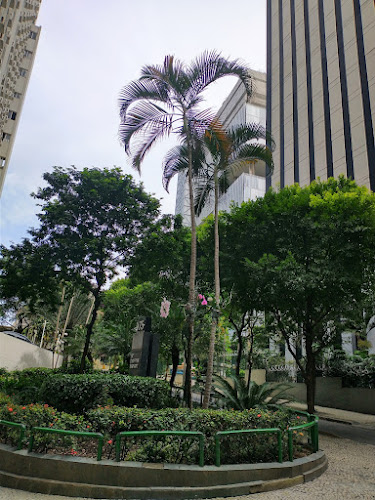
Parque Estadual da Chacrinha is a compact but striking pocket of Atlantic Forest on the slopes of Morro de São João, set improbably close to the towers, shops and beach traffic of Copacabana. It is not a manicured beachfront park: this is a shady, uphill urban forest reserve where roots, stone steps, vines and birdsong quickly replace the rhythm of the avenue.
For visitors staying in Rio’s Zona Sul, the park offers a rare change of scale. The entrance is a short walk from Copacabana Beach, yet the trails lead into secondary forest with historical remnants, resident marmosets and occasional openings toward the surrounding city. Its appeal lies in that contrast: a modest hike that feels distinctly removed from one of Brazil’s busiest neighborhoods.
Standout Highlights & What Not to Miss
Come with realistic expectations: Chacrinha is best approached as a short nature-and-viewpoint outing, not an all-day wilderness trek. The main pleasure is moving gradually from urban Copacabana into an enclosed Atlantic Forest landscape, then earning a broader perspective from higher ground. Pause rather than rush; wildlife and small details are easier to notice when the group keeps voices low.
- Morro de São João climb: The signature route rises through the reserve toward the hilltop. The ascent is the visit’s most physical element and its principal reward is the elevated sense of place above Copacabana.
- Atlantic Forest canopy: Tall trees, climbing plants and bromeliad-rich vegetation create a cooler, shaded corridor. This is particularly welcome after time on the exposed beach or surrounding pavements.
- Marmoset and bird watching: Keep your eyes on branches and listen for calls. Marmosets and urban-forest birdlife are among the park’s memorable encounters; observe from a distance and never feed wildlife.
- Historic stonework and ruins: Look beyond the trail itself for remnants of earlier use on the hillside. They add texture to a walk otherwise defined by vegetation and terrain.
- Viewpoint moments: Where the forest thins, pause for rooftop, coastline and neighboring-hill views. Conditions, vegetation and access can affect exactly what is visible, so treat the panorama as a bonus rather than a guaranteed postcard shot.
Visitor Strategy & Planning Snapshot
| Planning Factor | What to Expect | Practical Strategy |
|---|---|---|
| Ideal Arrival Window | Quieter conditions, cooler air and more active wildlife are generally likelier earlier in the day. | Make it an early stop before the beach, and confirm access conditions on the day you go. |
| Typical Time Needed | Most visitors can experience the forest, climb and pauses for views in about 1 to 2 hours. | Allow extra time for a slow wildlife watch, photos and rest breaks on the uphill sections. |
| Booking / Queue Reality | This is a small public nature reserve rather than a heavily programmed attraction; access arrangements can change. | Check current visitor guidance before setting out, especially on weekends, holidays or after severe weather. |
| Terrain & Accessibility | Expect steps, slopes, uneven ground and potentially slick surfaces. The summit climb is not suitable for wheelchairs or strollers. | Wear closed, grippy footwear; use caution after rain and choose a lower-key visit if steep walking is not comfortable. |
| Weather / Seasonal Fit | Forest shade softens heat, but Rio rain can make the trail muddy and slippery; humidity is a year-round consideration. | Carry water, insect repellent and rain protection as appropriate, and postpone the climb in unsafe weather. |
Honest Trade-Offs: Best For vs. Who Might Skip
This park is an excellent fit for hikers who want a compact workout, nature lovers wanting Atlantic Forest without leaving the city, and history-minded visitors who enjoy finding traces of a hillside’s past. Wildlife watchers who are patient and quiet also have a better reason to visit than travelers seeking a rapid checklist stop. It is less compelling for anyone expecting polished gardens, broad paved promenades, extensive facilities or a guaranteed uninterrupted panorama. The small scale is a strength, but it also means there is limited variety once the main trail experience is complete. Visitors with reduced mobility, very young children in strollers, or a strong aversion to uneven and steep surfaces should skip the summit route and consider Copacabana’s flatter public spaces instead.
Neighborhood Context & How to Pair Your Visit
Chacrinha works best as a green interlude in a walkable Copacabana day. Start with the forest while your energy is high, then descend toward the beach for a swim, a promenade walk or a relaxed meal in the neighborhood. Its position also makes it easy to continue by foot through Copacabana’s dense streets, where kiosks, cafés and everyday Rio life provide a sharp counterpoint to the quiet canopy. Pack a change of shirt if you plan to head straight to lunch after the climb, keep valuables discreet as you would elsewhere in the city, and leave enough flexibility in the itinerary for weather. The most satisfying pairing is simple: forest first, ocean afterward, with the hilltop perspective making the beachscape feel newly connected to the landscape behind it.
When planning your Rio de Janeiro travel guide or comparing verified attractions and parks in Rio de Janeiro, pair this stop with standout local spots including Morro da Urca, Museu da Chácara do Céu, Santa Teresa, and Churrascaria Palace (0.5 km away).