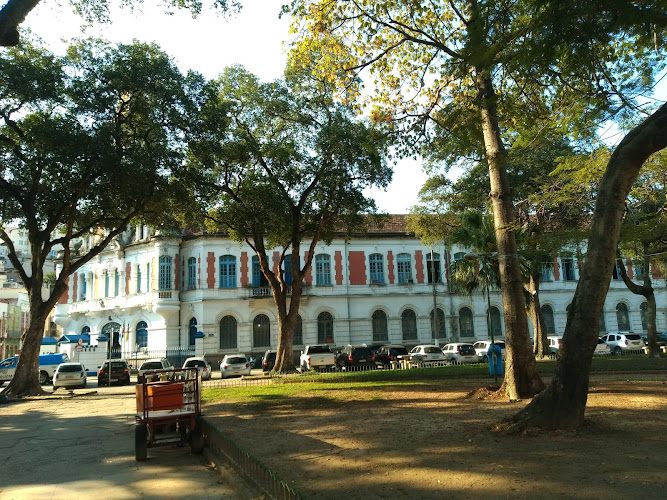
Oi Futuro Flamengo, now operating under the name Petrobras Futuros – Arte e Tecnologia, is a contemporary art-and-technology cultural center at R. Dois de Dezembro, 63, in the Flamengo neighborhood of Rio de Janeiro. Installed in a converted 1930s telephone exchange building near Flamengo Park, it combines rotating gallery exhibitions, the interactive Musehum communications museum, a theater, an educational program and a top-floor café, and it draws travelers who want a free-spirited, hands-on cultural stop away from Rio’s beaches.
What to Expect at Oi Futuro Flamengo
The building began life as a telephone exchange, and the institution grew out of the cultural arm of the telecommunications company that once occupied it. That lineage explains the center’s focus: how people communicate, and how technology shapes art. Visitors move between gallery floors that host contemporary photography, installation, video and multimedia work, many of them by Brazilian artists from Rio, Bahia and the wider country. The institution’s seasonal programming has recently paired a Zumví Arquivo Afro Fotográfico exhibition, Escrevendo com a Luz, with Priscila Rooxo’s De onde venho, which turns memories of the Baixada Fluminense into art.
The anchor attraction for families and tech enthusiasts is Musehum, a museum of communications that tells the story of telephony and media through interactive installations. A newer piece, Tudo é Comunicação, traces the history of communications in Brazil. Beyond the galleries, the Teatro Petrobras Futuros stages contemporary theater, including productions that use virtual reality, and the center runs artistic training programs such as Futuração: navegando brasis. The café on the top floor has long been a draw for its views over the neighborhood and Guanabara Bay.
- Musehum: An interactive communications museum covering the evolution of telephony and media, built for hands-on exploration by all ages.
- Rotating gallery exhibitions: Contemporary photography, installations and multimedia works from Brazilian artists, changing several times a year.
- Teatro Petrobras Futuros: A theater hosting plays, dance and experimental performances, some with virtual reality components.
- Programa Educativo: Workshops, school visits and children-focused events such as the Ocupação Criança educational station.
- Top-floor café: A relaxed rooftop-level spot for coffee and light bites with views of the surrounding neighborhood.
Oi Futuro Flamengo at a Glance
| Detail | Information |
|---|---|
| Address | R. Dois de Dezembro, 63, Flamengo, Rio de Janeiro – RJ, 22220-040 |
| Neighborhood / Area | Flamengo, South Zone (Zona Sul) |
| Operating Hours | Wednesday to Sunday 11 AM to 8 PM; closed Monday and Tuesday |
| Admission / Price Range | Tier $; check the official site for current ticket status and free-entry programs |
| Recommended Visit Duration | 1.5 to 2.5 hours |
| Nearest Transit / Parking | Flamengo Metro Station (Line 1), roughly 5 to 8 minutes on foot; street parking is limited |
| Official Website & Phone | futuros.org.br | +55 21 3131-3060 |
Visiting Tips, Getting There & Nearby Pairings
The center opens at 11 AM on Wednesday through Sunday, and arriving close to opening is the best way to move through the Musehum installations without queues of school groups, which are common on weekday mornings. Weekends are livelier, especially when children’s programs are running, so plan on weekday afternoons for quiet gallery time. The easiest way to arrive is the Rio Metro: get off at Flamengo Station on Line 1 and walk a few minutes toward Dois de Dezembro street. Rideshare drop-off is straightforward, while parking on nearby streets fills up quickly, so public transit or a taxi is the more reliable choice.
Contemporary cultural centers in Rio typically provide step-free entrances, elevators between floors and accessible restrooms, and the building’s redevelopment as an arts venue makes wheelchair and stroller navigation manageable between galleries; confirm specific needs with the venue by phone before your visit. After the galleries, walk to Flamengo Park (Aterro do Flamengo), the large waterfront green space designed by Roberto Burle Marx, about 10 minutes away. The Museu da República and the Palácio do Catete are also within a short walk, and the dining streets of Flamengo and nearby Botafogo offer plenty of options for a post-visit meal.
Frequently Asked Questions
What are the opening hours and best time to visit?
The center is open Wednesday to Sunday from 11 AM to 8 PM and closed on Monday and Tuesday. Weekday afternoons are generally calmest, while weekends see more families and event crowds.
Do I need to pay for admission or book tickets?
Pricing varies by exhibition and program, and the center has a history of low-cost or free-entry offerings and educational events. Check the official website at futuros.org.br for current ticket details and any required advance registration for special activities.
How much time should I budget?
Plan on 1.5 to 2.5 hours to see the current gallery exhibitions and spend time at the interactive Musehum. Add 30 to 45 minutes if you want to catch a theater performance or stop at the top-floor café.
Is it suitable for families and children?
Yes. Musehum’s interactive installations and the Programa Educativo’s children-focused events make it one of Rio’s more family-friendly cultural stops, and the compact multi-floor layout keeps visits manageable for younger visitors.
When planning your Rio de Janeiro travel guide or comparing verified museums and cultural center in Rio de Janeiro, pair this stop with standout local spots including Shopping Cidade Copacabana, Bosque da Barra, Praia de Ipanema, and Museu da República (Palácio do Catete) (0.5 km away).