Russian Ethnographic Museum is a museum of everyday life, clothing, crafts, and belief at 4/1 Inzhenernaya Street, 191011, beside Arts Square in central St Petersburg. Founded in 1902 under Nicholas II as the Russian Museum’s ethnographic department, it occupies a purpose-built Neoclassical building completed in 1913. Travelers come for regional costumes, reconstructed domestic settings, and objects that explain the cultural differences across Russia and neighboring territories.
What to Expect at Russian Ethnographic Museum
Architect Vasily Svinyin designed the building around the ceremonial Marble Hall, where pink Karelian marble columns and a sculptural frieze turn the museum’s subject into architecture. Public exhibitions opened in 1923; the institution became independent in 1934. Its holdings exceed 500,000 objects, although only a selection is displayed. Unlike the neighboring Russian Museum, this is not principally a fine-art collection: textiles, tools, household furnishings, ritual objects, and working clothing carry the story.
Permanent displays explore Russians and other Eastern Slavic peoples alongside communities of the Baltic, Caucasus, Central Asia, Siberia, and the Far East. Look closely at embroidery, headdresses, jewelry, and the different materials used for shelter and survival. Start with the Marble Hall, then follow one geographical sequence rather than rushing between regions. Floor plans, an audio-guide offering, and bookable excursions help structure the visit; arrange an English-language guided tour in advance rather than expecting one on arrival.
- Marble Hall: Monumental columns and pink stone make the central ceremonial space an architectural highlight.
- Russian regional dress: Compare embroidered shirts, festive garments, and elaborate women’s headdresses rather than treating national costume as one uniform style.
- Siberian and Far Eastern collections: Clothing, transport equipment, and household objects show adaptations to demanding environments.
- Caucasus and Central Asia displays: Metalwork, jewelry, carpets, and textiles reveal distinctive craft traditions and social identities.
- Changing exhibitions: “Weapons: Symbol, Amulet, Protection” runs September 19, 2026–February 28, 2027, adding a focused examination of objects beyond warfare.
Russian Ethnographic Museum at a Glance
| Detail | Information |
|---|---|
| Address | 4/1 Inzhenernaya Street, St Petersburg, Russia, 191011 |
| Neighborhood / Area | Arts Square; historic center, Tsentralny District |
| Operating Hours | Tuesday 10am–9pm; Wednesday–Sunday 10am–6pm; Monday closed. Check holiday schedules before traveling. |
| Admission / Price Range | Paid admission; $ budget tier. Check current ticket categories and exhibition coverage online. |
| Recommended Visit Duration | 2 to 3 hours |
| Nearest Transit / Parking | Gostiny Dvor, Metro Line 3; Nevsky Prospekt, Line 2. Paid central-city street parking; no visitor parking should be assumed. |
| Official Website & Phone | ethnomuseum.ru; +7 812 571-25-01 |
Visiting Tips, Getting There & Nearby Pairings
Arrive around 10am for an unhurried route, or use Tuesday’s extended opening for an evening visit. Purchase through the official ticket page, checking whether temporary exhibitions require separate admission. From Gostiny Dvor or Nevsky Prospekt, walk north along Mikhailovskaya Street toward Arts Square; allow roughly 10–15 minutes from the station exits. Driving adds parking uncertainty: use signed paid street spaces and check local restrictions before leaving the car.
The historic building has stairs between exhibition levels. Wheelchair users should consult the accessibility page and telephone ahead to arrange the entrance route and establish which galleries are reachable; stroller users should discuss the same route. Use the cloakroom for outerwear and check the visitor rules for bag restrictions and photography permissions before entering. Ask staff about souvenir sales and refreshment options rather than planning around a full café meal. Afterward, the Russian Museum’s Mikhailovsky Palace is about five minutes away, Mikhailovsky Garden about five to ten, and the Church of the Savior on Spilled Blood roughly ten to fifteen.
Frequently Asked Questions
What are the opening hours and best arrival time?
Regular hours are Tuesday 10am–9pm and Wednesday–Sunday 10am–6pm; Monday is closed. Arrive at opening for a full circuit, and check the official calendar for holiday changes.
Is admission free, and should I book?
Admission is paid, with different ticket categories and potential separate exhibition charges. Online purchase is convenient; guided excursions should be arranged ahead, especially when requesting a particular language.
How much time should I allow?
Budget two to three hours for the architecture and several regional displays. A focused 90-minute visit works if you select two collection areas and skip temporary exhibitions.
Is it suitable for families?
Costumes, domestic scenes, and transport objects give children concrete things to compare. The museum also runs a children’s ethnographic center and family programs; check dates, age guidance, and booking requirements before visiting.
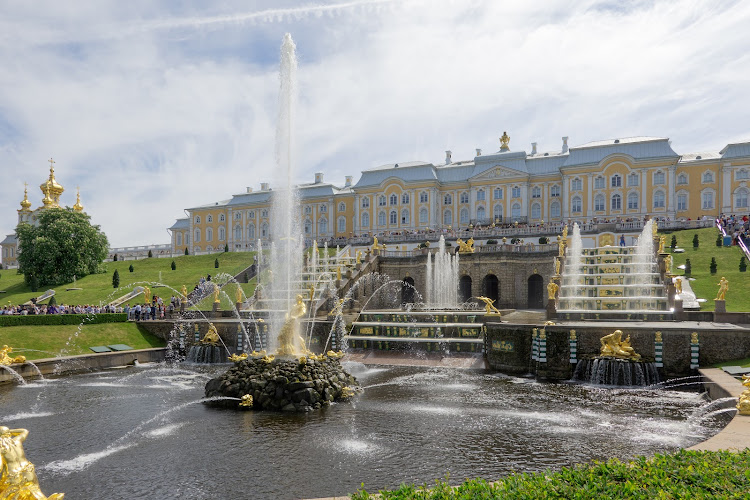
When planning your Saint Petersburg travel guide or comparing verified attractions and museums in Saint Petersburg, pair this stop with standout local spots including Saint Petersburg, Samson Fountain, Monument to Peter the Great, and The State Russian Museum, Mikhailovsky Palace (0.1 km away).