Editorial disclosure: This destinations.ai guide was prepared with AI assistance and checked against the official sources linked below. Accommodation and activity placeholders may use affiliate links; that does not change the planning advice.
Salt Lake City, Utah, sits between the Wasatch Mountains and the Great Salt Lake, giving you an unusually easy mix of walkable downtown sights, museums, neighborhood dining, canyon trails, and ski-country access. Its history as the headquarters of The Church of Jesus Christ of Latter-day Saints remains central to the cityscape, while its arts venues, food scene, and former Olympic sites show a broader, evolving capital city.
You can see Salt Lake City’s core landmarks in two days, then use a third day for Antelope Island, a canyon hike, or a ski-resort outing. The city rewards a flexible plan: spend your first day on foot downtown, reserve time for one museum, and leave a weather-dependent day open for the mountains or lake.
Key Takeaways
- Stay downtown for car-free access to major landmarks, dining, and transit.
- Plan one dedicated day beyond downtown for the lake, foothills, or Cottonwood Canyons.
- Book winter lodging and ski transport early when mountain conditions are strong.
Quick Answers and Trip Profile
Salt Lake City is worth visiting when you want a compact U.S. city break with serious access to mountains, culture, and distinctive Western history. You will find the main downtown attractions close together, with trailheads and ski areas reachable in far less time than from most major cities.
- Best for: Urban-outdoor weekends, skiing, family trips, architecture, museums, and Utah road-trip stopovers.
- Ideal length: Two full days for the city; three days for a lake, canyon, or Park City excursion.
- Closest airport: Salt Lake City International Airport, west of downtown.
- Best base: Downtown for first visits, Sugar House for neighborhood dining, or the University area for campus and museum access.
- Car needed? No for downtown and airport access; yes for Antelope Island, flexible canyon hiking, and many day trips.
You will be at elevation in the Salt Lake Valley, so drink water steadily, wear sun protection, and give yourself an easier first afternoon if you arrive from sea level. The city’s broad street grid is straightforward once you learn the downtown blocks, though walking distances can look shorter on a map than they feel in summer heat.
For current seasonal ideas, lodging options, and visitor services, use the official Salt Lake Visitors Guide alongside your own reservation confirmations.
Best Things to Do in Salt Lake City
Start with Temple Square and the surrounding downtown landmarks, then build your visit around a museum or mountain-view outing. The area remains the city’s most recognizable historic district, and it is an easy walk from hotels, City Creek Center, and many restaurants.
- Temple Square: See the historic religious and civic heart of Salt Lake City. Construction and access arrangements can change, so confirm what is open before you go. Visitor centers provide useful context on the site, pioneer settlement, and local faith traditions.
- Utah State Capitol: Walk or drive up Capitol Hill for city and mountain views. Pair it with nearby Memory Grove Park if you want a quieter outdoor stop after downtown crowds.
- Natural History Museum of Utah: Choose this for geology, paleontology, Indigenous histories, and an approachable introduction to Utah’s landscapes. You should reserve timed admission when the museum requests it and check current hours before traveling.
- Utah Museum of Fine Arts: Visit near the University of Utah for global collections and rotating exhibitions. It works especially well on a hot, smoky, or snowy afternoon.
- Clark Planetarium: Add this downtown stop when you want a concise, family-friendly indoor activity near The Gateway.
- City Creek Center: Browse shops, restaurants, and the landscaped pedestrian areas near Temple Square. It is a convenient place for a meal break during a downtown walking day.
For an evening plan, look for a Utah Jazz game, concert, ballet, opera, or touring production. Salt Lake City has a strong performing-arts calendar, and the downtown venues make dinner-and-show planning easy. Check event dates early, especially around conventions and ski weekends.
If you want a concise list shaped by local perspective, the official tourism office’s guide to Salt Lake attractions connects downtown sights with trails, galleries, lake outings, and nightlife.
History, Culture, and Local Character
Salt Lake City’s character begins with its 1847 settlement by Latter-day Saint pioneers and continues through immigration, railroad development, mining wealth, higher education, and the 2002 Winter Olympics. You will get more from the city when you treat Temple Square as both an active religious center and a key chapter in Utah history.
Spend time looking beyond the Salt Lake Temple itself. The Tabernacle, Assembly Hall, FamilySearch Library, nearby historic sites, and public art reveal how faith, civic life, and tourism have shaped downtown. Dress respectfully at religious sites, follow posted photography rules, and allow extra time for security or guided-entry procedures.
The pioneer story is only part of the city’s cultural fabric. You can also seek out Indigenous perspectives at the Natural History Museum of Utah, contemporary exhibitions at the Utah Museum of Fine Arts, and neighborhood murals in Central Ninth and Granary District. University of Utah events, independent bookstores, galleries, and live music venues bring a younger creative energy to the capital.
Salt Lake City’s street plan reflects its early settlement era: wide roads, prominent mountain sightlines, and blocks built at a generous scale. That layout makes driving easy, though it creates longer walks between districts. Use it to your advantage by grouping sights geographically instead of crossing downtown repeatedly.
The 2002 Winter Olympics remain visible in the region’s sporting identity. You can connect that legacy with a visit to the Utah Olympic Oval in Kearns or a day trip to Park City’s Olympic venues, depending on your available time and transportation.
Neighborhoods, Parks, and Outdoor Activities
Downtown is your best all-purpose base, while Salt Lake City’s neighborhoods give you food, parks, historic streets, and trail access beyond the central grid. Plan outdoor time around weather, air quality, and canyon conditions, especially in winter and during late-summer wildfire smoke.
- Downtown: Choose it for Temple Square, museums, event venues, hotels, TRAX light rail, and easy airport access.
- Sugar House: Head here for Sugar House Park, independent restaurants, cafés, and a more residential feel. The park is especially pleasant for a walk with Wasatch views.
- The Avenues: Explore historic homes, leafy streets, and quick access to City Creek Canyon and the foothills.
- 9th and 9th: Visit for small shops, coffee, casual dining, and an easy neighborhood stroll near Liberty Park.
- Central Ninth and Granary District: Look here for murals, adaptive-reuse spaces, breweries, and newer restaurants.
Liberty Park is a practical stop for families and walkers. It covers 80 acres and is Salt Lake City’s second-largest public park, as noted in this overview of Salt Lake City parks. You can combine it with Tracy Aviary or the 9th and 9th district.
For close-to-town hiking, consider Ensign Peak for a short historic overlook, or choose trails in Millcreek Canyon and the foothills when conditions are suitable. Bring more water than you expect to use, download maps before leaving cell coverage, and turn around if thunderstorms build over exposed terrain.
Big Cottonwood Canyon and Little Cottonwood Canyon provide hiking, climbing, scenic drives, and winter access to Brighton, Solitude, Alta, and Snowbird. Mountain parking, chain requirements, road restrictions, avalanche conditions, and shuttle schedules all change with the weather, so check official resort and transportation updates on the morning you go.
Where to Stay and What to Eat
Stay downtown if you want the easiest first visit, since you can walk to major attractions, entertainment, restaurants, and light rail. The area works well whether you arrive for a long weekend, a convention, or a ski trip with a city component.
The Hyatt Regency Salt Lake City places you near the convention center, while the Salt Lake Marriott Downtown at City Creek suits you if you want to be close to Temple Square and City Creek Center. For a less central stay with access to the University of Utah and foothills, consider the Salt Lake City Marriott University Park.
Sugar House offers a neighborhood atmosphere with park access and a wide choice of casual places to eat. The University area is useful for campus visits, museum days, and foothill walks. If skiing is your priority, compare downtown lodging with resort-area lodging after calculating the time and transport needed for each ski day.
Salt Lake City dining ranges from longtime local institutions to modern bakeries, taquerias, Ethiopian restaurants, Korean barbecue, Italian cooking, specialty coffee, and seasonal tasting menus. Explore Main Street, Central Ninth, 9th and 9th, Sugar House, and the Granary District to avoid limiting every meal to the hotel corridor.
Utah’s alcohol service rules differ from those in many states, and policies vary by venue. Bring identification, check each restaurant or bar’s current rules, and make weekend dinner reservations for popular rooms. You will find the strongest concentration of late-night food and drinks in downtown and newer central districts.
How to Get There and Get Around
Salt Lake City International Airport gives you one of the country’s most convenient airport-to-downtown arrivals, while a car expands your access to canyons, the Great Salt Lake, and statewide road trips. The airport is west of the city center, and rail service links it with downtown.
Use TRAX light rail for the airport, downtown, the University of Utah, and several surrounding destinations. Buses fill gaps across the valley, while FrontRunner commuter rail is useful for trips north or south along the Wasatch Front. This guide to Salt Lake City public transportation outlines the roles of UTA buses, TRAX, and FrontRunner.
Downtown is walkable once you group stops by area. Plan for long blocks, wide intersections, heat in summer, and snow or ice in winter. Ride-hailing is useful after an evening event or when you want to avoid moving your rental car between hotel parking garages.
Rent a car for Antelope Island State Park, Park City, ski resorts, the Bonneville Salt Flats, and flexible canyon hiking. In snowy months, confirm whether your rental is equipped for mountain roads and whether your route has traction requirements. Keep extra time in your schedule because canyon traffic builds quickly on powder days.
If you drive, use the grid system to orient yourself: streets are measured from the Temple Square area, and addresses often indicate their direction from the center. Save your hotel’s parking instructions in advance, since downtown garages and event-night restrictions vary.
Best Time to Visit and Seasonal Planning
Late spring and early fall offer the most comfortable balance for city sightseeing and lower-elevation hiking, while December through March is best for skiing. September and October bring crisp mornings and autumn color in nearby canyons; April through June brings green foothills, though mountain trails can retain snow.
- Winter: Book for Alta, Snowbird, Brighton, Solitude, Park City, and Olympic-sport experiences. Build in weather flexibility for canyon roads and airport disruptions.
- Spring: Choose museum visits, Capitol Hill, city parks, and lower-elevation trails. Higher routes can be muddy or snow-covered.
- Summer: Start outdoor activities early, then shift to museums, shaded parks, or evening events. Heat is strong in the valley, while mountain temperatures feel cooler.
- Fall: Plan canyon drives, foothill hikes, downtown festivals, and restaurant-focused weekends. This is a particularly good season for a first visit.
Air quality deserves attention in every season. Winter inversions can trap pollution in the valley, while summer wildfire smoke can affect outdoor plans.
Check local forecasts and air-quality conditions before scheduling strenuous hikes or long lake outings. Conditions can change quickly, and a clear morning doesn’t always guarantee a comfortable afternoon outside.
Winter hotel rates and availability rise around holidays, major conventions, and strong ski periods. Summer brings road-trip traffic, university events, and busy weekends at popular trailheads.
If your dates are flexible, use a broader best time of year for travel approach: choose your season around the activity you care about most, then reserve the rest of the trip around it.
A Practical Two- or Three-Day Itinerary
A two-day Salt Lake City itinerary should focus on downtown and one outdoor destination, while a third day gives you room for the Great Salt Lake, a canyon, or Park City. Keep museum hours and weather in mind as you order each day.
- Day 1: Downtown and Capitol Hill. Begin at Temple Square, then walk through City Creek Center and toward The Gateway. Choose the Natural History Museum of Utah or Utah Museum of Fine Arts for the afternoon, then head to the Utah State Capitol for late-day views. Reserve dinner downtown and add a performance or game if your dates align.
- Day 2: Neighborhoods and foothills. Spend the morning at Liberty Park, Tracy Aviary, or the 9th and 9th district. After lunch, take a low-elevation foothill walk such as Ensign Peak if conditions are good. Use the evening for Central Ninth, Sugar House, or Granary District dining.
- Day 3: Choose one day trip. Drive to Antelope Island State Park for lake views, bison viewing, and hiking; go to Big Cottonwood Canyon for trails and mountain scenery; or visit Park City for Main Street, mountain activities, and Olympic heritage. The official three-day Salt Lake bucket-list itinerary also pairs Liberty Park, the State Capitol, Antelope Island, and Big Cottonwood Canyon.
For a winter version, replace Day 2 or Day 3 with skiing or snowboarding and retain Day 1 for downtown. Don’t schedule a tightly timed evening reservation after a canyon ski day, since weather and resort traffic can delay your return.
Costs, Safety, Accessibility, and Reservations
Your largest Salt Lake City expenses will be lodging, rental transportation, and skiing or other mountain activities. Downtown museums, parks, walks, and Temple Square experiences help keep a city-focused itinerary flexible without relying on costly tours.
Hotel pricing shifts sharply with conventions, holiday weekends, ski demand, and major events. Request a rental-car total that includes airport fees, parking, fuel, and any winter equipment.
For a lower-cost trip, stay near TRAX, use rail from the airport, walk downtown, and reserve a car only for your out-of-town day. It’s a fairly simple way to avoid paying for a vehicle you won’t use much in the city.
Salt Lake City is a practical place for independent travel when you use normal city awareness. Keep valuables out of sight in parked cars, especially at trailheads; stay on marked paths; carry water; and avoid hiking alone after dark.
In the mountains, conditions change much faster than in downtown streets. Check the forecast before leaving, and don’t assume a mild valley morning means the same conditions at elevation.
Many central attractions, museums, sidewalks, hotels, and TRAX stations provide step-free options, though historic sites and mountain trails vary. Contact each attraction before arrival for current elevator access, accessible parking, wheelchair availability, sensory accommodations, and service-animal policies.
For trails, choose routes with published surface and grade information instead of relying on social-media descriptions. Reserve ski lodging, airport rental cars, popular restaurant tables, timed museum entry, and major performances before you fly.
Temple Square access, construction areas, and visitor procedures change over time, so reconfirm those details shortly before your visit.
Sources and Current Planning Links
Use official and current planning pages to confirm hours, closures, weather-related changes, transport schedules, and reservations before you travel.
- Salt Lake trip ideas and itineraries for current seasonal trip planning.
- Salt Lake visitor information and travel planning for lodging, attractions, transport, and ski-area context.
- 2026 Salt Lake City travel planner for citywide planning updates and visitor services.
- Salt Lake City visitor information for local orientation resources.
- Salt Lake City travel guidance for additional trip-planning ideas.
Frequently Asked Questions
Two days covers Salt Lake City’s central attractions, while three days gives you a better balance of downtown culture and mountain or lake time. You’ll have enough time for Temple Square, a museum, a neighborhood meal, and one full excursion beyond the city center.
How many days do you need to visit Salt Lake City?
You need two full days for a satisfying first visit to Salt Lake City. Add a third day for Antelope Island, Park City, a Cottonwood Canyon hike, or a ski day.
What is the number one tourist attraction in Salt Lake City?
Temple Square is Salt Lake City’s signature tourist attraction. Its historic buildings, visitor centers, and location at the center of downtown make it the natural first stop, though you should check current access arrangements before visiting.
What should you not miss in Salt Lake City, Utah?
You should not miss Temple Square, the Utah State Capitol views, and at least one Wasatch foothill or canyon outing. Add the Natural History Museum of Utah when you want a deeper sense of the landscapes surrounding the city.
What can families do in Salt Lake City?
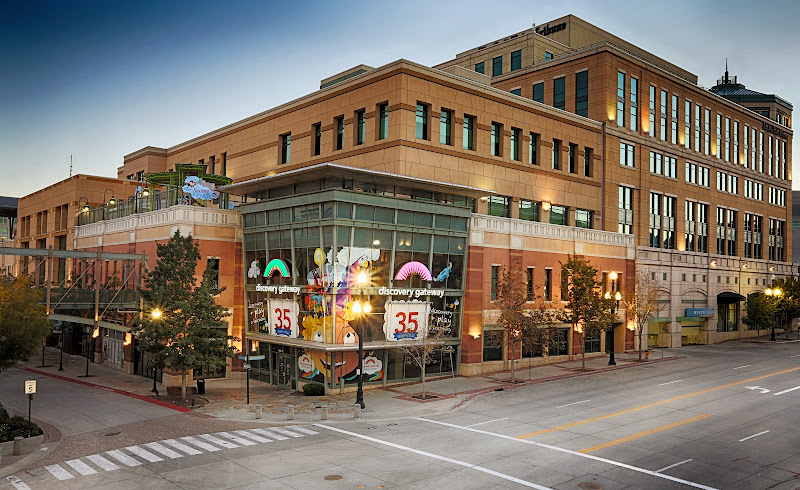
Families can combine Discovery Gateway Children’s Museum, Clark Planetarium, Liberty Park, Tracy Aviary, and the Natural History Museum of Utah. The Discovery Gateway Children’s Museum is especially useful for an interactive indoor stop near downtown.
What day trips can you take from Salt Lake City?
You can take day trips to Antelope Island State Park, Park City, Big Cottonwood Canyon, Little Cottonwood Canyon, and the Utah Olympic Oval. A rental car gives you the most flexibility, while ski shuttles and organized transport serve selected mountain destinations during winter.
Is the Great Salt Lake worth visiting?
The Great Salt Lake is worth visiting for its open horizons, birdlife, island landscapes, and unusual saltwater setting. Antelope Island State Park is the strongest choice if you want trails and wildlife in the same outing.
Before leaving Salt Lake City, check current conditions, insect activity, and park access.
Affiliate placeholder: Compare accommodation options after checking the official property details, location, and cancellation terms.
Affiliate placeholder: Check current activity availability, meeting points, accessibility, and cancellation terms before reserving.