
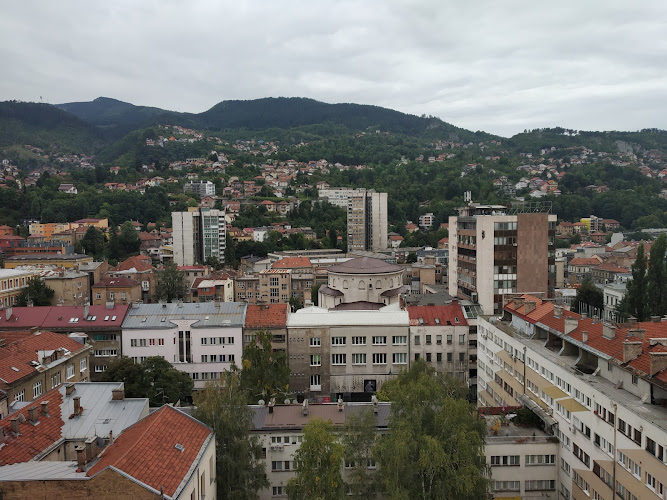
Museum of Crimes Against Humanity and Genocide is a private history museum at Muvekita 11/1, 71000 Sarajevo, in the pedestrian-friendly Old Town centre near Ferhadija. Focused on crimes committed during the 1992–1995 war in Bosnia and Herzegovina, it brings together victims’ personal belongings, photographs, documents and survivor testimony to confront the human consequences of the conflict, including the Srebrenica genocide.
What to Expect at Museum of Crimes Against Humanity and Genocide
This is an emotionally demanding, document-led visit rather than a conventional chronological military museum. Exhibits use archival material, family photographs, identity papers, clothing and other personal objects to give individual scale to crimes against civilians during the Bosnian War. Testimonies and written accounts place the objects in context, addressing detention, forced displacement, sexual violence, mass killing and the continuing work of remembrance.
Allow time to read rather than rushing between displays. Material concerning Srebrenica is central to the museum’s account, while Sarajevo’s own wartime experience helps anchor the wider history in the city outside its doors. The compact interior is serious and spare, keeping attention on evidence and personal stories. English-language interpretation is available in the displays; ask staff on arrival about guided visits, current photography rules and where to leave larger bags.
- 1992–1995 archive: Documents, photographs and records trace the war in Bosnia and Herzegovina through primary-source material.
- Personal belongings: Ordinary possessions and clothing turn broad historical events into accounts of individual victims and families.
- Srebrenica focus: The museum addresses the genocide at Srebrenica and its place in the wider pattern of wartime crimes.
- Survivor testimony: First-person statements add essential human context to the visual and archival displays.
- Old Town location: Muvekita Street places the museum a short walk from Ferhadija, the Sacred Heart Cathedral and Baščaršija.
Museum of Crimes Against Humanity and Genocide at a Glance
| Detail | Information |
|---|---|
| Address | Muvekita 11/1, 71000 Sarajevo, Bosnia and Herzegovina |
| Neighborhood / Area | Old Town centre, near Ferhadija and Baščaršija |
| Operating Hours | Daily, 9am–9pm |
| Admission / Price Range | Paid admission; $ price level. Confirm the current ticket rate directly before visiting. |
| Recommended Visit Duration | 1 to 1.5 hours |
| Nearest Transit / Parking | Latinska ćuprija tram stop; limited central street parking and nearby public garages |
| Official Website & Phone | Official Facebook page; +387 62 052 058 |
Visiting Tips, Getting There & Nearby Pairings
Arrive soon after the 9am opening for the quietest time to absorb the material, particularly in high season when Old Town walking tours fill Ferhadija later in the morning. The museum is best approached on foot from the central pedestrian zone. From the tram corridor along Obala Kulina bana, use Latinska ćuprija stop and walk uphill through the lanes for roughly five minutes; check current routing with GRAS Sarajevo. Driving into the historic core is rarely the easiest option because parking is limited and streets are narrow.
The subject matter can be distressing, so give yourself time afterwards rather than scheduling another intensive museum immediately. The museum is in a central building at Muvekita 11/1; visitors who need step-free entry, a wheelchair-friendly route or a rest break should call ahead on +387 62 052 058 to discuss access. Gallery 11/07/95 is about two minutes away on Trg fra Grge Martića, while the Sacred Heart Cathedral and the Ottoman-era lanes of Baščaršija are each within a 5–10 minute walk.
Frequently Asked Questions
What are the museum’s opening hours, and when is the best time to go?
The museum is open daily from 9am to 9pm. Visit near opening for a quieter setting and enough time to engage carefully with the testimonies and archival displays.
How much does admission cost, and do I need to reserve?
Admission is paid and falls in the $ price range, but the current ticket amount should be confirmed by phone or through the official Facebook page before travel. Contact the museum in advance for group visits or any special arrangements.
How long should I spend at the Museum of Crimes Against Humanity and Genocide?
Plan on 1 to 1.5 hours for a considered visit. Visitors with a particular interest in the Srebrenica material, documentary evidence and survivor accounts may want longer.
Is the museum suitable for children and visitors with limited mobility?
The content covers genocide and severe wartime violence, making it more appropriate for mature teenagers and adults than young children. Call ahead to discuss step-free access or wheelchair needs, and wear comfortable shoes for Sarajevo’s uneven Old Town streets.
When planning your Sarajevo travel guide or comparing verified attractions and museums in Sarajevo, pair this stop with standout local spots including Restoran Careva Ćuprija, Courtyard Sarajevo, Hotel Central, and BAŠ Gallery – BAŠ Galerija (nearby).


