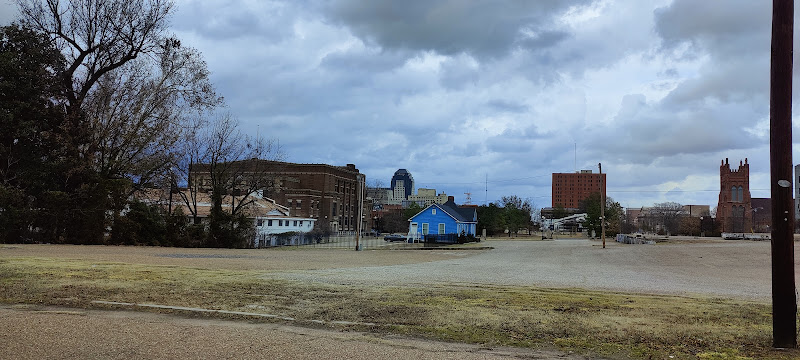
Spring Street Historical Museum is a local-history museum at 525 N Spring St, Shreveport, Louisiana 71101, in the downtown riverfront district. Housed in an 1865 bank building, it explores the people, river engineering and commerce that shaped Shreveport. Travelers come for an approachable introduction to the city, from Native American communities and early explorers to Captain Henry Miller Shreve’s work clearing the Great Raft, the enormous Red River logjam that obstructed navigation.
What to Expect at Spring Street Historical Museum
The building is part of the collection. Originally associated with Tally’s Bank, this nineteenth-century commercial survivor retains a bank vault and an ornamental ironwork gallery overlooking Spring Street. Its scale makes the experience more intimate than a large regional museum: look closely at the architectural details before turning to the historical displays. The contrast between the old banking premises and today’s downtown streets helps explain why preserving this building matters.
Inside, the interpretive story connects Native American history, European exploration and river transportation with Shreveport’s development. The Great Raft is the essential starting point: Shreve’s clearing work opened navigation and helped create the conditions for the town’s founding in 1836. Historical photographs, documents and local artifacts bring the broader chronology down to street level. Follow the river-history material first, then move through the displays on the growing city; the geography makes later commercial history easier to understand.
- 1865 bank building: A surviving downtown commercial structure that places the museum’s stories inside their historical setting.
- Original bank vault: A tangible reminder of the building’s financial past and the security demands of nineteenth-century banking.
- Ornamental ironwork: The exterior gallery rewards a deliberate look before entering or continuing along Spring Street.
- Great Raft interpretation: Learn why clearing a vast accumulation of timber changed transportation on the Red River.
- Shreveport’s early communities: Displays connect Native American history and exploration with the emergence of a river trading town.
Spring Street Historical Museum at a Glance
| Detail | Information |
|---|---|
| Address | 525 N Spring St, Shreveport, LA 71101 |
| Neighborhood / Area | Downtown Shreveport, near the Red River waterfront |
| Operating Hours | Tuesday–Saturday, 10 a.m.–4 p.m.; Monday and Sunday closed |
| Admission / Price Range | Free admission; $ budget tier |
| Recommended Visit Duration | 45 to 60 minutes |
| Nearest Transit / Parking | SporTran downtown service around Texas Street; downtown street parking and paid surface lots |
| Official Website & Phone | LSUS Spring Street Museum; 318-562-3128 |
Visiting Tips, Getting There & Nearby Pairings
Arrive around the 10 a.m. opening to leave room for other downtown stops before lunch, or enter by 3 p.m. for an unhurried visit. Call ahead for school groups, guided interpretation or holiday schedules. Travel light rather than relying on a cloakroom; ask staff about photography before taking interior pictures. For buses, consult SporTran for current downtown routes and stops near Texas Street. Drivers should check posted restrictions and payment instructions at street spaces and surface lots; do not assume nearby private parking belongs to the museum.
The museum occupies a nineteenth-century bank rather than purpose-built galleries. Wheelchair users and families with strollers should call about entrance thresholds, step-free circulation, seating and restroom access before setting out; discuss any stair-dependent areas with staff. Outside, allow for downtown crossings and uneven pavement. Within roughly five to fifteen minutes on foot, pair the visit with the landscaped Asian Gardens along the riverfront, the interactive science exhibits at Sci-Port Discovery Center, or the historic Strand Theatre on Louisiana Avenue. Choose one rather than rushing through all three.
Frequently Asked Questions
What are the opening hours and best arrival time?
The museum opens Tuesday through Saturday from 10 a.m. to 4 p.m. and closes Sunday and Monday. A morning arrival makes it easy to combine local history with a riverfront walk; telephone ahead around holidays.
Is admission free, and do I need a reservation?
Admission is free, making this an inexpensive downtown cultural stop. Contact the museum before bringing an organized group or requesting a guided visit, and check its official page for announcements.
How long should I spend here?
Allow 45 to 60 minutes for the building and historical displays. Visitors especially interested in river engineering or local photographs may want longer, while a focused introductory visit can fit comfortably into a downtown walking itinerary.
Is it suitable for children and visitors with mobility needs?
The bank vault and giant-logjam story offer concrete starting points for curious children, though this is a history museum rather than a play space. Visitors needing step-free access should discuss the historic building’s circulation and facilities with staff before arrival.
When planning your Shreveport travel guide or comparing verified attractions and museums in Shreveport, pair this stop with standout local spots including The Logan Mansion, Elvis Presley Statue, Crawdaddy's Kitchen, and The Blind Tiger (0.1 km away).