
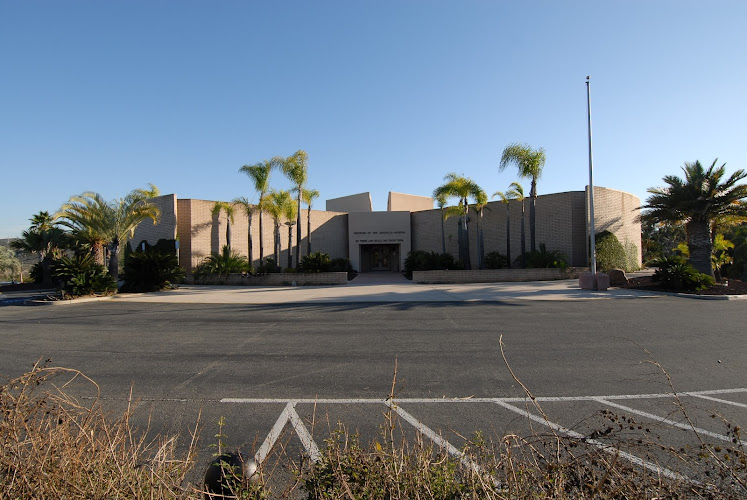
Heritage of the Americas Museum is a compact art, archaeology, anthropology, and natural history museum at 12110 Cuyamaca College Drive West, El Cajon, California 92019, on the Cuyamaca College campus in Rancho San Diego. Founded by collector Bernard “Bud” Lueck and opened in 1993, it brings together natural specimens and human-made objects in four exhibit wings. Travelers visit for an approachable journey from geological history to Indigenous cultures and fine art, with tropical and desert garden patios outside.
What to Expect at Heritage of the Americas Museum
The museum’s organizing idea is “Four Museums in One Place.” Start in Natural History, where minerals, gemstones, meteorites, and fossils establish the physical world behind the cultural collections. Continue into Archaeology to examine objects made by earlier societies, including pre-Columbian ceramics and stonework. This progression makes the collection easier to follow than jumping between cases: first consider materials and geological time, then how people shaped those materials into tools, ceremonial objects, and expressive forms.
The Anthropology wing shifts attention toward cultural traditions, craftsmanship, and everyday life, while Art includes paintings by Alfredo Rodriguez, known for his portrayals of Indigenous people and the American West. The intimate, single-story building favors close looking rather than monumental architecture; its four-wing arrangement and garden patios keep the visit manageable. Ask about current exhibitions and docent-led group visits before traveling. Leave time for the museum shop, and check with staff before photographing displays or bringing a large backpack into the galleries.
- Natural History wing: Compare crystalline minerals, polished gemstones, fossils, and meteorites rather than treating every case as another rock display.
- Archaeology wing: Look closely at ceramic shapes and worked stone to understand differences between practical objects and ceremonial craftsmanship.
- Anthropology wing: Explore cultural identity through objects that communicate traditions, beliefs, and ways of living.
- Fine art collection: Spend time with figurative paintings, including Alfredo Rodriguez’s work, after examining the cultural collections.
- Garden patios: Tropical and desert planting areas provide an outdoor contrast to the specimen cases and artwork indoors.
Heritage of the Americas Museum at a Glance
| Detail | Information |
|---|---|
| Address | 12110 Cuyamaca College Drive West, El Cajon, CA 92019 |
| Neighborhood / Area | Rancho San Diego; Cuyamaca College campus |
| Operating Hours | Tuesday–Friday, 10 a.m.–4 p.m.; Saturday, noon–4 p.m.; closed Sunday and Monday. Check holiday closures. |
| Admission / Price Range | Paid admission; $ budget tier. Check current admission categories on the official website. |
| Recommended Visit Duration | 60–90 minutes; longer for detailed label reading or a guided visit |
| Nearest Transit / Parking | MTS Route 856 to Cuyamaca College; designated museum parking beside the building. Follow posted campus parking restrictions. |
| Official Website & Phone | Official visitor information; +1 619-670-5194 |
Visiting Tips, Getting There & Nearby Pairings
Arrive near the 10 a.m. weekday opening for an unhurried circuit; Saturday visitors need to account for the later noon start. Schools use the museum for educational visits, so call ahead if you want a guided group visit or prefer to avoid a scheduled school group. MTS Route 856 connects the college with SDSU’s transit center and Green Line trolley service; check departures through San Diego MTS. Drivers should approach via Cuyamaca College Drive West and use museum-designated spaces rather than assuming every college lot is unrestricted.
The single-level galleries allow wheelchair and stroller circulation without an inter-floor elevator; use the accessible entrance route and ask staff about patio access before heading outside. Keep larger strollers clear of display cases and leave bulky luggage elsewhere. Pair the museum with The Water Conservation Garden, roughly a five-minute walk away, for drought-adapted planting and landscape ideas. The college’s Ornamental Horticulture teaching gardens offer another nearby botanical connection, approximately five to ten minutes away; respect teaching areas and posted access signs. Bring water for outdoor portions, especially during hot inland afternoons.
Frequently Asked Questions
What are the opening hours, and when should I visit?
The museum opens Tuesday through Friday from 10 a.m. to 4 p.m. and Saturday from noon to 4 p.m. It closes Sunday and Monday; a weekday morning gives you the fullest visiting window.
Is admission free, and do I need a reservation?
Admission is paid and falls within the budget price tier. Check the official visitor page for current rates, and contact the museum in advance for school groups or docent arrangements.
How much time should I allow?
Allow 60–90 minutes for the four wings and garden patios. Reserve another hour if you plan to explore The Water Conservation Garden afterward.
Is the museum suitable for families and wheelchair users?
The compact, single-level layout makes the museum practical for families and wheelchair users. Treat the collections as look-rather-than-touch displays, and ask staff about specific access needs or outdoor surfaces on arrival.
When planning your Spring Valley travel guide or comparing verified attractions and history museum in Spring Valley, pair this stop with standout local spots including Rancho San Diego Inn& Suites, El Cajon, Viet Museum, Rosicrucian Egyptian Museum, and Sweetwater River Trail (1.0 km away).


