The Nobel Prize Museum brings the stories behind the world’s best-known prizes into a compact exhibition space on Stortorget, Gamla Stan’s landmark old-town square. Housed on the ground floor of the Börshuset, the historic Stock Exchange Building, it explores Alfred Nobel’s bequest and the people whose work in science, literature, peace, and economics has reshaped how the world thinks.
This is not a vast collection-driven museum; it is a focused, idea-led stop in the medieval core of Stockholm. Expect personal objects, short films, quotations, and changing displays that turn major breakthroughs into human stories. Its setting is part of the appeal: step outside and you are immediately among Gamla Stan’s narrow lanes, waterfront approaches, cafés, and centuries of Swedish civic history.
Standout Highlights & What Not to Miss
The museum works best when visited with curiosity rather than a checklist. Give the interpretive displays time, particularly the objects and first-person accounts that reveal how laureates worked, doubted, collaborated, and persisted. Temporary exhibitions add a reason to return, while the building’s Nobel connections give the visit a stronger sense of place than its modest footprint suggests.
- Alfred Nobel’s legacy: Start with the story of the inventor, entrepreneur, and philanthropist whose will created the prizes. It provides essential context for everything that follows.
- Laureate artifacts: Look for donated personal items and the narratives attached to them. These small-scale exhibits are often the museum’s most memorable way into discoveries, books, and peace efforts.
- All prize fields in one visit: The displays connect physics, chemistry, medicine, literature, peace, and economic sciences, making this a useful primer for visitors with broad interests or families with mixed priorities.
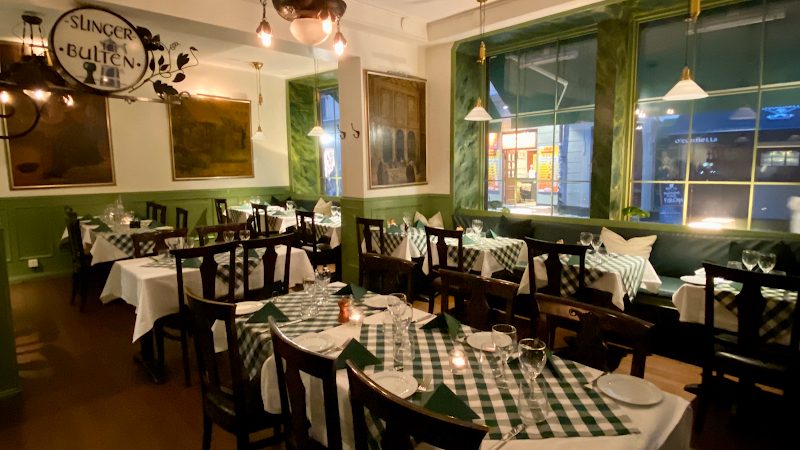
- The signed chairs at Bistro Nobel: Before settling in, look beneath the chairs: laureates have signed many of them. It is a playful detail with a direct link to the prize community.
- The Börshuset setting: Pause in Stortorget before or after your visit to appreciate the building’s role in Stockholm’s intellectual life. The Swedish Academy’s association with the building adds particular resonance for literature-minded travelers.
Visitor Strategy & Planning Snapshot
| Planning Factor | What to Expect | Practical Strategy |
|---|---|---|
| Ideal Arrival Window | Gamla Stan becomes busiest from late morning onward, especially in the main visitor season and on weekends. | Arrive near opening or later in the afternoon, then use quieter square time for photographs and a short wander. |
| Typical Time Needed | The museum is compact, and most visitors spend about 1 to 1.5 hours. | Allow extra time if you read closely, join a guided tour when offered, browse the shop, or stop at the bistro. |
| Booking / Queue Reality | This is an easy museum to fit into a city day, but school breaks, rainy days, and peak tourism periods can concentrate visitors. | Check current entry arrangements and tour availability before setting out; build a little flexibility into a Gamla Stan itinerary. |
| Terrain & Accessibility | The exhibition level is step-free and has accessible restrooms, while the surrounding old-town streets are cobbled and uneven. | Approach at an unhurried pace, choose supportive footwear, and plan the outdoor portion around comfort needs. |
| Weather / Seasonal Fit | It is an especially useful indoor cultural stop in rain, cold, or winter darkness; Stortorget is most pleasant for lingering in milder weather. | Use the museum as a weather-proof anchor, pairing it with outdoor lanes and waterfront views when conditions cooperate. |
Honest Trade-Offs: Best For vs. Who Might Skip
Choose the Nobel Prize Museum if you enjoy big ideas explained through biographies and objects, want a meaningful indoor stop, or are introducing children and teens to science, literature, or social history. It is particularly rewarding for first-time Stockholm visitors because it connects a global institution to a very specific old-town address. Travelers expecting extensive galleries, large-scale installations, or a deep specialist treatment of every Nobel field may find the visit brief. In that case, treat it as a concentrated complement to Stockholm’s larger museums rather than the day’s sole cultural destination.
Neighborhood Context & How to Pair Your Visit
Make the museum one chapter of a walk through Gamla Stan rather than an isolated errand. Begin around Stortorget, then follow the lanes toward the Royal Palace area and the waterfront, leaving room to notice portals, church spires, and small squares away from the busiest route. The compact scale also pairs well with a ferry-side stroll toward Skeppsholmen or a longer central-city walk across to modern Stockholm. For the smoothest rhythm, visit the museum first, take a coffee or dessert pause nearby, and continue outdoors with no need to double back.
When planning your Stockholm travel guide or comparing verified attractions and museums in Stockholm, pair this stop with standout local spots including Radisson Blu Waterfront Hotel, Stockholm, Hilton Stockholm Slussen, Agnes, and Bistro Nobel (nearby).