The Royal Armoury, known in Swedish as Livrustkammaren, is Sweden’s oldest museum and one of Stockholm’s most tangible encounters with royal history. Its collections bring together armour, weapons, uniforms, court dress, horses’ equipment and ceremonial vehicles associated with the Swedish monarchy, from the Vasa era onward.
The museum occupies atmospheric vaulted rooms beneath the Royal Palace on the edge of Gamla stan, Stockholm’s compact Old Town. This is not a palace-interiors visit: it is an object-led museum, where the physical scale of a carriage, the damage to a battlefield garment and the ornament on a helmet make dynastic history feel unusually close.
Standout Highlights & What Not to Miss
Allow time to read the object labels rather than racing from room to room. The strongest displays connect spectacular craftsmanship with specific moments in Swedish history, so a little context repays attention. An audio guide, when available, is particularly useful for visitors who want to follow the succession of rulers and events without relying solely on gallery text.
- Gustav II Adolf’s Lützen relics: The museum’s foundational objects include the clothing associated with the king’s death at the Battle of Lützen in 1632. They give the collection an emotional, documentary force beyond its pageantry.
- Streiff, the royal warhorse: Gustav II Adolf’s preserved horse is a startling and memorable sight, especially for visitors who assume the museum is only about metal armour and weapons.
- Vasa-era tournament armour: Look closely at the shaping, engraving and display presence of the armour. These pieces were protective equipment, status symbols and carefully managed royal propaganda at once.
- Gustav III’s masquerade costume: The costume linked to the king’s shooting at a masquerade ball gives a personal dimension to a famous episode in Swedish political and cultural history.
- The Royal Carriages hall: Gilded coaches, sledges and ceremonial vehicles are the visual climax for many visitors. Pause for their details and sheer proportions before moving on to the smaller costume cases.
Visitor Strategy & Planning Snapshot
| Planning Factor | What to Expect | Practical Strategy |
|---|---|---|
| Ideal Arrival Window | Gamla stan is most pleasant before its lanes fill with tour groups and shoppers. | Make this an early Old Town stop, then continue toward the waterfront or central Stockholm. |
| Typical Time Needed | Most visitors need 1.5 to 2 hours for the permanent displays and carriages. | Reserve longer if you enjoy costume history, military history, or temporary exhibitions. |
| Booking / Queue Reality | Visitor flow is generally easier than at Stockholm’s largest blockbuster museums, but holidays and group arrivals can change the feel. | Check current admission arrangements and exhibition information before setting a fixed schedule. |
| Terrain & Accessibility | A street-level entrance and lift serve the vaulted lower floors; some historic floor surfaces are uneven. | Use the lift if needed, wear stable shoes, and allow extra time when moving through the galleries. |
| Weather / Seasonal Fit | It is an indoor visit that works especially well in rain, cold, or a short winter day. | Use it as the sheltered core of a Gamla stan itinerary, with outdoor palace and waterfront walks around it. |
Honest Trade-Offs: Best For vs. Who Might Skip
The Royal Armoury is an excellent choice for history buffs, armour enthusiasts, families with curious older children and first-time Stockholm visitors seeking a concentrated introduction to royal Sweden. The real objects are the point: visitors drawn to craftsmanship, battles, ceremonial ritual and the private wardrobe of public figures will find considerable depth. It is less suitable for travelers wanting interactive spectacle at every turn, broad Scandinavian social history, or a fast overview of the city. Some material concerns violence, death and hunting, and the dense sequence of dynastic names can feel demanding for younger children unless an adult helps select a few stories. The underground setting is evocative, though it can feel more enclosed than a bright contemporary gallery.
Neighborhood Context & How to Pair Your Visit
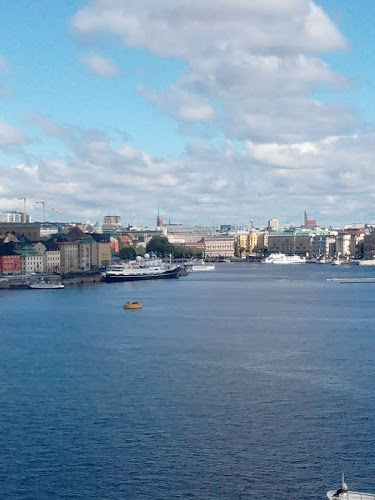
Because it sits beside the Royal Palace in Gamla stan, the museum is easy to fold into a walk rather than treat as an isolated destination. Before or after your visit, explore the palace surroundings, follow the slopes and lanes toward Stortorget, and continue through the Old Town’s narrow streets toward the waterfront. For a fuller day, pair the Armoury with another palace-focused experience or cross toward the central islands for museums, shopping and cafés. Keep the route flexible: Gamla stan rewards wandering, but cobbles, gradients and crowds can slow even short distances. The museum shop is a sensible final stop for design-minded souvenirs or history books, while the carriage hall provides a memorable last look before returning to the streets above.
When planning your Stockholm travel guide or comparing verified attractions and museums in Stockholm, pair this stop with standout local spots including The Viking Museum, Hotel Rival, Best Western Plus Grow Hotel, and Skattkammaren (nearby).