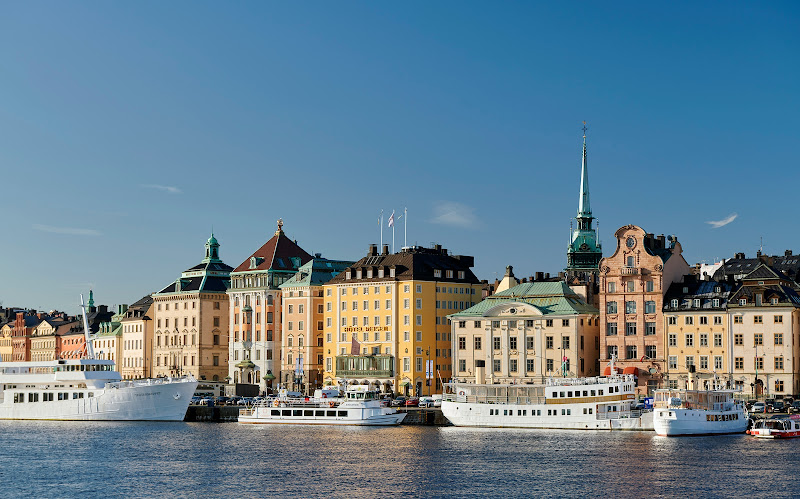
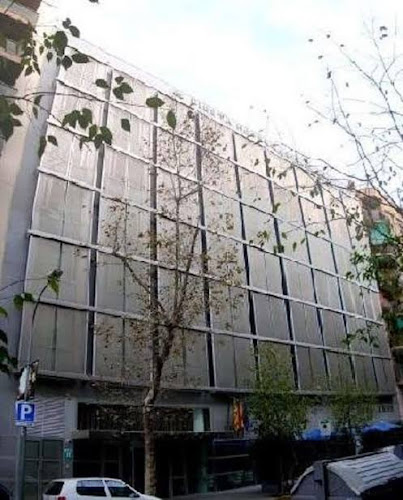
Hotel Hasselbacken is a historic Stockholm hotel-and-restaurant landmark on Djurgården, the green, museum-rich island east of the city center. Its setting on Hazeliusbacken places it beside Skansen and above Stockholm’s inner waterways, in a part of the capital where parkland, cultural institutions and waterfront promenades shape the pace of a day out.
Visitors should know that the property is currently closed for a full restoration and redevelopment, with reopening planned for 2028. For now, Hasselbacken is best understood as an important future stay and dining option rather than a bookable stop. Its long-standing appeal rests on classic Swedish hospitality, harbor-facing views, wellness facilities and a culinary claim with international reach: the fan-cut Hasselback potato was created in its kitchen in the 1950s.
Standout Highlights & What Not to Miss
When Hasselbacken returns, its strongest draw should be the combination of destination dining and a sleepover-worthy Djurgården location. It is not a central business-district hotel; the point is to wake up amid greenery and major attractions, then reach the waterfront and city sights without abandoning a quieter, more ceremonial Stockholm atmosphere.
- Hasselback potato heritage: The restaurant is credited with creating the famous sliced, roasted potato. A return visit should make room for the signature dish or any menu interpretation that acknowledges its origin.
- Djurgården at the doorstep: Skansen is nearby, and the island’s paths connect to museums, gardens and waterside viewpoints. This is a notably convenient base for travelers prioritizing cultural sightseeing.
- Historic restaurant setting: Before its closure, the property was known for classic Swedish dining in a grand early-20th-century building, with high-ceilinged rooms and a sense of occasion rather than a quick casual meal.
- Water and city outlooks: The elevated hillside position and dining spaces overlooking Saltsjön helped distinguish Hasselbacken from hotels deeper in the urban grid. View availability will depend on the eventual room and table layouts.
- Wellness-minded stay: A spa area and gym were part of the former offering. Travelers interested in those facilities should wait for the relaunched property’s confirmed amenities rather than assume the previous setup will remain unchanged.
Visitor Strategy & Planning Snapshot
| Planning Factor | What to Expect | Practical Strategy |
|---|---|---|
| Ideal Arrival Window | Future guests will likely benefit from arriving before evening if using Hasselbacken as a Djurgården base. | Use daylight for the island’s paths and sights; reserve dinner or a drink for the later part of the day once service details are confirmed. |
| Typical Time Needed | The former hotel format suited one to three nights, while a restaurant visit could anchor an evening. | Pair an eventual stay with at least one full Djurgården day instead of treating the hotel as a quick city-center overnight. |
| Booking / Queue Reality | The property is closed during restoration, with a planned 2028 reopening. | Do not make travel plans around a room, meal, spa visit or event here until post-reopening availability is formally announced. |
| Terrain & Accessibility | The Djurgården hillside approach involves slopes; future step-free arrangements remain to be confirmed. | Travelers with mobility needs should verify entrances, lifts, accessible rooms and the most practical arrival route after reopening. |
| Weather / Seasonal Fit | Summer emphasizes terraces, greenery and water views; colder months favor museums and indoor dining. | Build in weather flexibility, especially when walking between the island’s attractions and the hotel. |
Honest Trade-Offs: Best For vs. Who Might Skip
Hasselbacken is best for couples, food-focused travelers, luxury-minded visitors and guests who want a softer, scenic alternative to central Stockholm. Its heritage makes it more meaningful than a generic upscale stay, particularly for travelers who enjoy Swedish culinary traditions and plan to spend substantial time on Djurgården. The trade-off is location: it is close to major attractions but not in the middle of the city’s busiest shopping, nightlife or rail-hub districts. Travelers seeking a currently open hotel, a low-cost base, immediate access to late-night urban activity or completely flat surroundings should look elsewhere. Even after reopening, confirm how restoration has affected its restaurant, spa, room inventory and accessibility before treating past descriptions as current.
Neighborhood Context & How to Pair Your Visit
Hasselbacken belongs in a walkable Djurgården itinerary: begin with Skansen, then continue toward nearby museums or along the water, pausing for views across the inlet before returning uphill. In warmer weather, the island rewards an unhurried mix of gardens, ferry-side scenery and outdoor breaks; in cooler months, cluster indoor museum visits and minimize exposed walking. For a broader Stockholm day, combine Djurgården with a waterfront transfer or a stroll back toward central neighborhoods, while allowing extra time for the island’s slopes and the distance between attractions.
When planning your Stockholm travel guide or browsing verified hotels in Stockholm, pair this stop with standout local spots including Central Hotel Stockholm, Brasserie vau de ville, Curry Spice City Indisk Restaurang, and ABBA The Museum (0.1 km away).