Editorial disclosure: This destinations.ai guide was prepared with AI assistance and checked against the official sources linked below. Accommodation and activity placeholders may use affiliate links; that does not change the planning advice.
Stockton sits where the Central Valley meets the San Joaquin River Delta, giving you a city break shaped by waterfront views, regional history, agricultural roots, and a notably diverse food scene. You can fill two or three days with museums, live entertainment, family attractions, and an easy Delta drive.
This Stockton travel guide works best for you if you want an affordable Central California base with cultural stops, outdoor time, and straightforward access to Sacramento, the Bay Area, Lodi, and Yosemite-bound routes.
The city rewards a planned visit. Group downtown attractions into one day, use a car for North Stockton and Delta excursions, and check venue calendars before building your schedule around a show, game, or seasonal attraction.
Key Takeaways
- Downtown Stockton gives you museums, the waterfront, and historic entertainment venues in a compact area.
- A car provides the most flexibility for restaurants, parks, and day trips beyond the central city.
- Spring and fall bring the most comfortable conditions for walking, waterfront time, and Delta drives.
Quick Answers and Trip Profile
Stockton is a worthwhile two- or three-day destination for you if you enjoy regional museums, local food, family attractions, and California Delta scenery. It is located in San Joaquin County in California’s Central Valley, about 48 miles from Sacramento and 83 miles from San Francisco, based on published mileage to Downtown Stockton.
Plan for two full days if your priorities are the Haggin Museum, Downtown Stockton, the waterfront, and dining. Add a third day for Pixie Woods, the Children’s Museum of Stockton, a Delta outing, or a day trip to Lodi wine country.
Stockton works especially well for:
- Families traveling with younger children
- Visitors seeing University of the Pacific
- Road trippers moving between the Bay Area, Sacramento, and the Sierra Nevada
- Travelers interested in Filipino American, Mexican American, Chinese American, and Central Valley history
- Sports, concerts, and theater visitors with an event at the waterfront or Bob Hope Theatre
Downtown offers the most concentrated sightseeing, while North Stockton is more convenient for many hotels, shopping centers, and University of the Pacific visits. You’ll get more from the city by treating it as a lived-in regional hub with distinct neighborhoods and a working waterfront.
Best Things to Do in Stockton, California
Stockton’s strongest attractions combine art, history, entertainment, and family recreation. Reserve time for the Haggin Museum and Downtown Stockton, then choose activities based on your interests and the season.
Start at the Haggin Museum, where you can explore California art, local history, and collections connected to the region’s past. It’s the city’s essential museum stop, especially if you want context for Stockton’s growth from Gold Rush-era settlement to modern port city.
Walk the Downtown Stockton waterfront around the marina and Banner Island Ballpark. The area is especially appealing when you pair the walk with a baseball game, an arena event, or a performance at the historic Bob Hope Theatre.
For a children-focused visit, add the Children’s Museum of Stockton, which offers hands-on play designed for younger visitors. Pixie Woods Amusement Park is another major family choice during its operating season, with child-sized rides and shaded grounds near Louis Park.
You can also consider:
- A performance or event at the Bob Hope Theatre
- A Stockton Ports baseball game at Banner Island Ballpark
- A University of the Pacific campus walk, especially around Burns Tower and the historic core
- A visit to the San Joaquin County Historical Museum in nearby Micke Grove Regional Park
- A waterfront meal followed by an evening stroll near Downtown Stockton Marina
Check the city’s current calendar through Stockton visitor information and events before you arrive. Performance schedules, game dates, museum hours, and seasonal openings change throughout the year.
History, Culture, and Local Character
Stockton’s character comes from its river-port history, agricultural setting, and immigrant communities that have shaped the city for generations. You’ll see that mix in its museums, neighborhood restaurants, cultural organizations, and downtown architecture.
Founded during the California Gold Rush, Stockton developed as an inland port connected to the Delta and the Pacific. The city remains linked to 1,000 miles of navigable waterways, a fact that explains why the marina and port remain central to its identity.
The Haggin Museum provides the clearest introduction to local history and art. For a broader regional perspective, you can visit the San Joaquin County Historical Museum at Micke Grove Regional Park, east of central Stockton.
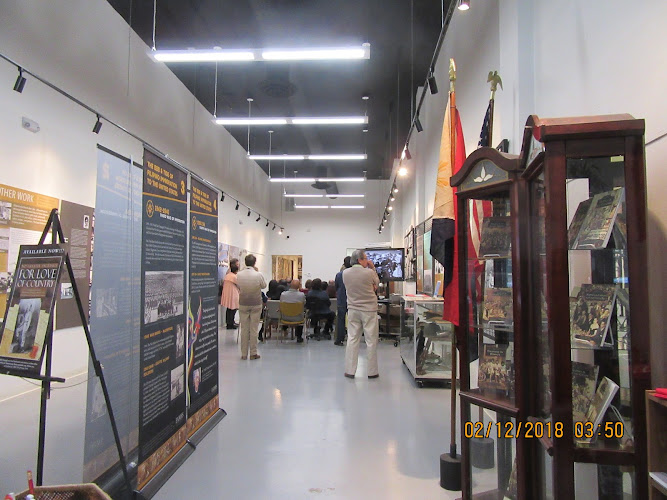
Stockton also has deep Filipino American roots. Its Little Manila history reflects the role Filipino laborers, organizers, businesses, and community leaders played in the San Joaquin Valley. Seek out local cultural programming, food businesses, and exhibitions when they coincide with your trip.
Downtown’s Bob Hope Theatre anchors the city’s performing-arts heritage. Its ornate 1930s interior makes a scheduled show more rewarding than a quick exterior look. Confirm programming and entry policies before committing an evening to it.
For a small landmark stop, the Stockton Water Tower provides a visual reminder of the city’s older infrastructure and changing urban landscape.
Neighborhoods, Parks, and Outdoor Activities
Stockton gives you several distinct areas to explore, from the Downtown waterfront to leafy University of the Pacific streets and Delta-edge parks. A car makes these places far easier to combine in one day.
Downtown is your best choice for civic architecture, the marina, live events, baseball, and a walkable cluster of restaurants. Visit during daylight for sightseeing, and plan your route between venues before evening events.
The Miracle Mile area, near the University of the Pacific, is a practical dining and strolling district. It has a more neighborhood-oriented feel than downtown and works well for a meal before or after a campus visit.
For fresh air, head to Louis Park, where Pixie Woods operates seasonally, or to Oak Grove Regional Park in north Stockton for open space and a lake setting. Micke Grove Regional Park, east of the city, combines picnic areas with the county historical museum and is an easy family outing.
Water is Stockton’s defining outdoor asset. You can admire the marina downtown, book a suitable local boating activity, or use the city as a base for a scenic Delta drive. If you arrive by private boat, the region’s waterways connect directly to Downtown Stockton Marina.
Bring sun protection from late spring through early fall, carry water, and plan longer outdoor walks early in the day during summer heat. For lower-impact travel, choose rail for your arrival and explore downtown on foot before using transit or a ride-hail for longer hops; these habits also fit a broader sustainable travel guide.
Where to Stay and What to Eat
North Stockton and the Miracle Mile area are the most convenient places for many overnight visitors, while Downtown suits you when an event or waterfront access drives your plans. Choose your hotel around your evening schedule and how much driving you expect to do.
North Stockton places you near Interstate 5, shopping, chain hotels, and restaurants. It’s useful for road trips, business stays, and University of the Pacific visits. Downtown places you near the arena, ballpark, marina, and Bob Hope Theatre, with a smaller lodging selection.
For familiar hotel formats, compare location, parking, breakfast, and cancellation terms before booking. Options include the Hilton Stockton, the Hampton Inn Stockton, and the Residence Inn Stockton. Confirm current amenities directly with each property.
Stockton’s food scene reflects the city’s Filipino, Mexican, Cambodian, Chinese, Vietnamese, Punjabi, and American communities. You’ll find casual taquerias, pho shops, Cambodian restaurants, bakeries, brunch spots, and independent coffee shops across the city.
The Stockton Taco Trail is a useful way to organize a meal crawl, especially if you have a car and want to explore beyond a single dining district. Leave room for regional produce in season, including cherries, asparagus, and stone fruit from the wider San Joaquin Valley.
Book tables for larger groups, holiday weekends, and pre-show dinners. Restaurants change hours frequently, particularly independent spots, so call or check the restaurant’s current channels on the day you plan to go.
How to Get There and Get Around
Driving is the easiest way to reach Stockton and explore its spread-out attractions, while Amtrak and regional transit support car-free trips focused on downtown. Interstate 5, State Route 4, and State Route 99 connect the city with major Central Valley and Bay Area routes.
Stockton Metropolitan Airport has limited commercial service. For broader flight choices, Sacramento International Airport is 58 miles away, Oakland International Airport is 65 miles away, and San Francisco International Airport is 84 miles away. A rental car or shuttle is the practical connection from those airports.
Amtrak’s Stockton station is in Central Stockton, and San Joaquins trains stop there eight times daily, described as four round trips between the Bay Area and Bakersfield. Confirm times, stops, and ticket rules through the Amtrak Stockton station page.
ACE rail links Stockton with the East Bay and South Bay on weekdays, which is helpful if you’re combining Stockton with Bay Area travel. Service patterns change, so check the current schedule before selecting a hotel far from the station.
Within Stockton, San Joaquin Regional Transit District buses connect major areas, and ride-hail services fill gaps between neighborhoods. Walking works best around Downtown Stockton, the waterfront, and selected Miracle Mile blocks. Use a car, transit, or ride-hail for the Haggin Museum, parks, and North Stockton lodging.
For arrival options by air, road, rail, bus, or boat, consult the official getting to Stockton information. If you’re extending a California driving trip, use a structured road trip planning approach to account for Central Valley heat, parking, and travel times.
Best Time to Visit and Seasonal Planning
Spring and fall are the best periods for a Stockton visit because daytime sightseeing and Delta outings are more comfortable than during peak summer heat. March through May brings greener landscapes, while October and November suit museum visits, dining, and outdoor walks.
Summer is sunny and hot, especially in the afternoon. Plan indoor attractions, early park visits, and evening entertainment, then keep water in the car for longer drives or waterfront walks. Hotel demand can rise around major events, family travel periods, and University of the Pacific activities.
Winter brings cooler temperatures and a greater chance of rain. It’s still a workable season for the Haggin Museum, theater, restaurants, and day trips, though you should keep outdoor plans flexible.
Before packing, review the current forecast and event calendar. A lightweight layer is useful for Delta breezes and air-conditioned venues even when daytime temperatures feel warm. If your California trip spans several regions, this guide to the best time of year for travel helps you compare seasonal priorities.
Seasonal attractions need extra attention. Pixie Woods, outdoor festivals, baseball schedules, and holiday programming follow their own calendars, so confirm operating dates directly before booking nonrefundable travel.
A Practical Two- or Three-Day Itinerary
A two-day Stockton itinerary should center on Downtown, the Haggin Museum, and one neighborhood dining area, while a third day gives you room for family attractions or the Delta. Keep each day geographically focused to reduce time in traffic.
Day 1: Downtown and the waterfront
- Begin with the Haggin Museum and allow time for both art and history galleries.
- Have lunch near the Miracle Mile or downtown.
- Walk Downtown Stockton Marina and the Banner Island Ballpark area.
- Book an evening performance at the Bob Hope Theatre or attend a scheduled sports event.
Day 2: Parks, local culture, and food
- Visit the University of the Pacific area and stroll the Miracle Mile.
- Spend the afternoon at Oak Grove Regional Park, Micke Grove Regional Park, or Louis Park.
- Build dinner around a Taco Trail stop or a Cambodian, Filipino, Vietnamese, or Mexican restaurant.
- Return to the waterfront for a relaxed evening if you have an event ticket or dinner reservation.
Day 3: Choose your focus
Families should prioritize Pixie Woods when it is open and the Children’s Museum of Stockton. History-minded visitors can spend longer at the San Joaquin County Historical Museum. Drivers can head to Lodi for tasting rooms and vineyard scenery, or follow Delta roads toward Discovery Bay and Isleton.
Build your schedule around confirmed opening hours, especially on Mondays, holidays, and during winter. A useful trip itinerary planning method is to reserve timed attractions first, then place meals and flexible walks around them.
Costs, Safety, Accessibility, and Reservations
Stockton can be a cost-conscious California stop if you use free waterfront walks, public parks, and museum-focused days, although hotel and event prices shift with demand. The biggest variables are lodging, rental car costs, dining choices, and tickets for games or performances.
Set a daily budget after checking current hotel rates and admission prices. Free or low-cost options include walking the Downtown waterfront, exploring public parks, visiting neighborhood dining areas, and checking community event listings. For more spending strategies, see these affordable travel planning ideas.
Use standard city awareness in Stockton. Keep valuables out of sight in parked vehicles, stay in well-lit, active areas after dark, use established parking facilities for events, and arrange transportation before leaving a late performance.
Downtown is most comfortable when you travel directly between an attraction, restaurant, hotel, and event venue. That simple approach can make evening plans easier, especially if you’re unfamiliar with the area.
Accessibility varies by site. The Haggin Museum, theaters, parks, hotels, and transit services each set their own mobility, sensory, service-animal, companion-ticket, and accessible-parking policies.
Contact venues before your visit if you need step-free routing, wheelchair seating, ASL interpretation, or details about accessible restrooms.
Reserve ahead for hotel stays on busy dates, restaurant meals for larger groups, ticketed theater performances, sports events, and any guided water activity. Confirm cancellation policies before you pay, especially for seasonal attractions and day trips affected by weather.
Sources and Current Planning Links
Use official and venue-managed pages for schedules, hours, ticketing, and accessibility details, since these change more frequently than general travel information.
- Stockton visitor planning information
- Haggin Museum
- Stockton attractions and traveler reviews
- Stockton transit and transportation overview
- Current Stockton tourism listings
- Stockton Maritime Museum information
Frequently Asked Questions
Stockton is best approached as a compact Central Valley city break with a waterfront core, museum time, diverse dining, and easy access to nearby destinations. Families, history fans, road trippers, and event visitors will find the strongest reasons to stay overnight.
Is Stockton, California worth visiting?
Stockton is worth visiting if you want a low-key California city break centered on museums, Delta scenery, local food, and family attractions. You’ll get the most value from a two- or three-day stay that includes the Haggin Museum, downtown waterfront, and a nearby park or day trip.
What can families do in Stockton, California?
Families can visit Pixie Woods during its operating season, spend time at the Children’s Museum of Stockton, and explore outdoor areas such as Micke Grove Regional Park. Check age guidance, operating dates, admission rules, and weather plans before leaving your hotel.
What day trips can you take from Stockton?
You can take day trips from Stockton to Lodi, Sacramento, the Sacramento-San Joaquin Delta, Yosemite-area gateways, and Lake Tahoe with an early start. Lodi is the easiest nearby choice for wineries and farm-country scenery, while Sacramento suits you for museums, Old Sacramento, and state history.
Is Stockton dangerous for visitors?
Stockton requires the same practical awareness you’d use in any mid-sized American city. Stay alert around parking areas, keep belongings secured, choose busy routes after dark, and use a car or ride-hail when traveling between distant neighborhoods at night.
What are the nicest areas to stay in Stockton?
North Stockton and the Miracle Mile area are strong choices for hotels, dining access, and University of the Pacific visits. Downtown is best when you’re attending a waterfront event, baseball game, or performance and want to limit late-night transportation.
What movies were filmed in Stockton, California?
Stockton has hosted film and television productions, thanks to its historic streets, waterfront setting, and Central Valley landscapes, which offer flexible locations. For the latest list of productions, check the visitor bureau’s current filmed in Stockton feature, since local film-location roundups and credits are updated over time.
Affiliate placeholder: Compare accommodation options after checking the official property details, location, and cancellation terms.
Affiliate placeholder: Check current activity availability, meeting points, accessibility, and cancellation terms before reserving.