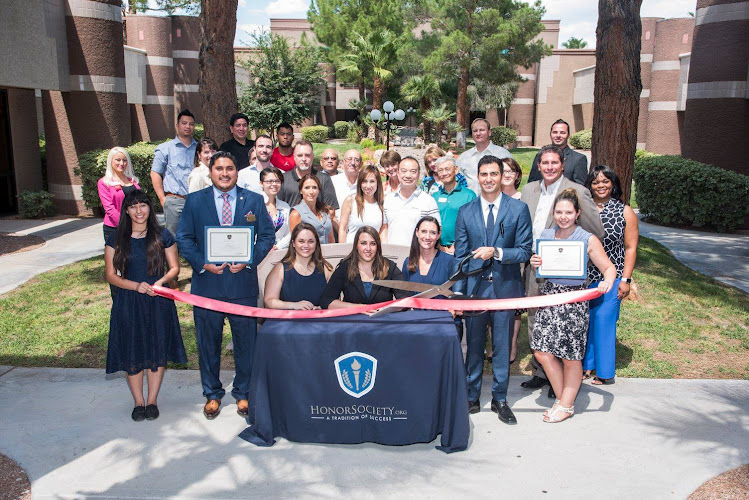
Honor Society Museum is a compact, subject-specific museum in Las Vegas devoted to the history and influence of academic honor societies and other recognition-based organizations. Rather than attempting a sweeping survey of the city’s past or a blockbuster-art experience, it examines the ideas behind formal achievement: scholarship, leadership, membership traditions, personal development, and service to the wider community.
Set along the west Sahara Avenue corridor, well beyond the Strip’s resort concentration, the museum feels like a purposeful local stop in a commercial setting. Its small-scale format suits visitors who enjoy educational history, organizational culture, or memorabilia tied to student and professional life. Plan for an intimate visit with a focused theme, not a large institution with multiple wings, extensive amenities, or a full day’s worth of galleries.
Standout Highlights & What Not to Miss
The appeal here is the chance to look beyond the familiar idea of an honor roll or membership pin and consider how recognition societies have shaped educational and civic life. Give yourself time to connect the displays’ objects and stories to larger questions: Who was recognized, what values were celebrated, and how did membership traditions build identity and responsibility?
- Honor-society origins: Look for the historical context behind organizations formed around academic accomplishment and distinction, and consider how their missions evolved alongside schools and professional communities.
- Scholarship and leadership ideals: The museum’s central subject is not only achievement, but the standards of conduct, initiative, and development that recognition organizations have promoted.
- Membership traditions: Pay attention to the rituals, symbols, and shared customs that make formal recognition tangible and help members identify with a group’s values.
- Community-service perspective: A useful thread is the connection between individual accomplishment and civic contribution. This adds substance for travelers interested in service history rather than academic credentials alone.
- A focused museum scale: The concise format is itself a highlight for visitors wanting a distinctive, manageable stop that rewards close reading and conversation instead of hurried gallery hopping.
Visitor Strategy & Planning Snapshot
| Planning Factor | What to Expect | Practical Strategy |
|---|---|---|
| Ideal Arrival Window | A weekday-oriented visit is the most natural fit for this small museum. | Confirm that visitors are being received before traveling across town, particularly if this is your main reason for leaving the Strip. |
| Typical Time Needed | Most visitors can plan on 45 to 60 minutes for the focused format. | Allow extra time if you enjoy reading interpretive material, discussing organizational history, or documenting notes for research. |
| Booking / Queue Reality | Public information does not establish a regular tour schedule, timed-entry system, or walk-in queue pattern. | Contact the museum ahead of a special trip to ask about current access, exhibitions, group arrangements, and any appointment expectations. |
| Terrain & Accessibility | The venue is in a commercial suite, but detailed accessibility information is not publicly posted. | Confirm step-free entry, interior circulation, seating, and any individual access needs directly before arrival. |
| Weather / Seasonal Fit | As an indoor stop, it can be especially useful during Las Vegas heat or an occasional cool, windy day. | Pair it with nearby indoor errands or dining, and avoid treating it as a convenient detour from pedestrian-heavy Strip sightseeing. |
Honest Trade-Offs: Best For vs. Who Might Skip
This is best for history buffs, academic travelers, solo visitors, educators, alumni, and anyone curious about the social meaning of recognition. First-time Las Vegas visitors may appreciate it as a quiet counterpoint to the city’s spectacle, especially if their interests extend to education, leadership, and civic institutions. The trade-off is specialization: travelers seeking interactive entertainment, major-name art, a broad regional-history museum, food service, or a long sequence of galleries may find the scope too narrow. There is also no published inventory of named artifacts, photography rules, shop, café, or guided experiences, so avoid assuming amenities that have not been confirmed. The museum is most rewarding when you arrive with genuine interest in its topic and view its concentration as an advantage.
Neighborhood Context & How to Pair Your Visit
Build Honor Society Museum into a west-side Las Vegas outing rather than trying to squeeze it into a Strip walk. The Sahara Avenue setting is more practical for visitors already exploring neighborhoods west of the resort corridor, running errands, or arranging a meal nearby. Because the visit is relatively brief, it pairs well with a relaxed lunch or coffee stop and another indoor destination in the same general area. Drivers and rideshare users will generally find the location easier to incorporate than visitors relying on a resort-to-resort pedestrian itinerary. Before you go, verify access details and plan the museum as the anchor of a deliberately chosen local detour.
When planning your Sunrise Manor travel guide or browsing verified museums in Sunrise Manor, pair this stop with standout local spots including Homewood Suites by Hilton North Las Vegas Speedway, AREA15, First Watch, and Springs Preserve (7.4 km away).