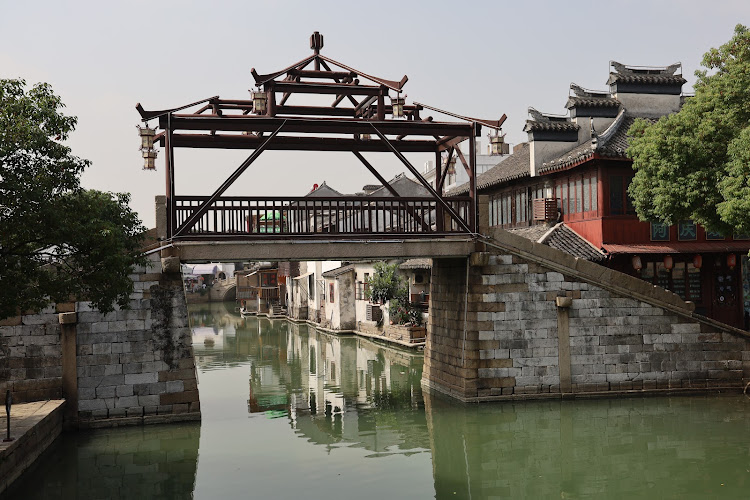
Changshu Museum is the principal local-history museum at 1 Beimen Street, Changshu, Suzhou, Jiangsu 215501, in the old urban center north of the historic city core. Open to the public on September 28, 1997, it charts Changshu’s long Jiangnan story through archaeological finds, ceramics, jades, calligraphy, paintings and folk arts; travelers come for a concentrated introduction to the city’s material culture beyond Suzhou’s better-known classical gardens.
What to Expect at Changshu Museum
The collection exceeds 20,000 objects and includes nationally graded cultural relics, rare ancient books, regional pottery and works on paper. Start with the archaeological material: Liangzhu-culture jades connect the Changshu area to the late Neolithic civilization of the lower Yangtze, while Six Dynasties greenware documents the technical and aesthetic development of early celadon between 222 and 589. These are among the museum’s key regularly displayed antiquities.
Allow time for galleries devoted to calligraphy, painting, ceramics and fans, which bring the refined literati culture of Jiangnan into focus. The museum’s displays move between excavated objects and historically later decorative arts, making it especially useful before exploring Changshu’s older streets and nearby cultural sites. The 2026 special exhibition Elegant Jiangnan: A Court Aesthetic Fusion of North and South, created with 12 institutions nationwide for Changshu’s 40th anniversary as a national historical and cultural city, presents more than 130 artifacts. Gallery text is principally in Chinese, so non-Chinese readers will get more from a translation app or a guide.
- Liangzhu jades: Early ritual and ornamental jade objects associated with the lower-Yangtze Liangzhu culture.
- Six Dynasties greenware: Early celadon pieces from the 222–589 period, a core strength of the archaeological displays.
- Calligraphy and painting: Works on paper that introduce Changshu’s place within Jiangnan scholarly and artistic traditions.
- Fan collection: Decorative and painted fans, a rewarding stop for visitors interested in regional craft and literati culture.
- Rare books and graded relics: A deep holding that includes national first-, second- and third-class objects and rare ancient texts.
Changshu Museum at a Glance
| Detail | Information |
|---|---|
| Address | 1 Beimen Street, Changshu, Suzhou, Jiangsu 215501, China |
| Neighborhood / Area | Central Changshu, near the historic old-city area |
| Operating Hours | Hours and closure days can change; check the museum’s official site or call before setting out. |
| Admission / Price Range | Free general museum admission; some temporary exhibitions or activities may have separate arrangements. |
| Recommended Visit Duration | 2 to 3 hours for permanent galleries and a special exhibition |
| Nearest Transit / Parking | Changshu has no metro; taxi or local bus access to Beimen Street is most practical. Ask the museum directly about vehicle parking. |
| Official Website & Phone | csmuseum.cn; +86 512 5277 6855 |
Visiting Tips, Getting There & Nearby Pairings
Arrive near opening time for the quietest viewing of smaller cases and works on paper, particularly if a major temporary exhibition is running. Confirm the day’s opening hours by phone before traveling, as public museums can close on scheduled maintenance days or alter access around exhibition installation. Photography rules can differ by gallery and by loan exhibition; look for room signage and ask staff before photographing objects. Carrying a translation app is worthwhile because English interpretation is limited.
From Changshu’s rail and coach arrivals, a taxi directly to 北门大街1号 is the simplest option; there is no urban metro network. The galleries are indoors and suit a hot, wet Jiangnan afternoon, but visitors using wheelchairs or strollers should call ahead to confirm step-free entry, lift access and accessible restroom availability for the route planned. Pair the museum with a walk through Changshu’s central lanes, the historic Fangta Pagoda area, or a longer outing to Yushan Mountain and Shanghu Lake; all offer a useful contrast between the objects in the cases and the city’s living landscape.
Frequently Asked Questions
When is Changshu Museum open, and what is the best time to go?
Opening times and weekly closure arrangements should be checked on the official website or by calling +86 512 5277 6855 before departure. Go close to opening for calmer galleries, then visit a temporary exhibition before midday groups arrive.
Does Changshu Museum charge admission or require reservations?
General admission is free, making this a strong cultural stop for budget-minded visitors. Contact the museum ahead of time for any reservation requirement, group procedure or separate arrangement attached to special exhibitions and public programs.
How much time should I budget for the museum?
Budget two to three hours to see the archaeological pieces, greenware, jades, calligraphy, paintings and fan displays without rushing. A focused visit centered on Liangzhu jades and Six Dynasties celadon can be completed more quickly, while the 2026 special exhibition merits additional time.
Is the museum suitable for families and international visitors?
Families with school-age children can use the varied objects—jade, pottery, books and fans—as an engaging introduction to regional history. The museum is indoors and generally calm, but explanatory text is mainly Chinese; bring translation support and call ahead if step-free access, a lift or stroller facilities are essential.
When planning your Suzhou travel guide or comparing verified attractions and museums in Suzhou, pair this stop with standout local spots including China Suzhou Pingtan Museum, Yaba Shengjian, Shangri-La Hotel, Suzhou, and Fairmont Yangcheng Lake Resort (30.3 km away).