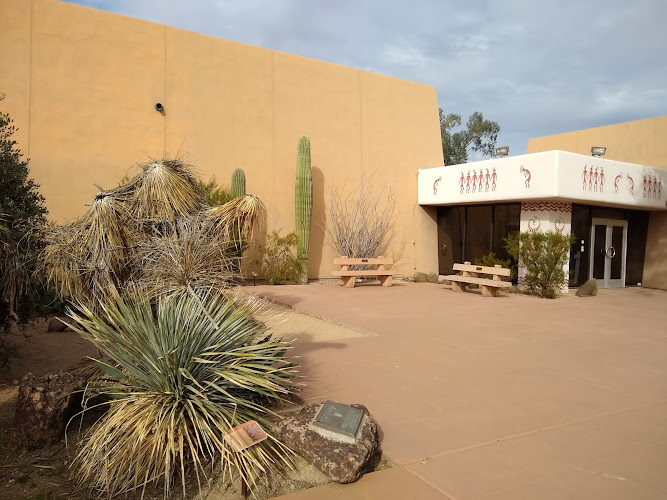
S’edav Va’aki Museum, formerly Pueblo Grande Museum, is an archaeological museum and preserved ancestral Sonoran Desert village at 4619 E Washington St, in Phoenix’s east-side airport district. Established in 1929, the museum protects a settlement occupied approximately AD 450–1450 by people archaeologists call Hohokam, ancestors of today’s O’Odham communities. Travelers come for the platform mound, ballcourt, reconstructed dwellings, and evidence of the canal engineering that made agriculture possible in the Salt River Valley.
What to Expect at S’edav Va’aki Museum
This is principally an outdoor archaeological landscape, not a building filled with excavated rooms. A roughly two-thirds-mile interpretive trail connects preserved earthen remains with reconstructions that explain how residents lived. The platform mound was an important ceremonial and administrative focus; the oval ballcourt reflects connections among settlements across the region. Canal interpretation puts those structures into perspective: carefully graded waterways carried Salt River water to fields long before modern Phoenix existed.
Inside, permanent exhibits examine farming, pottery, trade, and daily life through archaeological objects and interpretation. Changing exhibitions broaden the cultural context, while the hands-on children’s gallery introduces archaeological thinking. The museum’s 2023 name change adopted an O’Odham name meaning “Central Platform Mound,” emphasizing continuing Indigenous connections rather than a vanished civilization. Browse the museum store for Southwestern books and Native American arts; plan meals elsewhere. Check the events calendar for guided walks and demonstrations, and ask staff about photography restrictions before using flash or photographing temporary displays.
- Platform mound: Preserved adobe architecture reveals the settlement’s civic and ceremonial importance.
- Ballcourt: An elongated earthen court illustrates a distinctive feature shared by many Hohokam communities.
- Reconstructed homes: Pit-house and above-ground dwelling reconstructions make changing building traditions easier to understand.
- Canal engineering: Trail interpretation explains irrigation networks that sustained farming in an arid environment.
- Indoor archaeology galleries: Pottery, tools, and family-oriented interpretation connect excavated material with everyday activities.
S’edav Va’aki Museum at a Glance
| Detail | Information |
|---|---|
| Address | 4619 E Washington St, Phoenix, AZ 85034 |
| Neighborhood / Area | East Phoenix, near Phoenix Sky Harbor and the 44th Street airport gateway |
| Operating Hours | Tuesday–Saturday, 8 a.m.–3 p.m.; closed Monday and Sunday. Check seasonal and holiday changes. |
| Admission / Price Range | Paid admission; budget-friendly ($). Check official admission rates and special-event charges. |
| Recommended Visit Duration | 1.5 to 2 hours |
| Nearest Transit / Parking | Valley Metro Rail A Line, 44th Street/Washington station; free on-site parking accessed from Washington Street |
| Official Website & Phone | S’edav Va’aki Museum; +1 602-495-0901 |
Visiting Tips, Getting There & Nearby Pairings
Arrive at opening, especially from late spring through early fall, and walk the archaeological trail before exploring the air-conditioned galleries. Winter offers more comfortable outdoor conditions, but water, sunscreen, and a brimmed hat remain useful. Stay on designated paths: the earthen walls are archaeological resources, not climbing structures. Ordinary visits do not require a guided tour; reserve separately for scheduled programs when registration is requested. Travel light, and ask the front desk about storage for oversized bags.
From 44th Street/Washington station, allow roughly 10–15 minutes to reach the entrance along Washington Street. The nearby 44th Street PHX Sky Train station makes an easy transport-themed pairing, with a free ride toward the airport; the Grand Canal corridor north of the museum adds a modern-waterway comparison within a short walk. Use marked crossings on these busy roads. Indoor galleries have step-free access, and the main outdoor route is paved, although exposed stretches, slopes, and reconstructed dwelling interiors merit extra care with wheelchairs or strollers. Build in seated indoor breaks during hot weather.
Frequently Asked Questions
What are the opening hours and best visiting time?
The listed schedule is Tuesday through Saturday, 8 a.m.–3 p.m., with Monday and Sunday closures. Check the official website for seasonal changes; an early arrival keeps the outdoor portion cooler.
Is admission free, and do I need reservations?
Regular admission is paid and falls in the budget-friendly tier. Check current age-based rates online; special programs and group visits can have separate registration requirements.
How long should I allow?
Allow 90 minutes to two hours for the trail, indoor exhibits, and store. Add time for a scheduled demonstration or for children who want to linger in the hands-on gallery.
Is the museum suitable for families and wheelchair users?
The indoor exhibits and paved outdoor route make this a practical family outing, with step-free gallery access. Outdoor heat and sloping sections require planning; wear comfortable shoes and supervise children around fragile archaeological remains.
When planning your Tempe travel guide or comparing verified attractions and history museum in Tempe, pair this stop with standout local spots including Moxy Phoenix Tempe/ASU Area, Graduate by Hilton Tempe, Aloft Tempe, and Hall of Flame Fire Museum (2.9 km away).