
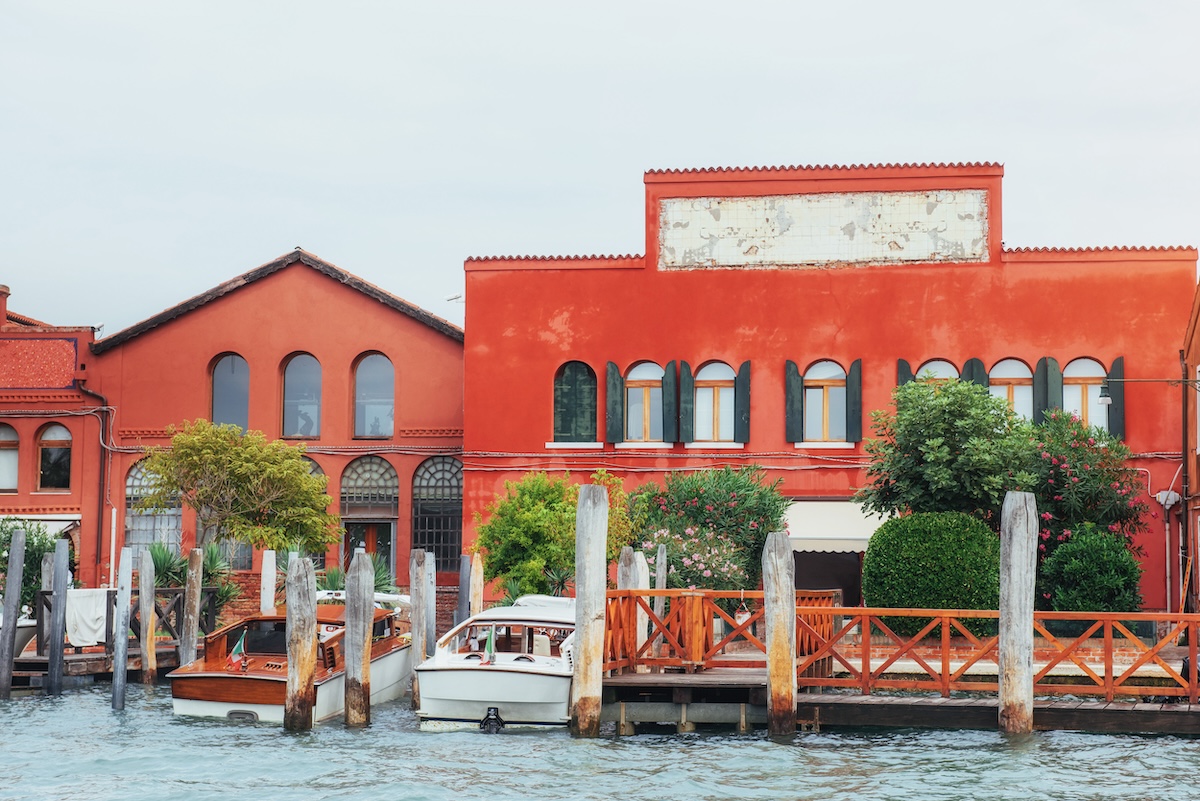
The Peggy Guggenheim Collection is Venice’s essential stop for 20th-century art: an intensely personal collection displayed in Palazzo Venier dei Leoni, Peggy Guggenheim’s former home on the Grand Canal. Rather than a vast, chronological museum, it feels like entering the rooms of a formidable collector who lived with the art she championed.
It sits in Dorsoduro, across the water from the busier San Marco side and within an easy wander of the Accademia area, the Basilica di Santa Maria della Salute, and quiet canal lanes. The low, unfinished white-stone palazzo is distinctive along the canal; inside, Cubism, Surrealism, and Abstract Expressionism unfold at a human scale.
Standout Highlights & What Not to Miss
This is a museum best approached with attention rather than speed. Peggy Guggenheim assembled works by artists she knew, backed, or collected early, so the experience has a strong point of view. Give the permanent collection priority, then leave time for the garden and canal-facing terrace rather than treating them as a quick exit route.
- Jackson Pollock’s paintings: Guggenheim was an early supporter of Pollock, and the works here are a major reason the museum matters. Look closely at their scale and energy; these canvases reward a few uninterrupted minutes.
- Picasso, Braque, and the Cubist thread: Works including Picasso’s The Poet provide a compact introduction to the radical shifts in early modern European art without requiring an encyclopedic museum visit.
- The Surrealist rooms: Magritte, Dalí, Miró, and Max Ernst feature among the collection’s dreamlike, unsettling highlights. Ernst’s presence is especially personal: he was Guggenheim’s former husband and an important figure in her collecting story.
- Nasher Sculpture Garden: Slow down among works by artists including Giacometti, Henry Moore, and Jean Arp. Guggenheim’s grave, beside those of her beloved dogs, makes the garden feel less like a formal sculpture court and more like part of a lived-in home.
- Grand Canal terrace: Marino Marini’s bronze The Angel of the City provides the memorable canal-facing image. It is a fine place to pause between galleries, but be considerate of other visitors taking in the view.
Visitor Strategy & Planning Snapshot
| Planning Factor | What to Expect | Practical Strategy |
|---|---|---|
| Ideal Arrival Window | The intimate galleries can feel concentrated when Venice’s sightseeing flow peaks. | Arrive close to the start of the visitor day or later in the afternoon for more space to look at key works. |
| Typical Time Needed | Most visitors need 1.5 to 2.5 hours for the collection, garden, terrace, and a measured look at temporary displays. | Allow the full range if modern art is a priority; a rushed hour risks missing the collection’s connections. |
| Booking / Queue Reality | This is a major Venice museum with limited, house-sized gallery space, so demand can be strongest in high season. | Reserve ahead when your schedule is fixed, especially for weekends and peak travel periods; keep confirmation details accessible. |
| Terrain & Accessibility | Galleries are mostly single-level, and the museum runs dedicated accessibility programs. Venice approaches can be the harder part. | Use the Salute vaporetto stop to avoid the stepped Accademia bridge, and confirm any individual access needs before going. |
| Weather / Seasonal Fit | It is an excellent refuge during heat, rain, or winter damp, while the garden and terrace are particularly appealing in mild weather. | Pair an indoor visit with a Dorsoduro walk; bring layers for canal-side time in cooler or breezy conditions. |
Honest Trade-Offs: Best For vs. Who Might Skip
This museum is best for art lovers, first-time Venice visitors who want one focused modern-art experience, history-minded travelers interested in Guggenheim’s life, and couples seeking a quieter cultural stop with a Grand Canal setting. Its strengths are intimacy, quality, and personality—not breadth. Visitors expecting a sweeping survey of every modern-art movement, extensive interpretive space, or a large landmark-scale building may find it smaller than anticipated. Those with no interest in 20th-century art might prefer Venice’s architecture, decorative arts, or maritime-history sites, although the palazzo, garden, and canal views still give the visit a distinctive sense of place.
Neighborhood Context & How to Pair Your Visit
Build the collection into a walkable Dorsoduro day rather than crossing the city only for a quick museum stop. Begin around the Accademia and its bridge, follow the canals toward the museum, then continue to the Salute church and the Punta della Dogana waterfront for broad basin views. Alternatively, arrive by vaporetto at Salute, visit the Guggenheim Collection first, and drift back through Dorsoduro’s narrower lanes toward Campo Santa Margherita. The café and shop can provide a short reset, but leave room in the itinerary for the neighborhood itself: this side of Venice rewards unhurried wandering between major sights.
When planning your Venice travel guide or comparing verified attractions and museums in Venice, pair this stop with standout local spots including Palazzo Contarini del Bovolo, Centro Commerciale Porte di Mestre, Museo di Palazzo Grimani, and Sina Centurion Palace (0.2 km away).


