
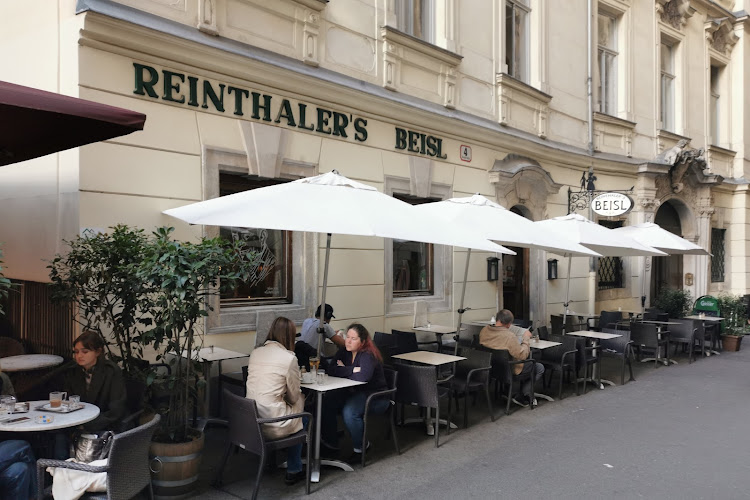
Reinthaler’s Beisl is a traditional Viennese Beisl on Dorotheergasse, a few steps from the Graben and the Hofburg side of the Innere Stadt. The format is the classic one: a low-key, wood-and-tile dining room, short-ish menu of Austrian staples, and waiters who move briskly between tables. It runs on a steady rhythm of locals, office lunch groups and visitors who want the standard repertoire done without ceremony.
What sets it apart in a district crowded with tourist-facing restaurants is consistency and its position. You are in the middle of the old city, yet the plates are recognisably what a Viennese household would call dinner: breaded cutlets, boiled beef, paprika-heavy stews. With a rating of 4.5 across more than 9,000 reviews, it has become a dependable first-night or last-night choice, and it fills accordingly.
Standout Highlights & What Not to Miss
Visitor feedback keeps returning to a handful of dishes. If you want the full Viennese sampler in one sitting, build your order around these.
- Tafelspitz: the boiled-beef dish associated with imperial-era Vienna, usually served with broth, root vegetables and classic sides such as horseradish and apple-based accompaniments. It is gentle and savoury rather than rich.
- Wiener Schnitzel and pork schnitzel: the benchmark order. Expect a thin, crisp breaded cutlet that overhangs the plate, with a lemon wedge to squeeze over it.
- Goulash: the Austrian take, deeply paprika-flavoured and best with bread or a dumpling to catch the sauce. A good lighter-appetite option.
- Erdäpfelsalat (potato salad): the tangy, lightly dressed Viennese version, often cited by reviewers as the side worth ordering with the schnitzel.
- Vegan schnitzel: a rarity among traditional Beisln, and a genuine option for plant-based travellers who still want the ritual of a schnitzel dinner.
- Outdoor seating: tables on the street side suit warm evenings, with the pedestrian bustle of the centre as backdrop.
Visitor Strategy & Planning Snapshot
| Planning Factor | What to Expect | Practical Strategy |
|---|---|---|
| Ideal Arrival Window | Lunch and dinner peaks fill the room quickly, especially on weekends and in high season. | Arrive right at opening for either service, or aim for a late lunch after the main rush to get a table with less waiting. |
| Typical Time Needed | About 60 to 90 minutes for a main course and a drink; longer if you add starter and dessert. | Plan a relaxed meal rather than a quick stop, and keep dessert for after the main if the pace allows. |
| Booking / Queue Reality | Popularity means walk-ins can face a wait at peak times, particularly for outdoor tables. | Reserve ahead when you can, especially for groups or evenings; if walking in, be flexible about sitting indoors. |
| Terrain & Accessibility | Central pedestrian-friendly streets on flat ground; older building interiors can be snug, with closely spaced tables. | If you use a wheelchair or need extra room, confirm access and table layout with the restaurant when booking. |
| Weather / Seasonal Fit | Terrace seating is most appealing in late spring through early autumn; winter favours the warm interior. | Ask for outdoor seating on dry, mild evenings, and choose indoors in cold or wet weather for the full Beisl atmosphere. |
Honest Trade-Offs: Best For vs. Who Might Skip
This is best for first-time visitors who want a reliable, well-executed introduction to Viennese home-style cooking without hunting through side streets, and for groups with mixed tastes, since the menu covers meat, lighter plates and a vegan schnitzel. It also suits travellers who value a central base for a long sightseeing day.
You might skip it if you want avant-garde Austrian cooking, a quiet hushed room, or a bargain: a central location and strong reputation mean mid-range pricing and a lively, sometimes crowded dining room. Tables can be close together, and service is efficient rather than lingering. If you are after a remote, locals-only tavern, the heart of the old town is not where to find it.
Neighborhood Context & How to Pair Your Visit
Dorotheergasse sits in the compact core of the Innere Stadt, which makes a half-day easy to build around a meal here. Start in the morning along the Graben and Kohlmarkt for shopfronts and pastry windows, then walk to the Hofburg complex and its courtyards. Time lunch here for the early or late side of midday to avoid the biggest crowd.
After eating, St. Stephen’s Cathedral is a short stroll away, and the surrounding lanes are good for an unhurried walk to digest a schnitzel. The street is also known for its antique and art dealers and nearby museum and auction-house activity, so a gallery browse fits naturally before or after the meal. For an evening plan, dine early, then wander the lit-up pedestrian zone before heading back.
When planning your Vienna travel guide or comparing verified restaurants and austrian restaurant in Vienna, pair this stop with standout local spots including Stadion Center, Hilton Vienna Waterfront, Schachtelwirt, and Column of Pest (nearby).


