Hotel Imperial is Vienna’s storied palace hotel on the Ringstrasse, occupying a Neo-Renaissance building created in 1863 as the city residence of Duke Philipp of Württemberg. Converted into a hotel for the 1873 World Exhibition, it remains an immersive stay for travelers who want chandeliers, marble, antiques and formal Viennese hospitality rather than a pared-back contemporary design.
The setting is a major part of its appeal. In the Innere Stadt, near the Vienna State Opera and Musikverein, the hotel sits at the meeting point of grand boulevard architecture, concert-going culture and the historic center’s walkable lanes. It works as a destination in itself, but it is especially rewarding for visitors building a music, museum or celebratory weekend around central Vienna.
Standout Highlights & What Not to Miss
This is a hotel to experience slowly. Even non-guests may encounter its public-facing dining and bar spaces, while overnight guests can appreciate the building’s ceremonial scale between outings. Look beyond the polished grandeur for the details that connect the property to Vienna’s courtly and culinary traditions.
- Grand marble staircase: The stately arrival sequence is the clearest reminder that the building began life as a ducal palace. Marble, sculptural details, portraits and crystal lighting create a suitably theatrical first impression.
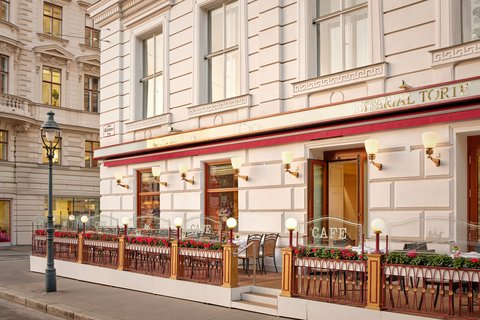
- Imperial Torte at Café Imperial: The hotel’s square chocolate-and-marzipan cake was created in 1873. Have a slice as a proper café pause, or consider a boxed version as a Vienna souvenir.
- Imperial-era rooms and suites: Interiors draw on Biedermeier and Empire styling, with antiques, silk fabrics and marble bathrooms. The grander Royal Suites on the Beletage are the most overtly palatial option.
- Restaurant OPUS and evening drinks: Pair a refined meal with a quieter, dressed-up night in rather than treating the hotel solely as a place to sleep. The bar’s piano atmosphere suits a post-performance drink.
- Historic salons: Wedding and meeting spaces preserve the house’s ceremonial character. They are worth noticing for their decorative detail, though access and availability can vary with private events.
Visitor Strategy & Planning Snapshot
| Planning Factor | What to Expect | Practical Strategy |
|---|---|---|
| Ideal Arrival Window | Late afternoon gives you time to settle in before dinner, drinks or an evening concert nearby. | Arrive with enough daylight to appreciate the facade and Ringstrasse setting, then reserve the evening for the surrounding cultural district. |
| Typical Time Needed | Most travelers use Hotel Imperial as a two- to four-night base rather than a quick overnight stop. | Allow at least two nights if you want a concert, central sights and unhurried time for the café or dining rooms. |
| Booking / Queue Reality | Prestige rooms, suites, festive dates and major performance periods can be in demand; restaurants and salons may host events. | Secure accommodation and any dining plans early around holidays, balls, conferences and high-profile music dates. |
| Terrain & Accessibility | Elevators and accessible rooms are available, though some historic salons have short steps. | Discuss room needs and the exact route to planned event spaces before arrival, especially if step-free access is essential. |
| Weather / Seasonal Fit | The indoor grandeur is appealing year-round, while the Ringstrasse and nearby streets reward walking in milder weather. | Use the hotel as a warm cultural base in winter; in spring and autumn, combine it with extended walks through the center. |
Honest Trade-Offs: Best For vs. Who Might Skip
Hotel Imperial is best for luxury travelers, couples, business guests and music lovers who value atmosphere, service and an address that makes evening plans easy. It is particularly compelling for an anniversary, a special concert trip, a formal wedding stay or anyone who wants Vienna’s historic identity to be present in the room as well as outside the door. The trade-off is that this is intentionally traditional luxury: rich decoration, formal public rooms and heritage character are the point. Travelers seeking minimalist design, casual resort-style amenities, or a neighborhood experience away from the grand boulevard may feel more at home elsewhere. Likewise, guests with mobility requirements should not assume every historic salon has the same step-free access as the main hotel areas.
Neighborhood Context & How to Pair Your Visit
Plan the hotel as the anchor of a compact central Vienna itinerary. Start with coffee and Imperial Torte, then walk toward the State Opera for a performance or continue into the old town for churches, pedestrian streets and traditional coffeehouses. The Musikverein is close enough to make a concert evening feel effortless; return afterward for a piano-bar drink rather than organizing transport across the city. By day, use the Ringstrasse to connect museum visits and architectural sightseeing, then reserve the hotel’s restaurant or café for a deliberate pause. This pairing works especially well when Vienna’s weather turns cool, because the city’s cultural landmarks and the hotel’s public rooms provide a graceful indoor rhythm between short walks.
When planning your Vienna travel guide or comparing verified hotels and wedding venue in Vienna, pair this stop with standout local spots including Restaurant Wiener, Hotel Sans Souci Wien, Small Luxury Hotel Das Tyrol, and Ringstraßen Galerien (0.1 km away).