Armenian Museum of America is a museum and research library at 65 Main Street, Watertown, MA 02472, in Watertown Square, west of Boston. Founded in 1971 to preserve Armenian heritage, it holds more than 25,000 artifacts spanning ancient history, Christian traditions, textile arts, and diaspora life. Travelers come for the illuminated manuscripts, inscribed carpets, and objects that connect Armenia’s history with this Massachusetts community.
What to Expect at Armenian Museum of America
The museum occupies a former bank, a substantial modernist building whose restrained exterior gives little indication of the collections inside. Begin with the historical displays: ancient and medieval coins, manuscripts, religious objects, and household belongings establish a chronology before you reach more recent Armenian experiences. The collection includes the Garabed Gospel of 1207, an important medieval manuscript. Objects on view change, so distinguish the museum’s broader holdings from the particular selection displayed during your visit.
Textiles reward especially close attention. Armenian inscriptions on rugs preserve names, dates, and acts of dedication, while embroidery and traditional clothing reveal regional differences in materials and workmanship. Ceramics, including the Armenian ceramic tradition associated with Kütahya, add another dimension to the craft collections. Displays addressing the Armenian Genocide and subsequent diaspora place these objects within a difficult modern history. Continue to the changing art exhibitions, then browse the museum shop; researchers should contact the library separately about access rather than assume admission includes unrestricted browsing.
- Medieval manuscripts: Illuminated religious books connect Armenian script, painting, and the preservation of Christian texts.
- Inscribed rugs: Woven Armenian lettering turns carpets into records of makers, donors, families, and communities.
- Historic coinage: Ancient and medieval coins trace political authority and trade across successive Armenian kingdoms.
- Textiles and ceramics: Embroidery, clothing, and decorated vessels bring domestic life into the historical narrative.
- Changing art exhibitions: Rotating presentations extend the visit beyond antiquities into Armenian artistic expression across generations.
Armenian Museum of America at a Glance
| Detail | Information |
|---|---|
| Address | 65 Main Street, Watertown, MA 02472, United States |
| Neighborhood / Area | Watertown Square, Greater Boston |
| Operating Hours | Thursday–Sunday, noon–6 p.m.; Monday–Wednesday closed. Closed Thanksgiving Day. |
| Admission / Price Range | $15 nonmembers; $5 students and seniors; members free. Budget tier: $. |
| Recommended Visit Duration | 1.5 to 2 hours |
| Nearest Transit / Parking | MBTA buses 70 and 71 at Watertown Square; metered street parking and nearby municipal lots. |
| Official Website & Phone | Official visitor information; +1 617-926-2562 |
Visiting Tips, Getting There & Nearby Pairings
Arrive around noon to work through the historical collections before the changing exhibitions without watching the clock. Check the current exhibition listings before choosing a date, particularly if contemporary art is your priority. Contact the museum ahead for guided group visits or research appointments, and ask about any audio-guide options. At reception, clarify photography restrictions and where larger bags should go before entering the galleries. Exhibition floors are connected by elevator; visitors needing a step-free approach should call for entrance directions and discuss seating or other access needs.
From Boston or Cambridge, take the Red Line to Harvard, then MBTA bus 71 to Watertown Square; bus 70 also serves the square. Allow for road traffic rather than treating the museum as a fixed 15-minute trip from Boston. Drivers can use signed municipal parking near Main Street or metered spaces, observing posted limits. Afterward, walk roughly five minutes to the Charles River Reservation for riverside paths, or about ten minutes to the Edmund Fowle House on Marshall Street, checking its separate tour schedule. Main Street and nearby Spring Street offer convenient meal stops.
Frequently Asked Questions
What are the opening hours and best time to visit?
The museum opens Thursday through Sunday from noon to 6 p.m. and closes Monday through Wednesday and on Thanksgiving Day. Noon is a useful arrival time for an unhurried visit; check the official website for holiday changes and special events.
How much are tickets, and should groups book ahead?
Admission is $15 for nonmembers and $5 for students and seniors; museum members enter free. Consult the official visitor page for youth admission details, and arrange guided or organized group visits directly with the museum beforehand.
How much time should I allow?
Allow 90 minutes to two hours for the historical displays and changing exhibitions. Readers who study manuscript labels and textile details closely should leave additional time, especially if combining the galleries with a scheduled program.
Is the museum accessible and suitable for children?
An elevator connects exhibition floors, making a multilevel visit possible without using the stairs. Families can focus on rugs, coins, and decorated objects with younger children; adults should judge how much of the genocide-related material is appropriate for their child.
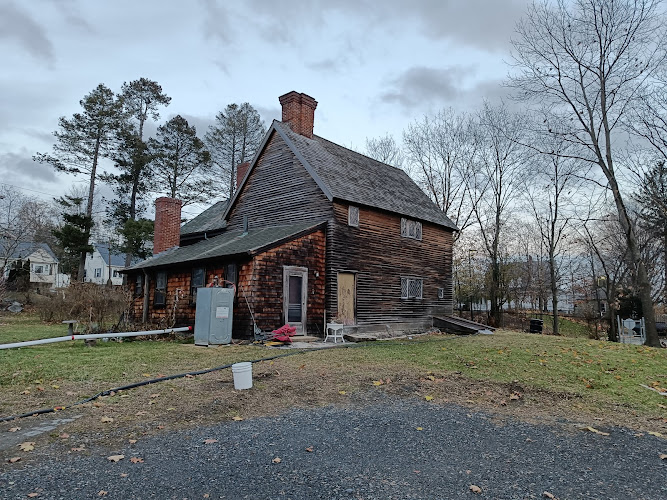
When planning your Watertown travel guide or comparing verified attractions and museums in Watertown, pair this stop with standout local spots including Adirondack Efficiencies, Honor the Mountain Monument, Historic Thompson Park, and Edmund Fowle House (0.5 km away).