Norris Back Basin is the forested geothermal walking area of Norris Geyser Basin, reached from Grand Loop Road near Norris Junction, Yellowstone National Park, WY 82190; it has no numbered street address. Within the national park established in 1872, this boardwalk-and-trail circuit passes steaming springs, acidic geysers, and Steamboat Geyser, the world’s tallest active geyser. Travelers come for close views of a changing volcanic landscape, with lodgepole pine woodland separating many of its thermal features.
What to Expect at Norris Back Basin
The full Back Basin circuit covers approximately 1.5 miles, combining wooden boardwalks with connecting paths. Unlike the more open Porcelain Basin next door, its features appear in separate woodland clearings. Begin near the Norris Geyser Basin Museum and follow signs toward Emerald Spring and Steamboat Geyser. Shorter routes are possible, but the complete circuit reveals considerably more than the first viewpoints. This is a protected hydrothermal landscape, not a bathing area: even apparently quiet pools can contain dangerously hot water.
Norris has evidence of hydrothermal activity stretching back at least 115,000 years. Scientists recorded 459°F underground here, while surface boiling occurs around 199°F because of the elevation. Water levels, colors, and eruption behavior change with shifts in underground plumbing. Steamboat’s major eruptions can exceed 300 feet, but they are unpredictable; smaller splashes are much more likely during an ordinary visit. Look closely at mineral deposits and microbial colors rather than planning your day around a major eruption.
- Steamboat Geyser: Watch from designated viewpoints for forceful splashing, steam, and the possibility of an exceptionally rare major eruption.
- Cistern Spring: This spring has drained after major Steamboat eruptions, revealing a connection between their underground systems.
- Emerald Spring: Clear blue water above yellow sulfur deposits produces the pool’s characteristic green appearance.
- Echinus Geyser: Iron-rich deposits surround an unusually acidic geyser; its eruption activity is irregular rather than scheduled.
- Porkchop Geyser: Rocks around this feature recall its violent 1989 hydrothermal explosion, an important reminder of Norris’s instability.
Norris Back Basin at a Glance
| Detail | Information |
|---|---|
| Address | Norris Geyser Basin, off Grand Loop Road, Yellowstone National Park, WY 82190 |
| Neighborhood / Area | Norris area, near Norris Junction in west-central Yellowstone |
| Operating Hours | Monday–Sunday: no daily trail opening or closing time; access depends on seasonal roads, weather, and closures. Museum hours are separate. |
| Admission / Price Range | Paid Yellowstone entrance; no separate Back Basin ticket. $$; consult official park information for current entrance fees and pass eligibility. |
| Recommended Visit Duration | 1.5 to 2 hours |
| Nearest Transit / Parking | No public transit stop or park shuttle; use the Norris Geyser Basin parking lot, with accessible spaces and restrooms. |
| Official Website & Phone | Official Norris visitor information; +1 307-344-7381, Yellowstone general information |
Visiting Tips, Getting There & Nearby Pairings
Arrive early during the summer driving season: the Norris parking lot frequently fills around the busiest daytime hours. No separate timed-entry reservation is needed for the walk. Drive via Grand Loop Road and follow signs for Norris Geyser Basin, not Norris Campground. Check Yellowstone’s current conditions before traveling; ordinary vehicle access closes seasonally, and winter travel requires different arrangements. Snow and ice can linger in spring, summer brings exposed stretches between trees, and autumn weather can change quickly. Carry water, sun protection, a warm layer, and bear spray.
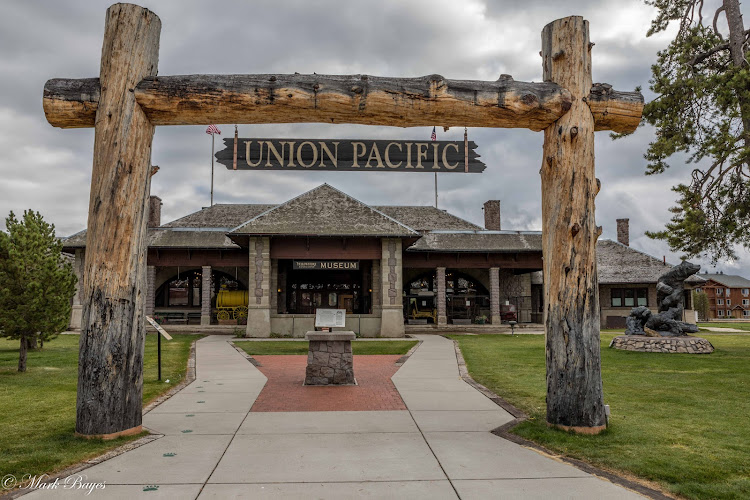
The initial Back Basin route toward Emerald Spring offers a more manageable option for visitors using wheelchairs, but steeper grades farther along mean the full circuit is not uniformly accessible. Strollers also require care on slopes and boardwalk transitions. Stay on designated paths, supervise children closely, and never touch thermal water. Pets cannot accompany you onto the basin trails or boardwalks. Walk in daylight rather than relying on trail lighting. Pair the route with the rustic stone-and-log Norris Geyser Basin Museum, opened in 1930, at the trailhead, and the Porcelain Basin overlook, roughly 5–10 minutes away on foot; exploring Porcelain’s full loop takes longer.
Frequently Asked Questions
When is Norris Back Basin open, and when should I visit?
The trail has no daily gate schedule, but road closures and thermal hazards can restrict access. Early daylight hours during the road-open season are a practical choice for parking and walking.
Do I need a ticket or reservation?
You need valid Yellowstone admission or an accepted entrance pass, but there is no additional Back Basin charge. Check official park information for current fees; the walking circuit does not require a reservation.
How long does the Back Basin walk take?
Allow 1.5–2 hours for the approximately 1.5-mile circuit with photography and viewing stops. Add time for Porcelain Basin or museum exhibits, and do not expect to predict a Steamboat eruption.
Is the basin suitable for children and wheelchair users?
Children can enjoy the walk with close adult supervision, especially beside unguarded thermal ground. Wheelchair users should favor the initial route toward Emerald Spring and seek current ranger advice before attempting steeper sections.
When planning your Yellowstone National Park travel guide or browsing verified attractions in Yellowstone National Park, pair this stop with standout local spots including Hotel Terra Jackson Hole, Lake Lodge Cabins, Livingston Depot Center, and Norris Geyser Basin Museum (0.5 km away).