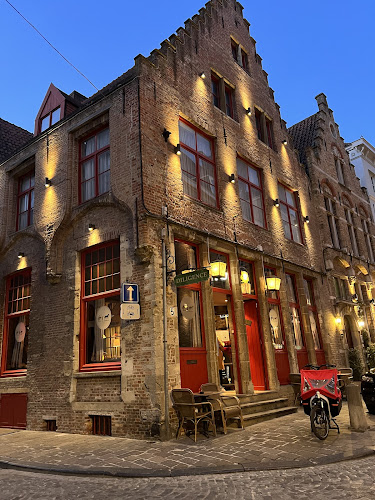
Lumina Domestica is Bruges’ compact museum of domestic lighting, following the long leap from smoky torches and oil lamps to electric bulbs and LEDs. Its collection of more than 6,000 objects is presented as the world’s largest lamp collection, but the appeal is broader than sheer quantity: each room shows how light changed the rhythms, safety and appearance of everyday home life.
Set in the medieval centre near Sint-Jansplein, a short walk north of the Markt, the museum is an offbeat indoor stop among Bruges’ grand churches, canals and chocolate shops. It shares its building with Choco-Story, making it especially convenient for visitors who want two small, distinctly Bruges museum experiences without spending a full day indoors.
Standout Highlights & What Not to Miss
The visit follows a chronological, fixed route, so treat it as a visual timeline rather than a room-by-room treasure hunt. Start by noticing the practical problems each invention tried to solve: producing a steadier flame, reducing smoke, making light portable, decorating a parlour or extending the day after dark. The displays become increasingly ornate through the oil, gas and electric eras, rewarding visitors who look beyond the novelty of old lamps to their materials and craftsmanship.
- The scale of the collection: More than 6,000 lamps and related objects make the museum unusually comprehensive for such a specialized subject.
- Firelight origins: Early torches, grease lamps and simple oil vessels reveal how difficult indoor illumination once was.
- Decorative oil and petroleum lamps: Look for the elaborate forms that turned a household necessity into furniture, ornament and status symbol.
- The shift to gas and electricity: Later galleries make the transition to modern lighting easy to follow, from early electric bulbs to LEDs.
- The paired-museum option: Choco-Story is in the same building, so a combined visit is a practical choice for families and rain-prone Bruges afternoons.
Visitor Strategy & Planning Snapshot
| Planning Factor | What to Expect | Practical Strategy |
|---|---|---|
| Ideal Arrival Window | A small central museum that fits naturally between major sights. | Visit in the morning or during a mid-afternoon lull, then continue on foot through the old town. |
| Typical Time Needed | Most visitors need 45 to 60 minutes for the fixed route. | Allow longer if you enjoy design details, photography-free close looking, or are pairing it with Choco-Story. |
| Booking / Queue Reality | Its compact size can make a spontaneous visit convenient, while combined tickets add value for a two-museum stop. | Check current ticket arrangements before going, particularly on busy weekends and school-holiday dates. |
| Terrain & Accessibility | The route is indoors and sequential; large bags and trolleys are not permitted. A lift is available on request for visitors with reduced mobility. | Travel light and raise mobility needs with staff before beginning the route. |
| Weather / Seasonal Fit | This is a useful sheltered attraction in a city known for changeable weather. | Save it for rain, cold or midday crowds; on a bright day, pair it with nearby lanes and canal walks. |
Honest Trade-Offs: Best For vs. Who Might Skip
Lumina Domestica is best for history buffs, design enthusiasts, families with curious children and travelers who enjoy a narrowly focused collection with a clear story. It is also a strong choice if you have already covered Bruges’ headline attractions and want something genuinely different. The trade-off is that the subject is specialized and the route is structured rather than interactive or open-ended. Visitors seeking a major art collection, dramatic medieval interiors, hands-on exhibits or a long standalone attraction may find it slight. If lamps do not interest you at all, regard it as a short add-on to Choco-Story rather than the centrepiece of your day.
Neighborhood Context & How to Pair Your Visit
Build Lumina Domestica into a compact central Bruges circuit: begin around the Markt, wander north through the quieter medieval lanes, visit the lamp museum, then choose Choco-Story in the same building or continue toward Jan van Eyckplein and the canal-side streets. The area is easy to explore on foot, and the museum’s under-an-hour format makes it a useful anchor between a substantial lunch and an evening stroll. Because the subject is so specific, it works best as contrast: after belfries, brick facades and canal views, the intimate history of how homes were lit gives the city’s domestic past a more tangible scale.
When planning your Bruges travel guide or comparing verified attractions and museums in Bruges, pair this stop with standout local spots including Park Steevens, Belfry of Bruges, Hotel Academie Bruges, and Choco-Story, Chocolate Museum (nearby).