Editorial disclosure: This destinations.ai guide was prepared with AI assistance and checked against the official sources linked below. Accommodation and activity placeholders may use affiliate links; that does not change the planning advice.
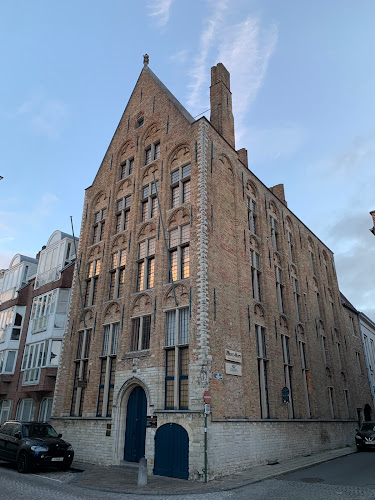
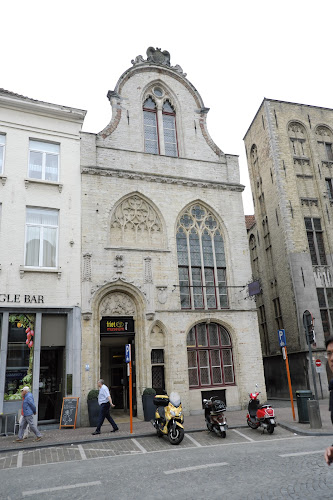
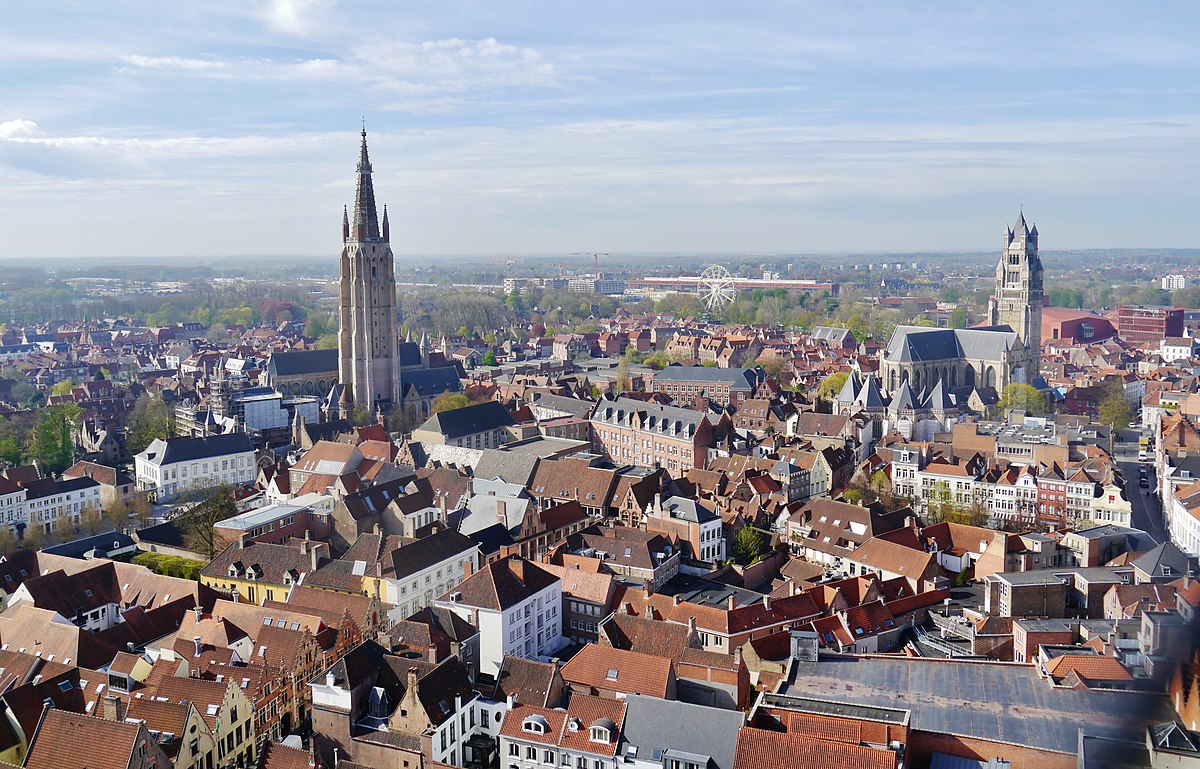
Bruges, the capital of West Flanders in north-west Belgium, rewards you with a compact UNESCO-listed historic centre, canal views, Flemish art, Gothic architecture, chocolate shops, and deeply atmospheric streets once the day visitors have gone.
You can see Bruges’ essentials in two full days, while three days leave room for museums, quieter districts, and a coastal or Flemish city day trip. The central lanes are made for walking, although cobbles, rain, and busy midday bottlenecks make practical shoes and an early start worthwhile.
This Bruges travel guide helps you shape a stay around the city’s medieval trading history while leaving room for slow meals, canal-side pauses, and the details that make Bruges more rewarding than a rushed day trip.
Key Takeaways
- Stay overnight to experience quieter mornings and evenings in the historic centre.
- Book major paid sights and canal trips before busy weekends and school holidays.
- Use Bruges as a walkable base for West Flanders, Ghent, and the Belgian coast.
Quick Answers and Trip Profile
Bruges is best suited to a two- or three-day city break built around walking, art, food, and historic scenery. You will find the core sights inside a small central area, with the Markt, Burg, canals, Beguinage, and museum district all within easy walking distance.
- Location: Bruges, West Flanders, Belgium, at 51.2093, 3.2247.
- Best length of stay: Two full days for highlights; three days for a museum-focused pace or a day trip.
- Best base: The Historic Centre for first visits; Sint-Anna or the station area for a calmer stay.
- Best transport: Arrive by train and walk, cycle, or use local buses once you are there.
- Essential experiences: Belfry views, a canal boat ride, Burg Square, the Groeninge Museum, and a walk through the Beguinage.
- Weather reality: Bring a waterproof outer layer in every season. Summer rain is common, and the city’s average July and August daily highs struggle to rise above 21°C.
Bruges works especially well if you enjoy details: carved façades, painted shutters, church towers, quiet canals, and café terraces. If you prefer a large-city pace, late-night energy, or a broad contemporary-art scene, pair it with Brussels, Antwerp, or Ghent.
You can also build a wider route through the best places to visit in Belgium.
Best Things to Do in Bruges, West Flanders, Belgium
Start with Bruges’ historic squares and waterways, then choose museums and churches that match your interests. The historic centre has been a UNESCO World Heritage Site since 2000, and its dense layout lets you organize attractions into easy walking loops.
- Climb the Belfry of Bruges: The Belfort dominates the Markt and gives you rooftop views across gables, church spires, and canals. Book a timed entry where available and choose an early slot, since the narrow staircase gets busiest later in the day.
- Walk through the Markt and Burg: The Markt frames the Belfry and historic guild houses. A few minutes away, Burg Square brings together Bruges City Hall and the Basilica of the Holy Blood, an intimate church complex associated with a revered relic.
- Take a canal boat tour: A short boat ride gives you low-level views of hidden gardens, bridges, medieval storehouses, and waterside homes. Treat it as orientation on your first afternoon, then revisit your favorite canal stretches on foot.
- Visit the Groeninge Museum: This is your strongest stop for Early Netherlandish painting, including works connected with Jan van Eyck and Hans Memling. Give yourself time to look closely at the detail and symbolism in the panels.
- See Michelangelo’s Madonna: The Church of Our Lady holds Michelangelo’s marble Madonna and Child. Its brick tower remains one of Bruges’ defining skyline features.
- Visit the Beguinage: The whitewashed houses and green courtyard of the Princely Beguinage Ten Wijngaerde offer a quieter counterpoint to the Markt. Keep voices low, as this is a residential and spiritual setting.
- Pause at Rozenhoedkaai: This canal corner near the fish market is one of the city’s most photographed views. Arrive soon after sunrise or near dusk for more space around the water’s edge.
- Explore Historium Bruges: If you want context before walking the streets, this immersive attraction interprets Bruges during its commercial heyday. It is especially useful for families and first-time visitors who want a visual introduction.
- Try Belgian chocolate thoughtfully: Choose a small selection of pralines from a specialist chocolatier and eat them fresh. A tasting with a few fillings is more satisfying than buying a large souvenir box without knowing what you like.
- Sample Belgian beer: Seek out a brown beer, a blond ale, or a Trappist-style option with a meal. Belgian beer service can be strong, so pace your tastings and drink water between glasses.
For a visual overview before you arrive, use the Bruges destination page to pin the central sights around the Markt, Burg, and Minnewater area.
History, Culture, and Local Character
Bruges became wealthy through medieval trade, cloth, and its connection to the North Sea, and that prosperity shaped the churches, squares, merchants’ houses, and art you see today. The city became capital of Flanders in 1089, while an 1134 storm created the Zwin tidal channel that strengthened its access to maritime trade.
By the late Middle Ages, Bruges ranked among north-west Europe’s major commercial centers. Foreign merchants, the Burgundian court, textile traders, bankers, and painters worked within a city whose population reached 46,000 during its golden age.
Its later economic decline preserved much of the built fabric. As trade shifted and the Zwin silted up, Bruges lost commercial influence to Antwerp. Limited industrial rebuilding in the nineteenth century left its street pattern and historic architecture unusually intact.
Look beyond the “medieval” label while you walk. Many structures retain medieval foundations, while visible façades, interiors, and restorations date from later centuries. Neo-Gothic restoration also helped form the Bruges you recognize today.
Your best cultural approach is to pair outdoor landmarks with art. View van Eyck or Memling at the Groeninge Museum, then walk the nearby lanes with fresh attention to civic pride, patronage, religion, and trade.
Bruges feels more legible when you see it as a working mercantile city with a long afterlife in tourism and conservation.
Neighborhoods, Parks, and Outdoor Activities
The Historic Centre gives you the classic Bruges experience, while Sint-Anna, Minnewater, and the windmill area offer a quieter pace. Your route becomes more enjoyable when you step away from the tightest clusters around the Markt between late morning and mid-afternoon.
Historic Centre: Stay close to the Markt, Burg, canals, and major museums if you want short walking distances and maximum atmosphere. Expect the heaviest foot traffic around landmark streets and popular photo spots.
Sint-Anna: East of the busiest core, this residential district offers calmer lanes, local-scale cafés, and access to the city’s canal-side windmills. It suits you if you value quiet evenings within walking distance of the centre.
Minnewater and the Beguinage: South of the central squares, this area blends lawns, water, mature trees, and historic buildings. Walk through Minnewater Park, cross the bridges, and continue along the canal toward the station.
Windmill route: Follow the green belt and canals toward the surviving windmills on the north-east edge of the old city. This stretch gives you open views and a useful break from narrow cobbled streets.
Renting a bicycle works well for the outskirts and the route toward Damme, a small historic town linked to Bruges by canal. Inside the busiest core, cycling requires patience around pedestrians and uneven paving.
For a lower-impact trip, choose rail, walk between sights, refill a water bottle, and use the principles in this sustainable travel guide when selecting transport and meals.
Where to Stay and What to Eat
Choose accommodation inside or just beyond the historic centre so you can walk home after dinner and enjoy Bruges before the day-trip crowds arrive. Hotel availability tightens on spring weekends, summer dates, and the Christmas market period, so reserve early when your dates are fixed.
Historic Centre: This is the best area for a first visit. You will be near the Markt, Burg, canal walks, museums, and restaurants, although rooms facing major squares can carry more street noise.
Sint-Anna: Book here for a residential feel and quieter evenings. You remain close enough to the core for easy walks while gaining a more relaxed sense of daily Bruges.
Station and ’t Zand: This is practical for early train arrivals, luggage-heavy trips, and travelers who want easier access to parking garages. The walk into the old town passes Minnewater and takes you through one of the city’s prettiest approaches.
For food, look for Flemish comfort dishes alongside Belgian classics. Try carbonnade flamande, a beef-and-beer stew; waterzooi, a creamy stew with fish or chicken; Flemish asparagus in season; croquettes; and fries served with sauces.
Belgian waffles appear across the city, while local bakeries are better places for breakfast pastries and bread. Chocolate and beer deserve attention, though balance them with a proper lunch or dinner.
Reserve tables for popular restaurants on Friday and Saturday evenings. If you have dietary needs, contact restaurants directly before booking, especially for gluten-free, vegan, or allergy-safe preparation.
How to Get There and Get Around
Train travel is the easiest way to reach Bruges, and walking is the best way to experience its central streets. Brugge railway station sits south of the historic core, with the Beguinage and Minnewater providing a scenic route into town.
From Brussels-Midi or Brussels-Zuid, trains to Bruges run every 30 minutes during the day and take about one hour. If you arrive via Eurostar at Brussels-Midi, buy a separate Belgian rail ticket for the onward journey.
Connections from Brussels Airport involve a change and take about 90 minutes. Bruges also connects well by rail with Ghent, Antwerp, Ostend, and other Belgian cities.
European rail schedules and fares change, so confirm your journey shortly before departure. The city’s official mobility guidance for Bruges covers rail, airport, car, coach, ferry, and local options.
Once you arrive, walk wherever possible. The historic centre is compact, and its visual interest lies in the streets between headline attractions.
Cobblestones are difficult with small suitcase wheels, so a taxi from the station is a sensible choice if you have heavy luggage or reduced mobility. Local buses help with the station, outer districts, and poor weather.
Bicycles work well beyond the core and for routes toward Damme or the outer canals. Cars bring parking and navigation constraints, as access within the centre is limited and streets are narrow.
If you are driving through Belgium, plan your approach with these road trip planning tips.
Best Time to Visit and Seasonal Planning
Late spring and early autumn offer the best balance of daylight, comfortable walking weather, and manageable crowds in Bruges. April through June and September usually bring pleasant conditions for canal walks and outdoor terraces, though you should still pack for rain.
Spring: March through May brings fresh greenery to the Beguinage and Minnewater. Easter and long weekends draw large visitor numbers, so reserve accommodation and key attractions well ahead.
Summer: June through August provides long days and lively streets. Bruges stays cooler and wetter than many European city-break destinations, with July and August rainfall averaging 203 mm per month.
Start outdoor sightseeing early and keep museum time flexible for wet spells. The weather can shift quickly, even during the brighter months.
Autumn: September offers a strong combination of softer crowds and lingering daylight. October brings richer foliage around Minnewater, along with rapidly cooling temperatures and more variable weather.
Winter: November through February is damp and chilly, with short daylight hours. You gain an intimate atmosphere, festive lights, and fewer crowds outside holiday peaks.
Christmas market dates and programming vary each year, so verify them before committing to travel. Bring waterproof shoes with grip, a compact rain layer, and layers you can add indoors and outdoors.
For wider planning, these best times to visit Europe help you coordinate Bruges with other destinations.
A Practical Two- or Three-Day Itinerary
This itinerary gives you a coherent first visit without turning Bruges into a race between ticketed attractions. Book the Belfry, canal boat, and any museum entries that use timed admission before you arrive.
- Day 1, squares and canals: Begin at the Markt and climb the Belfry early. Continue to Burg Square and the Basilica of the Holy Blood, then walk toward Rozenhoedkaai and the fish market.
- Take a canal boat trip in the afternoon, then return to the same waterways after dinner when the light and foot traffic soften.
- Day 2, art and southern Bruges: Spend the morning at the Groeninge Museum and the Church of Our Lady. Break for lunch, then walk through the Beguinage and Minnewater Park.
- Use the later afternoon for a chocolate tasting, beer bar, or a slower canal-side walk through Sint-Anna.
- Day 3, choose your pace: Follow the windmill route and cycle or walk toward Damme, or take a train to Ghent for a contrasting Flemish city day. Families can choose Historium Bruges, a canal ride, chocolate workshops, parks, and windmills for an easier rhythm.
On a two-day trip, omit the third-day excursion and protect unstructured time. The city rewards you when you leave space for a church interior, a bakery stop, or a lane that catches your attention.
Costs, Safety, Accessibility, and Reservations
Bruges is easy to manage with advance bookings, comfortable footwear, and a plan for cobbles and rain. Your largest costs will be accommodation, restaurant meals, museum tickets, and arrival transport.
Hotel rates rise sharply around weekends, school holidays, and winter festive dates. Keep costs lower by traveling midweek, staying near the station or outside the tightest central streets, eating one restaurant meal a day, and using train travel from Brussels or Ghent.
For broader strategies, use these Europe budget travel ideas. Even small choices, such as a bakery lunch or a hotel a few streets beyond the centre, can make a difference.
Bruges has a strong reputation as a safe destination for visitors. Focus on routine city precautions: keep phones and wallets secure in crowded areas, remain alert around the Markt and station, and use licensed transport late at night.
European emergency assistance is available through 112. Accessibility requires advance thought, too: the city’s cobblestones, narrow pavements, stepped historic buildings, and small boat boarding points can be challenging for wheelchair users and travelers with limited mobility.
Choose a hotel with confirmed step-free access and an elevator, ask attractions about current entrance routes, and consider taxis between the station and your accommodation. Reserve the Belfry, major museums, canal rides, special restaurants, and popular guided walks when your travel dates fall in peak periods.
Check official attraction pages for current hours, closures, admission rules, and accessibility information before booking, since seasonal operations change.
Sources and Current Planning Links
Use official visitor information and transport guidance to confirm details close to departure. Opening times, ticket systems, road access, festivals, and rail schedules change through the year.
- Official Bruges travel and mobility information
- Official Bruges visitor frequently asked questions
- Background on Bruges history, weather, and rail connections
- Trip itinerary planning guidance
Fan-Out Coverage Checklist
Bruges is a compact destination where overnight stays, advance reservations, and weather-ready walking gear shape your experience. These planning answers point you toward the right parts of your trip.
Is Bruges, West Flanders, Belgium Worth Visiting?
Bruges is worth visiting if you want a concentrated historic city experience with canals, Flemish art, architecture, and excellent food culture. An overnight stay gives you the best experience because the centre is quieter early and late in the day.
What Are the Best Things to Do in Bruges, West Flanders, Belgium?
Prioritize the Belfry, Markt, Burg Square, canal boat ride, Groeninge Museum, Church of Our Lady, Beguinage, and Minnewater. Add the windmills or a Damme outing when you have a third day.
Where Should You Stay in Bruges, West Flanders, Belgium?
Stay in the Historic Centre for landmark access and evening atmosphere. Sint-Anna offers calmer residential streets, while the station and ’t Zand area suit rail travelers and guests arriving with luggage.
What Is the Best Time to Visit Bruges, West Flanders, Belgium?
Visit from April through June or in September for comfortable sightseeing conditions and long-enough daylight. Carry waterproof clothing in every month, since rain is part of Bruges travel planning.
How Do You Get to Bruges, West Flanders, Belgium?
Reach Bruges by train from Brussels in about one hour, with frequent daytime services. Brussels Airport connections take about 90 minutes with a change, and Brugge station is a short walk or taxi ride from central accommodation.
How Do You Get Around Bruges, West Flanders, Belgium?
Walk through the historic centre, where most first-visit sights sit close together. Use buses or taxis for the station and outer districts, and rent a bicycle for canalside routes and Damme.
How Much Does a Trip to Bruges, West Flanders, Belgium Cost?
Your budget hinges on accommodation, especially on weekends and holiday periods. Reduce spending with midweek stays, rail travel, museum prioritization, and bakery or market lunches alongside one planned restaurant meal.
What Is a Good Two- or Three-Day Bruges, West Flanders, Belgium Itinerary?
Use day one for the Markt, Burg, Belfry, and canals, then devote day two to art, the Church of Our Lady, the Beguinage, and Minnewater. Keep day three for windmills, Damme, Ghent, or a slower food-and-neighborhood day.
What Can Families Do in Bruges, West Flanders, Belgium?
Families can combine a canal boat ride, Historium Bruges, chocolate tasting, Minnewater Park, and the windmills. Build in snack breaks and choose fewer stair-heavy attractions for younger children.
What Day Trips Can You Take From Bruges, West Flanders, Belgium?
Ghent is the strongest city day trip for grand medieval architecture and a larger urban feel. You can also visit Damme by bike or along the canal, or take a train toward Ostend and the Belgian coast.
Frequently Asked Questions
Bruges is easy to visit when you keep your plan focused and leave room for walking. These answers address the practical questions that shape a first trip.
What is Bruges famous for?
Bruges is famous for its preserved historic centre, canals, the Belfry, Flemish Primitive art, chocolate, and Belgian beer. Its UNESCO status reflects the remarkable survival of its medieval street plan and architecture.
How many days in Bruges is enough?
Two full days are enough for Bruges’ leading sights and a relaxed canal-side pace. Stay three days if you want several museums, a bicycle outing, or a day trip to Ghent, Damme, or the coast.
What are the best free things to do in Bruges?
The best free experiences include walking the Markt and Burg, exploring the Beguinage exterior, following the canals, visiting Minnewater Park, and seeing the windmills from outside. Early morning walks around Rozenhoedkaai and Sint-Anna give you some of the city’s strongest views without an admission ticket.
Is Bruges safe for American travelers?
Bruges is safe for American travelers who follow ordinary city precautions. Keep valuables secure in crowded areas, use 112 for emergencies, and check current government travel advice before international departure.
Which is better for a visit: Ghent or Bruges?
Bruges is the better choice for a compact, highly scenic first visit focused on canals and landmark architecture. Ghent makes more sense if you want a larger, more lived-in city, with major medieval monuments, nightlife, and a broader urban energy. If you have time for both, combining them by train works well.
Affiliate placeholder: Compare accommodation options after checking the official property details, location, and cancellation terms.
Affiliate placeholder: Check current activity availability, meeting points, accessibility, and cancellation terms before reserving.
Explore Bruges by Category: Discover top curated spots across Bruges Attractions & Sightseeing, Best Places to Stay in Bruges, Bruges Restaurants & Dining.