Musée de la Glyptographie is Claude Oberlin’s private research museum at 12 Rue André Kiener, 68000 Colmar, in northern Colmar near the Parc des Expositions. Dedicated to the marks carved by medieval and Renaissance stonemasons, it gives travelers a focused introduction to glyptography: the study of the geometric signs that recorded individual workers, teams and building practices on historic stonework across Alsace and Europe.
What to Expect at Musée de la Glyptographie
This is not a conventional sculpture museum. Its subject is the small-scale evidence left on stone blocks: crosses, stars, triangles and monograms incised by craftspeople working on cathedrals, parish churches and civic buildings. Oberlin has spent more than 30 years documenting these signs in the field, building a corpus of nearly 10,000 recorded marks. The collection and research project trace how teams of stonecutters moved between sites and, at times, across today’s national borders.
Approach the visit as an encounter with architectural detective work. The museum’s catalogue organizes evidence by mason and monument, with 31 identified master stonecutters and 33 monuments represented in the project. The story moves from Alsatian religious architecture and timber-framed urban buildings to comparative work farther afield, including the route between Thann and Ulm. Films and talks extend the subject beyond the displays, explaining how close observation of masonry can reveal working methods and the history of a building campaign.
- Nearly 10,000 lapidary marks: A substantial field-recorded archive of geometric signatures engraved on dressed stone.
- Medieval and Renaissance focus: Learn how stonemasons marked blocks during two major periods of European building.
- Thirty-one master stonecutters: Explore a catalogue arranged to distinguish individual makers and working groups.
- Thirty-three monuments: The research connects marks from churches, cathedrals and secular buildings in Alsace and beyond.
- Films and conferences: Screen-based and lecture formats explain Oberlin’s fieldwork and methods of reading masonry.
Musée de la Glyptographie at a Glance
| Detail | Information |
|---|---|
| Address | 12 Rue André Kiener, 68000 Colmar, France |
| Neighborhood / Area | Northern Colmar, close to the Parc des Expositions |
| Operating Hours | Private visits arranged directly with the museum; no regular public timetable is posted. |
| Admission / Price Range | $; contact the museum directly for current admission terms and any group arrangements. |
| Recommended Visit Duration | 45 to 60 minutes |
| Nearest Transit / Parking | Car or taxi is the most direct option; use the official TRACE Colmar journey planner for current bus routing. Parc des Expositions parking is nearby. |
| Official Website & Phone | glyptographie.fr · +33 6 08 74 37 81 |
Visiting Tips, Getting There & Nearby Pairings
Arrange your visit before setting out, especially if you are coming from Colmar’s historic center. This independent, research-led museum operates differently from the city’s large public institutions, so a direct call is the practical way to settle a visiting time, language needs, group size and any filming or photography questions. Travelers with a special interest in medieval churches, construction history or restoration will get the most from arriving with questions about a particular monument or symbol.
Rue André Kiener is north of the old town, making a bicycle, taxi or car more convenient than a walk from the station. Check the official TRACE Colmar network for live bus options. The Parc des Expositions is about a 10-minute walk away, while Colmar’s Statue of Liberty, a 12-metre-scale reproduction of Bartholdi’s New York monument, is roughly 15 minutes on foot. As a private venue, access arrangements for wheelchair users, strollers and visitors needing step-free entry should be made when booking; confirm entrance width, internal circulation and toilet availability in advance.
Frequently Asked Questions
When is Musée de la Glyptographie open, and when should I visit?
The museum does not publish standard daily opening hours; visits are arranged directly with Claude Oberlin’s museum. Contact ahead rather than arriving unannounced, and choose a time that allows for discussion of the research as well as viewing the material.
How much does admission cost, and do I need a reservation?
Current admission terms are arranged directly with the museum and no fixed public ticket price is posted. A reservation is the appropriate approach for individual visitors and essential for groups, school parties or researchers.
How long should I allow for the museum?
Allow 45 to 60 minutes for an introductory visit to the marks, catalogue and research methods. Visitors studying medieval architecture may wish to allow longer for a conversation about the 33 documented monuments and the links between their building teams.
Is the museum suitable for families and visitors with reduced mobility?
Older children and teenagers interested in symbols, puzzles and medieval building techniques can engage well with the subject when a visit is arranged around their interests. Because this is a private museum, call before travel to coordinate mobility access, seating, stroller needs and any assistance required at arrival.
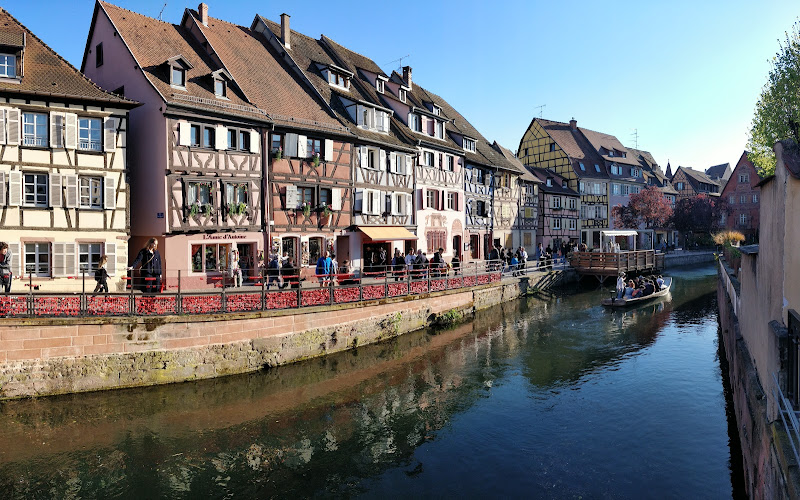
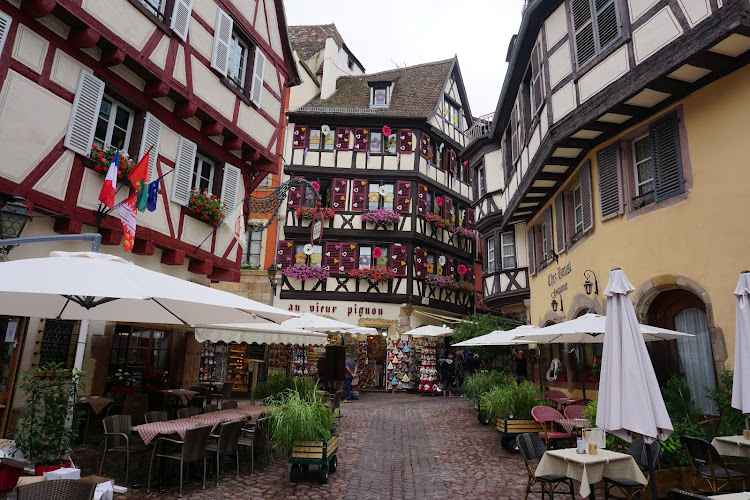
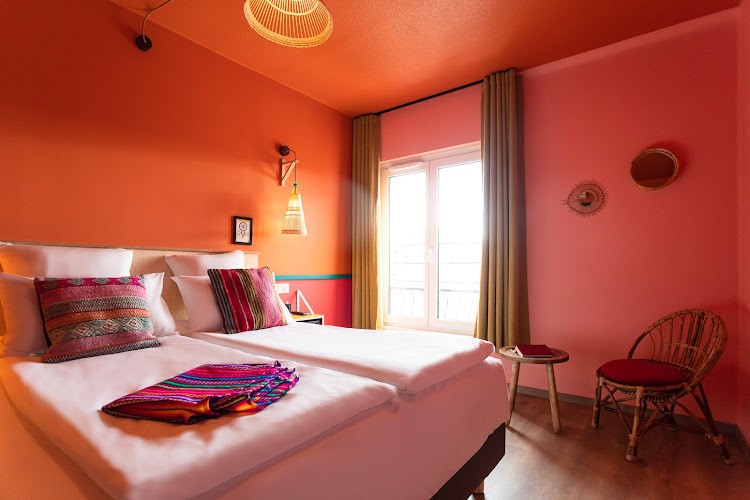
When planning your Colmar travel guide or browsing verified museums in Colmar, pair this stop with standout local spots including La Petite Venise, Le Fer Rouge, Caveau Saint-Pierre, and Hôtel Beauséjour Colmar (2.3 km away).