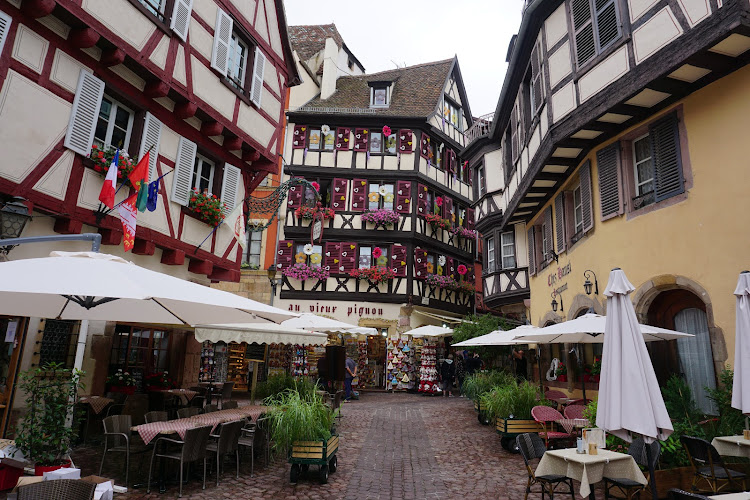
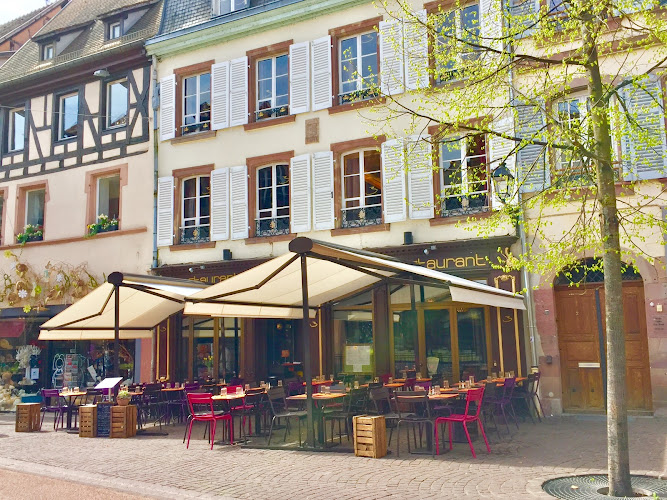
Quick answer: Colmar is an Alsatian town in northeastern France renowned for its preserved half-timbered medieval houses, canal-lined Little Venice (La Petite Venise) district, and rich culinary tradition blending French and German heritage. It also serves as the capital of the Alsace Wine Route.
Editorial disclosure: This destinations.ai guide was prepared with AI assistance and checked against the official sources linked below. Accommodation and activity placeholders may use affiliate links; that does not change the planning advice.
Colmar, the fairytale capital of Alsatian wine in eastern France, charms visitors with half-timbered houses in pastel hues, flower-lined canals, and a beautifully preserved old town.
The highlight is Little Venice (Petite Venise), where colorful houses line the Lauch River and boat rides glide past cascading flowers. Explore the Gothic Saint-Martin Collegiate Church, admire the famed Isenheim Altarpiece at the Unterlinden Museum, and sample Riesling and Gewurztraminer along the Alsace Wine Route.
The best times to visit are spring for blossoms and autumn for the golden grape harvest, both mild and less crowded than summer; December transforms Colmar into one of Europe’s most magical Christmas-market towns, so book far ahead. Compact and very walkable, the city’s center can be enjoyed in a day, reached easily by train from Strasbourg or Paris.
Affiliate placeholder: Compare accommodation options after checking the official property details, location, and cancellation terms.
Affiliate placeholder: Check current activity availability, meeting points, accessibility, and cancellation terms before reserving.
Sources and current planning links
Explore more destinations.ai travel guides when building a longer route.
How to plan a Colmar visit
Colmar is a compact Alsace base for canals, half-timbered architecture, museums, regional food, and wine-country day trips. The old town is easy to explore on foot, but the surrounding villages and vineyards need a different plan. Give yourself one unhurried day in Colmar, then add a single route into the Alsace countryside if you have more time.
Walk the old town before chasing photographs
Begin around the historic center, Little Venice, the fishmonger’s district, and the lanes leading toward the cathedral. The best first walk has no strict checklist: notice the canals, courtyards, façades, bridges, and small shops before the busiest part of the day. A map from the local tourist office can help you choose a discovery route and understand which streets are pedestrian or semi-pedestrian.
Boat rides on the Lauch can add a different view of the city, but departures, capacity, and weather are seasonal. Check the current operator schedule rather than assuming a tour runs every day. If the water activity is full, the same area works well for a slower walk, an early lunch, or a return visit when the light is softer.
Choose one or two museums
The Unterlinden Museum is the obvious choice for travelers interested in art and regional history, while the Bartholdi Museum and other local collections tell a more personal story about Colmar. Do not stack every museum into the same morning. Check exhibits, opening days, admission, school-holiday crowds, and accessibility before buying tickets, then leave time for the old town itself.
Families may prefer a short museum visit followed by an open square, sweet treat, or boat ride. Art-focused travelers can spend longer with one collection and then explore the architecture outside. A rainy day is not a problem in Colmar if the itinerary has a museum, café, market, and a flexible indoor stop close together.
Plan an Alsace wine-country day
The Alsace Wine Route is a regional experience, not a single attraction beside Colmar. Choose a few villages or one winery area, confirm tasting hours and reservations, and plan transport before you drink. A guided tour, designated driver, or train-and-taxi combination may be safer than an improvised driving loop. Respect working vineyards, private lanes, and small-town parking restrictions.
Turckheim, Eguisheim, and other nearby villages can be paired with Colmar, but each deserves more than a rushed photograph. Check the current local event calendar, seasonal opening hours, and transport timetable. In December, Christmas markets can make the region especially busy; book lodging and transport early, and expect queues in the central streets.
When is the best time to visit Colmar?
Spring and autumn are comfortable seasons for walking and village visits, summer brings longer days and more demand, and December offers a famous festive atmosphere with higher crowds. Vineyards, museums, markets, and boat operators do not all follow the same calendar. Check the exact dates for the experience you want rather than assuming a general season guarantees it.
Where to stay, eat, and get around Colmar
Stay inside or close to the old town if you want early walks, evening dining, and easy access to museums. A property near the station may make regional rail simpler, while a rural base can suit a wine-focused trip. Compare the exact address, parking, elevator, air conditioning, breakfast, accessibility, and cancellation terms; historic buildings can have charming rooms and inconvenient stairs.
Alsatian food is part of the destination, from casual bakeries and market lunches to regional dishes and wine tastings. Use current menus and booking pages for allergies, service times, and reservations. Eat near the day’s route and keep a flexible café or brasserie option when a village visit runs late.
Colmar’s center is walkable, and trains connect it with wider Alsace, but a rental car changes the practical range of a countryside itinerary. Check current rail, bus, bike-rental, and parking information before choosing a base. For visitors with mobility needs, ask museums, hotels, boat operators, and restaurants about step-free routes, cobbles, seating, and toilets in advance.
A practical two-day Colmar itinerary
- Day one morning: Walk Little Venice, the fishmonger’s district, the cathedral area, and the main old-town lanes before the busiest period.
- Day one afternoon: Visit one confirmed museum, then pause for a market, bakery, café, or boat ride if the schedule and weather allow.
- Day two morning: Take a planned wine-route or village excursion with transport and opening hours confirmed in advance.
- Day two afternoon: Return to Colmar for a slower meal and one final neighborhood walk rather than trying to add several distant villages.
Colmar is most rewarding when you leave room for details: a courtyard, a changing menu, a quiet canal, or a village street after the tour groups leave. Plan the fixed pieces, then let the compact scale do some of the work.
Colmar planning tips for different travelers
First-time visitors should keep the first morning local and use the second day for one carefully chosen Alsace route. Couples may prefer an evening canal walk and a reserved regional meal, families can combine a short museum with open squares and a boat option, and photographers will usually do better before breakfast or after the daytime crowds thin. These are different rhythms, so choose the one that fits your group.
If rain arrives, do not cancel the destination. Move between a museum, covered market, bakery, restaurant, and confirmed indoor attraction, keeping the route within the old town. If the forecast is bright, reserve your outdoor walk and village excursion first, then use the museums as a heat or weather break. Check the local office’s current map and notices immediately before departure.
Keep arrival and departure days simple. Colmar’s station and old town are close enough for a short first walk, but luggage, train changes, and seasonal crowds can make a timed boat or wine tasting a poor arrival-day commitment. Store bags through a confirmed provider, keep documents and medication with you, and leave a buffer before any onward train or airport transfer.
That extra margin is part of the experience. Colmar is small enough to revisit a favorite street, return to a museum, or sit beside the water when a planned stop ends early. A useful itinerary is not the one with the most addresses; it is the one that lets the architecture, food, and Alsace landscape register as more than a sequence of photographs.
If you are extending the trip beyond Colmar, check the next train or road leg before committing to a late tasting or evening event. Keep passports, tickets, medication, and a light layer accessible, and remember that historic streets can be uneven for wheeled luggage. The compact center makes Colmar forgiving, but a little planning keeps the final hours as pleasant as the first walk.
For a longer regional route, compare Paris, France, Zurich, Switzerland, Lucerne, Switzerland with this destination before finalizing your itinerary.
Frequently asked questions
What is Colmar, Alsace best known for?
Colmar is famous for its fairy-tale architectural charm, scenic canal boat rides through Little Venice, the prestigious Unterlinden Museum housing the Isenheim Altarpiece, and festive seasonal Christmas markets.
When is the best time to visit Colmar?
The best times to visit are spring for blossoms and autumn for the golden grape harvest, both mild and less crowded than summer; December transforms Colmar into one of Europe's most magical Christmas-market towns, so book far ahead.
How many days should you spend in Colmar?
Plan about 3 days for a first visit, then add time if you want to explore beyond the central sights.
How should you get around Colmar?
Colmar’s historic town center is entirely pedestrian-friendly and easily navigated on foot. Regional trains connect directly to Strasbourg and Mulhouse, while local buses and rental bikes service neighboring wine route villages like Eguisheim and Riquewihr.
What should you book ahead in Colmar?
Book Unterlinden Museum tickets and canal boat tours in advance during spring and summer. If visiting during the famed Christmas market period (late November through December), reserve hotel accommodations and dining months ahead.
Explore Colmar by Category: Discover top curated spots across Colmar Attractions & Sightseeing, Best Places to Stay in Colmar, Colmar Restaurants & Dining.
![Hôtel des Berges [Haeberlin]](https://destinations.ai/wp-content/uploads/hotel-des-berges-haeberlin.jpg)