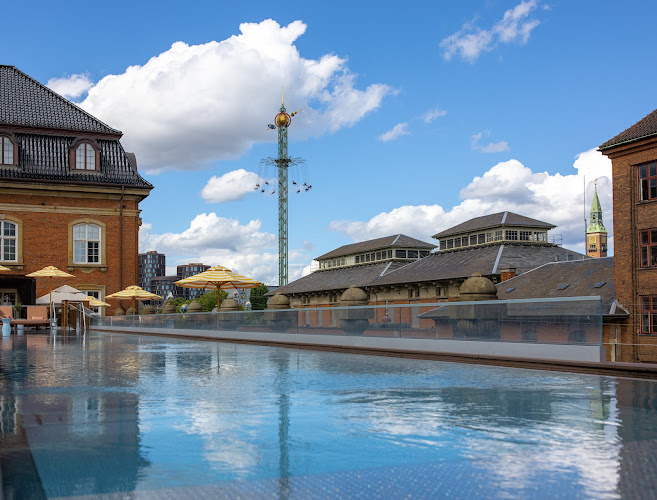
Workers Museum is Copenhagen’s national museum of working-class life, located at Rømersgade 22, 1362 København, in the Nørreport/Indre By area of Copenhagen, Denmark. Founded in 1982 in the historic Workers’ Assembly Building, it traces how Danish wage earners lived, worked, organized and spent their leisure time from the late 19th century onward. Travelers come for the unusually personal perspective on social history: reconstructed homes, atmospheric historic rooms and exhibitions that connect industrialization, unions, family life and democracy.
What to Expect at Workers Museum
The museum’s setting is part of the experience. Its landmark Workers’ Assembly Building was constructed in 1879 as a gathering place for Copenhagen’s workers, and the richly decorated Assembly Hall recalls the speeches, meetings, celebrations and political debates held here. Rather than presenting labor history only through documents and machinery, the galleries place personal memories, household objects, photographs, posters and everyday belongings at the center of the story.
Do not miss the 1915 workers’ apartment, a carefully preserved period home that makes the pressures of a large family’s daily routine tangible, from the compact rooms and furnishings to the kitchen work behind meals and laundry. The permanent displays follow working people through factory labor, domestic life, unemployment, collective action and changing living standards. Families can also look for child-focused activities and hands-on elements, while Café & Øl-Halle 1892, in the building, extends the historical atmosphere with classic Danish lunch and beer-hall traditions.
- The 1915 apartment: Step into a furnished working-class home that reveals how limited space, income and domestic labor shaped family life.
- Workers’ Assembly Hall: See the historic meeting and celebration room in the 1879 building, central to Copenhagen’s organized labor movement.
- Everyday-life collections: Photographs, clothing, household goods, posters and personal accounts put individual workers’ experiences before the visitor.
- Labor and democracy story: Follow the development of workers’ rights, unions, political participation and welfare in Denmark.
- Café & Øl-Halle 1892: Pair the visit with a traditional Danish open-sandwich lunch or drink in the museum building.
Workers Museum at a Glance
| Detail | Information |
|---|---|
| Address | Rømersgade 22, 1362 København, Denmark |
| Neighborhood / Area | Indre By, a short walk from Nørreport and the Latin Quarter |
| Operating Hours | Monday–Wednesday and Friday–Sunday 10am–5pm; Thursday 10am–8pm |
| Admission & Ticket Prices | Paid admission; check the official Workers Museum website for current prices, concessions and advance tickets. |
| Recommended Visit Duration | 1.5 to 2.5 hours; allow longer if having lunch at Café & Øl-Halle 1892. |
| Nearest Transit / Parking | Nørreport Station is about a 5-minute walk; paid parking is available around Israels Plads and Q-Park Nørreport, subject to space. |
| Official Website / Phone | arbejdermuseet.dk / +45 33 93 25 75 |
Visiting Tips, Getting There & Nearby Pairings
Arrive close to the 10am opening for the quietest look at the 1915 apartment and the main galleries, or use Thursday’s later closing for a less rushed visit. Buy tickets through the official site when possible, particularly during school holidays and weekends, and check the day’s program for guided tours or family activities. From Nørreport, follow Nørre Voldgade toward Rømersgade; the station is served by Metro lines M1 and M2, S-trains, regional trains and multiple city buses. Driving is less convenient in central Copenhagen, so use nearby paid garages rather than expecting on-street parking.
The museum has step-free access and lifts for the principal public floors, making the core exhibitions manageable for wheelchair users and strollers. Because this is a historic, multi-level building, the preserved apartment and some older spaces have tighter circulation; contact the museum before arrival if a particular room or accessible toilet is essential to your visit. Within 5 to 15 minutes on foot, combine the museum with the food hall at Torvehallerne, the lakeside paths at Sortedams Sø, or the Round Tower on Købmagergade. For lunch beyond the museum café, the streets around Nørreport and the Latin Quarter offer dense choices.
Frequently Asked Questions
What are the Workers Museum’s hours and when is the best time to go?
The museum is open 10am–5pm daily except Thursday, when it remains open until 8pm. Go at opening or on Thursday afternoon for more time around the detailed home interiors and permanent galleries.
How much are tickets, and should I reserve?
Workers Museum charges admission, with current adult, concession and any child rates published on its official website. Online purchase is sensible for weekends, holiday periods and programmed tours; confirm prices and availability before setting out.
How long should I budget for Workers Museum?
Plan 1.5 to 2.5 hours to see the 1915 apartment, Assembly Hall and permanent exhibitions at an unhurried pace. Add 45 minutes or more if you want a Danish lunch at Café & Øl-Halle 1892.
Is Workers Museum suitable for families and wheelchair users?
Yes. The domestic settings and objects make social history accessible to older children, and the main public areas are reached by step-free access and lift. Historic rooms can be narrow, so wheelchair users should contact the museum ahead for the latest access arrangements.
When planning your Copenhagen travel guide or comparing verified attractions and museums in Copenhagen, pair this stop with standout local spots including Restaurant Puk, Nimb Hotel, Copenhagen Strand, and Botanical Garden (0.2 km away).