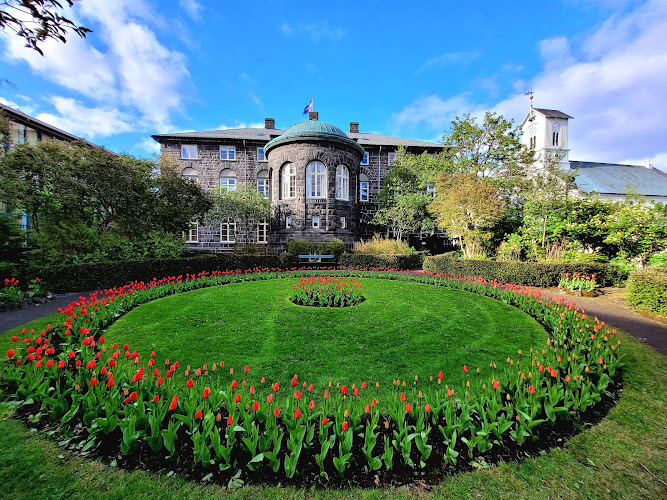
Reykjavík Art Museum Hafnarhús is Reykjavík’s contemporary-art museum in a converted 1933 harbour warehouse at Tryggvagata 17, in the Miðborg downtown harbour district of Reykjavík, Iceland. Opened as an art museum in 2000, Hafnarhús is one of the three venues of Reykjavík Art Museum and the principal place to encounter the city’s extensive Erró collection. Travelers come for the Icelandic pop artist’s dense, politically pointed collages, ambitious temporary exhibitions, and the contrast between experimental art and the building’s working-harbour industrial character.
What to Expect at Reykjavík Art Museum Hafnarhús
The museum’s defining collection is devoted to Erró, the Icelandic artist Guðmundur Guðmundsson, whose work draws on comic books, advertising, news imagery, science fiction and art history. His collage-based paintings pack competing figures, slogans and visual references into large, often satirical compositions. The dedicated Erró gallery changes selections regularly; the current programme includes Erró: Remix, with a selection from the Scapes series. It is a strong introduction to an artist whose career connects Iceland with the international Pop Art and Surrealist circles of the 20th century.
Hafnarhús is as much about the changing exhibition programme as its permanent holdings. Galleries present Icelandic and international contemporary art across painting, sculpture, moving image, photography, installation and performance. Raw concrete, broad circulation areas and tall former warehouse spaces give large-scale work room to breathe. Several galleries look onto an open internal courtyard, used for installations and public events, so allow time to explore beyond the Erró rooms and read the exhibition texts rather than treating it as a quick collection stop.
- Erró collection: Explore Reykjavík’s major holding of works by the internationally known Icelandic Pop artist.
- Erró: Remix: Look for rotating displays, including works from the artist’s Scapes series.
- Temporary exhibitions: Expect a changing calendar of Icelandic and international contemporary artists.
- 1933 warehouse architecture: Notice the concrete structure, high ceilings and utilitarian harbour-era proportions.
- Central courtyard: This open core hosts installations, talks and occasional public programmes.
- Three-museum ticket: Admission also covers Kjarvalsstaðir and Ásmundarsafn, making a wider Reykjavík art day straightforward.
Reykjavík Art Museum Hafnarhús at a Glance
| Detail | Information |
|---|---|
| Address | Tryggvagata 17, 101 Reykjavík, Iceland |
| Neighborhood / Area | Miðborg, beside the Old Harbour in central Reykjavík |
| Operating Hours | 10am–5pm daily; Thursdays 10am–10pm. Closed December 24, 25 and 31, and January 1. |
| Admission & Ticket Prices | Paid admission; current prices and online tickets are listed on the official Reykjavík Art Museum website. One ticket covers all three museum sites. |
| Recommended Visit Duration | 1 to 1.5 hours; allow longer for a guided tour or several temporary shows. |
| Nearest Transit / Parking | Hafnarhúsið and Old Harbour bus stops are nearby; paid street and harbour-area parking are available around Tryggvagata. |
| Official Website / Phone | artmuseum.is / +354 411 6410 |
Visiting Tips, Getting There & Nearby Pairings
Arrive close to the 10am opening for the clearest view of Erró’s detail-heavy paintings, or use the Thursday late opening for an unhurried evening visit. Buy tickets online through the museum before a summer visit, especially when cruise ships are in port, and check the exhibition calendar for gallery-specific tours, talks and family programmes. From the city centre, walk downhill along Lækjargata toward the harbour; the museum is roughly five minutes from Harpa and Reykjavík City Hall. Strætó stops near the waterfront make it easy to arrive without a car.
Hafnarhús has step-free access and elevators linking its gallery floors, making the principal exhibition spaces suitable for wheelchair users and strollers; ask the front desk for assistance with the building’s routes. The surrounding harbour pavement is generally level, though winter ice can make the walk from bus stops slower. Pair the museum with Harpa Concert Hall, the Old Harbour promenade and whale-watching departure area, all within about 5–10 minutes on foot. For food, continue west to the Grandi harbour dining district or east toward Austurstræti and Reykjavík’s central restaurant streets.
Frequently Asked Questions
What are the best hours to visit Hafnarhús?
Hafnarhús is open 10am–5pm every day and until 10pm on Thursdays. Weekday mornings offer time to focus on the Erró galleries before the busiest central-harbour period, while Thursday evening is useful for travelers fitting art around a daytime tour.
How much are tickets, and should I reserve ahead?
Admission is paid, with current rates and ticket options published on the official museum website. Reserve online when visiting in summer or on a cruise-ship day. Your museum admission also provides access to Kjarvalsstaðir and Ásmundarsafn.
How long should I budget for Reykjavík Art Museum Hafnarhús?
Budget 60–90 minutes for the Erró display and the temporary galleries. Allow two hours if you enjoy video art, want to attend a tour or event, or plan to study the exhibition texts and architecture at a slower pace.
Is Hafnarhús suitable for families and wheelchair users?
Yes. The spacious galleries, elevators and step-free principal route work well for wheelchairs, strollers and family groups. Erró’s colourful, comic-influenced imagery can be especially engaging for children, although temporary exhibitions may include video, sound or concepts aimed at adult audiences.
When planning your Reykjavik travel guide or comparing verified attractions and museums in Reykjavik, pair this stop with standout local spots including Sand Hotel by Keahotels, The House of Collections, Stefánsbúð, and Fish Company (nearby).