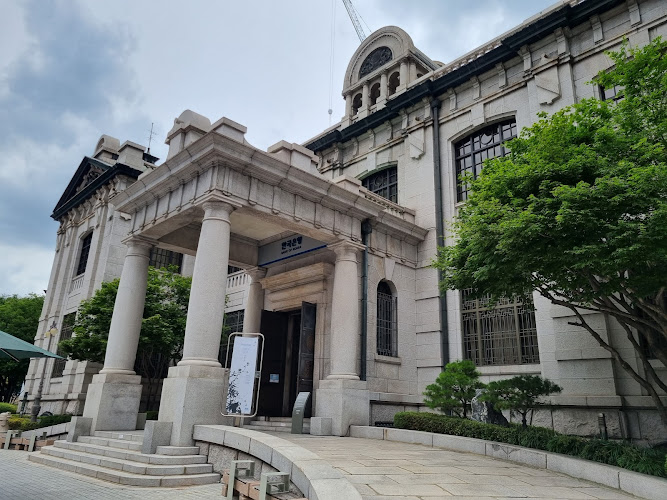
National Museum of Korean Contemporary History is a free national history museum at 198 Sejong-daero, Jongno District, Seoul, in the Sejongno–Gwanghwamun area. Opened on December 26, 2012, it occupies a renovated 1961 government office building formerly used by the Ministry of Culture, Sports and Tourism. Travelers come to understand Korea’s transformation through colonial rule, liberation, war, industrialization, and democratization, then look across Gyeongbokgung Palace from its rooftop garden.
What to Expect at National Museum of Korean Contemporary History
Start in the fifth-floor History Gallery, where the narrative runs from the late nineteenth century to contemporary Korea. Documents, photographs, news footage, household objects, and manufactured goods connect major political events with everyday experience. The Japanese colonial period, the independence movement, liberation in 1945, and the Korean War establish the background for the divided peninsula. Later displays examine export-led growth and the struggle for democratic government. English interpretation helps international visitors follow the chronology without needing a detailed grounding in Korean history.
The third-floor Experience Gallery takes a more participatory approach, exploring how different generations remember schooling, work, leisure, and social change. It offers a useful counterpoint to the document-heavy historical displays, particularly for families. The building itself retains the restrained, rectilinear character of postwar government architecture rather than palace-style ornament. Finish at the eighth-floor rooftop garden for views toward Gwanghwamun Gate, palace roofs, and Bugaksan mountain. Check the information desk for guided-tour schedules and audio-guide options; temporary exhibitions and educational activities change throughout the year.
- Fifth-floor History Gallery: Follow the chronology from late-Joseon reform debates through twentieth-century upheaval and contemporary society.
- Independence and liberation: Historical documents and images explain resistance to Japanese colonial rule and the significance of 1945.
- Everyday-life collections: Consumer goods, photographs, and audiovisual material show how economic development changed Korean homes and routines.
- Third-floor Experience Gallery: Interactive interpretation encourages visitors to compare the experiences and memories of different generations.
- Eighth-floor rooftop garden: Look over Gyeongbokgung toward the mountains that frame central Seoul, subject to weather and access restrictions.
National Museum of Korean Contemporary History at a Glance
| Detail | Information |
|---|---|
| Address | 198 Sejong-daero, Jongno District, Seoul 03141, South Korea |
| Neighborhood / Area | Sejongno, beside Gwanghwamun Square |
| Operating Hours | Monday, Tuesday, Thursday, Friday, Sunday: 10:00–18:00; Wednesday and Saturday: 10:00–21:00. Last admission 30 minutes before closing. Closed January 1, Seollal day, and Chuseok day. |
| Admission / Price Range | Free general admission; $ |
| Recommended Visit Duration | 1.5 to 2.5 hours |
| Nearest Transit / Parking | Gwanghwamun Station, Line 5, Exit 2; Gyeongbokgung Station, Line 3, Exit 6. Limited museum parking; paid Sejongno underground parking nearby. |
| Official Website & Phone | National Museum of Korean Contemporary History; +82 2-3703-9200 |
Visiting Tips, Getting There & Nearby Pairings
Arrive at 10:00 for a focused visit, or use Wednesday and Saturday evening opening to fit the museum around daytime sightseeing. Begin with the fifth-floor chronology, return to the interactive displays, and finish upstairs. General admission does not require a paid timed-entry ticket; organized activities may require separate registration. Use the museum shop for history-related publications and souvenirs. Follow photography signs in each gallery, especially around loans and temporary displays, and ask staff about lockers or storage before bringing bulky luggage upstairs.
Gwanghwamun Station’s Exit 2 is roughly five minutes away on foot; Gyeongbokgung Station’s Exit 6 is another convenient approach. Museum parking is limited, so the paid Sejongno underground car park is a practical alternative. The museum has step-free access, elevators between visitor floors, and accessible toilets; wheelchair and stroller users should choose station elevators rather than stair-only exits. Gwanghwamun Square is immediately outside, Gyeongbokgung’s main gate is about five minutes away, and Jogyesa Temple is approximately 10–15 minutes east on foot. Allow extra time at the broad road crossings.
Frequently Asked Questions
What are the opening hours and best visiting times?
The museum opens at 10:00 daily and closes at 18:00, extended to 21:00 on Wednesdays and Saturdays. Arrive at opening for an unhurried route; remember the three annual holiday closures and the admission cutoff 30 minutes before closing.
Is admission free, and do I need a reservation?
General museum admission is free, and individual visitors can ordinarily walk in. Check the official website before attending workshops, group programs, or special events, which can have separate registration arrangements.
How much time should I budget?
Allow 1.5 to 2.5 hours for the principal galleries and rooftop. Visitors who read closely or watch several historical films should leave additional time rather than rushing the final sections.
Is the museum accessible and suitable for children?
Elevators and accessible toilets support wheelchair visits, while the Experience Gallery offers families a more interactive introduction. War and political repression are serious subjects, so adults may want to guide younger children selectively through the historical displays.
When planning your Seoul travel guide or browsing verified history museum in Seoul, pair this stop with standout local spots including Olympic Park, Dongnimmun Arch (Independence Gate), Seoul City Wall Trail, and Gwanghwamun Square (0.2 km away).