Editorial disclosure: This destinations.ai guide was prepared with AI assistance and checked against the official sources linked below. Accommodation and activity placeholders may use affiliate links; that does not change the planning advice.
Seoul rewards you with layers: Joseon royal palaces beside office towers, late-night food stalls near quiet temple courtyards, and mountain trails that begin within the city. A well-paced visit works best when you group sights by neighborhood and leave room for long meals, café stops, and subway transfers.
This Seoul travel guide helps you plan a focused first visit with palace history, everyday food, practical transport, and time for the city’s newer creative districts.
Key Takeaways
- Plan at least three days for Seoul’s major districts and landmarks.
- Use a T-money card and the subway to keep travel efficient.
- Spring and autumn bring the most comfortable weather for walking.
Quick Answers and Trip Profile
Seoul is an energetic capital where you can combine heritage sightseeing, contemporary culture, shopping, food, museums, and outdoor time in one trip. You’ll get the most from the city by choosing a central base, using public transport, and limiting each day to one or two adjacent districts.
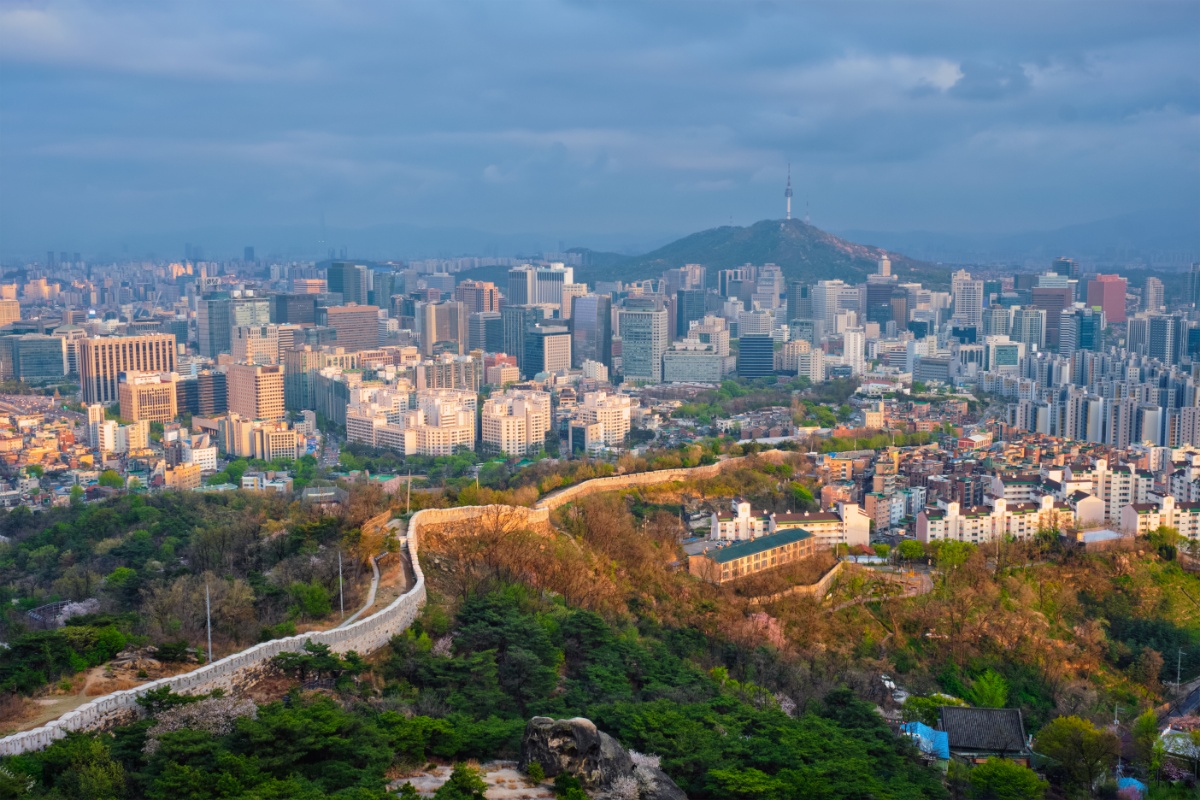
Seoul sits in northwestern South Korea along the Han River, with forested mountains framing much of the urban landscape. Its scale is considerable, so a map-based itinerary saves time: pair Gyeongbokgung Palace with Bukchon Hanok Village, or Hongdae with Yeonnam-dong, rather than crossing the city repeatedly.
English signs are common in subway stations and major visitor areas. Translation apps remain useful for neighborhood restaurants, market stalls, and smaller shops. Bring a payment card that works abroad, some Korean won for small purchases, and an eSIM or other reliable mobile data plan for navigation.
Is Seoul, South Korea Worth Visiting?
Seoul is worth visiting if you want a city break that balances Korean history with a fast-moving food, design, music, and shopping scene. You can walk through a royal palace in the morning, eat bibimbap or kalguksu for lunch, browse independent shops in Seongsu-dong, and end the evening along the Han River.
The city suits first-time visitors to South Korea because it has extensive transport, a broad accommodation range, and accessible entry points into Korean culture. If you have more time in the country, use Seoul as a base before continuing to places such as Busan, Gyeongju, Jeonju, or Sokcho; this guide to places to visit in South Korea helps you shape a longer route.
Best Things to Do in Seoul, South Korea
Seoul’s essential sights pair royal-era landmarks with markets, museums, viewpoints, and neighborhood walks. Give each place enough time to absorb its setting instead of treating it as a quick photo stop.
- Visit Gyeongbokgung Palace. The largest of Seoul’s Five Grand Palaces is a strong first stop for Joseon Dynasty architecture, mountain views, and palace grounds. Check current entry times and programs through the official Seoul visitor guide, especially on public holidays.
- Walk Bukchon Hanok Village with care. The lanes between Gyeongbokgung and Changdeokgung contain traditional hanok homes, many still occupied by residents. Keep your voice low, follow designated visitor routes, and don’t block doorways.
- Explore Changdeokgung Palace and its Secret Garden. The palace complex offers a more wooded, intimate atmosphere than Gyeongbokgung. Garden access and guided-entry arrangements change by season, so confirm details before your visit.
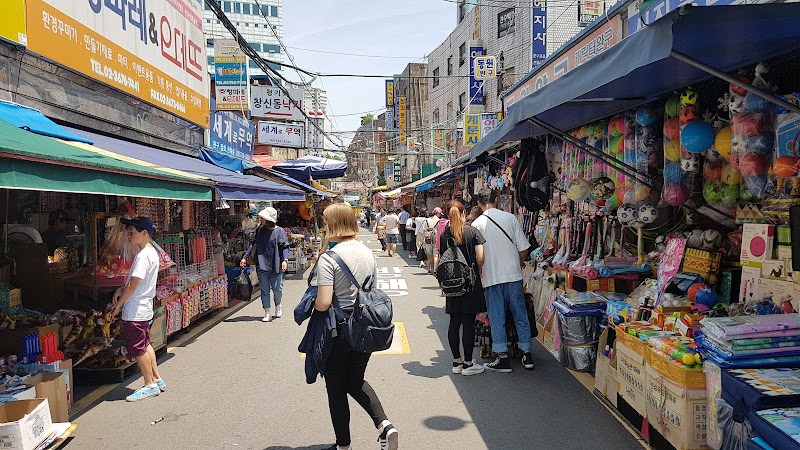
- Eat at Gwangjang Market. Try bindaetteok, mung-bean pancakes; mayak gimbap; tteokbokki; and knife-cut noodles. Visit with an appetite and carry cash for stalls that don’t accept cards.
- See the city from N Seoul Tower. The Namsan viewpoint is most rewarding near sunset, when daylight, mountain silhouettes, and the lit skyline share the view. Allow extra time for the uphill approach or cable-car queues.
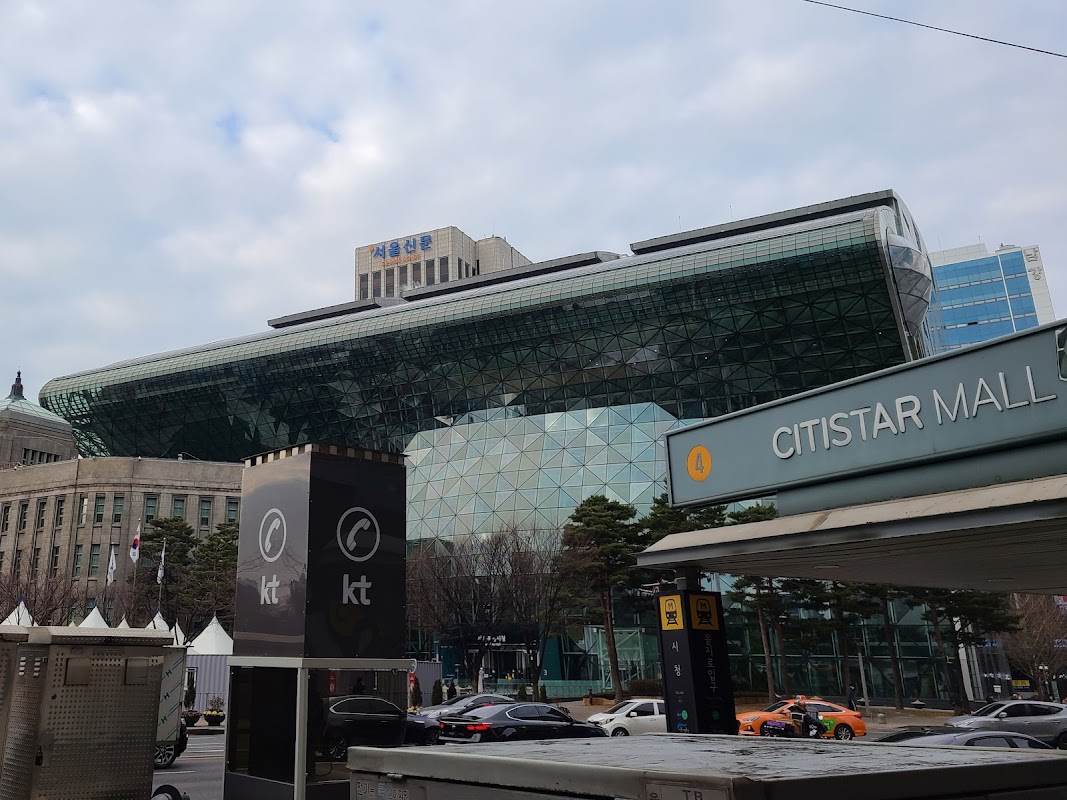
- Browse contemporary Seoul in Dongdaemun Design Plaza. Its futuristic curves and changing exhibitions make a good bridge between the historic city center and Dongdaemun’s retail streets.
- Visit a museum with context. The National Folk Museum of Korea helps you connect palace architecture with daily life, customs, and material culture.
- Spend an evening in Hongdae. Street performances, live music venues, casual restaurants, and cafés give this university-area district its late-running energy.
History, Culture, and Local Character
Seoul’s character comes from its long role as a royal capital and its rapid transformation into a global metropolis. You’ll see that history most clearly in the palace districts, city wall remnants, traditional neighborhoods, and museums.
The Joseon Dynasty established Seoul as its capital in 1394, shaping the palace complexes, administrative sites, gates, and ceremonial geography still visible today. Gyeongbokgung, Changdeokgung, Changgyeonggung, Deoksugung, and Gyeonghuigung form the core group of royal palaces worth planning around.
For a wider historical view, visit the Seoul Museum of History near Gyeonghuigung Palace. Its exhibitions place royal Seoul, colonial-era change, war, redevelopment, and contemporary city life in a useful sequence.
Korean etiquette is understated and respectful. Hand items, payment cards, and gifts with both hands when possible; use a slight nod in greetings; and wait for older diners to begin at shared meals when you’re with Korean hosts. Restaurant staff appreciate a polite “annyeonghaseyo” on arrival and “gamsahamnida” when you leave.
K-pop, Korean cinema, webtoons, fashion, beauty retail, and specialty coffee shape the city’s present-day identity. Explore them through neighborhoods such as Seongsu-dong, Hongdae, Apgujeong, and Gangnam, while keeping time for quieter places such as Jogyesa Temple and the streams around central Seoul.
Neighborhoods, Parks, and Outdoor Activities
Seoul is best explored as a collection of distinct neighborhoods connected by a powerful transit network. Choose districts according to your interests and walk them at a human pace.
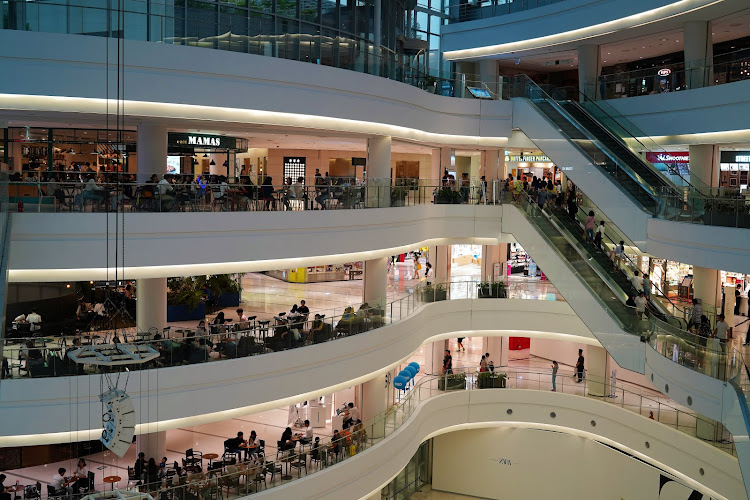
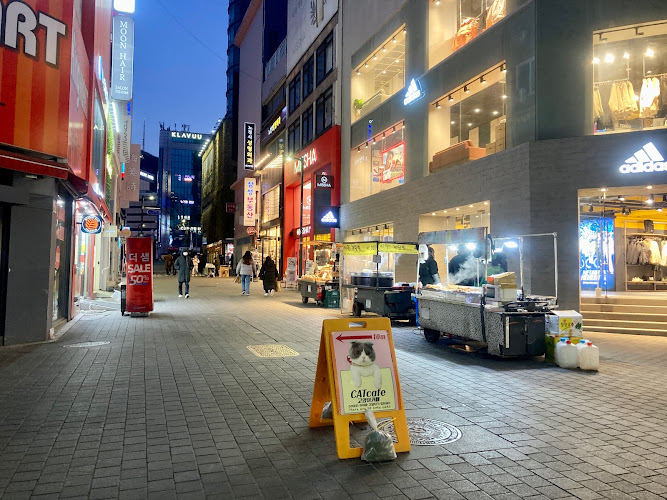
Insadong works well for traditional crafts, tea houses, galleries, and easy access to palace areas. Ikseon-dong, nearby, mixes renovated hanok lanes with cafés and small restaurants. Myeongdong focuses on cosmetics, department stores, street food, and convenient central accommodation.
Hongdae brings youthful nightlife and independent culture, while Yeonnam-dong offers leafy lanes and cafés along the Gyeongui Line Forest Park. Seongsu-dong is a good choice for converted industrial spaces, pop-ups, fashion, and coffee. Gangnam has large-scale shopping, business hotels, and nightlife.
For outdoor time, walk part of the Seoul City Wall or hike Namsan, Inwangsan, Bukhansan, or Bugaksan where access rules permit. Wear shoes with grip, carry water, and check weather conditions before setting out. Along the Han River, rent a bicycle, picnic, or join residents on wide riverside paths.
What Can Families Do in Seoul, South Korea?
Families have plenty of flexible options in Seoul, especially when you alternate museums and indoor activities with parks. Palace grounds give children room to move, while markets create easy opportunities to try small portions of Korean food.
The Seoul Children’s Museum and nearby Grand Children’s Park offer an easy family pairing. You can also visit the National Folk Museum of Korea, ride up Namsan, spend time by the Han River, or walk through the open lawns and sculpture areas of Olympic Park.
Plan frequent breaks during summer heat and winter cold. Strollers work well in major malls, newer museums, and many subway stations, though steep lanes in Bukchon and crowded markets call for a lighter carrier or compact stroller.
What Day Trips Can You Take From Seoul, South Korea?
Seoul offers rewarding day trips for history, hiking, coastal scenery, and a closer look at the Korean Peninsula’s division. Reserve transport and guided visits early on weekends, school holidays, and peak foliage periods.
The Korean Demilitarized Zone is the best-known option, with access controlled through approved tours and subject to security conditions. Bring your passport and confirm the operator’s requirements before paying.
Suwon is an excellent independent trip for Hwaseong Fortress, city-wall walks, and Korean fried chicken. Incheon’s Chinatown and waterfront areas offer an easy change of pace, while the garden city of Gapyeong provides access to Nami Island and rail-bike experiences. For hiking, Bukhansan National Park is close enough to feel like a city extension, though a full day gives you a less rushed route.
Where to Stay and What to Eat
Your best area to stay depends on how you want your evenings to feel and how much time you have. Central Seoul reduces transit time for palace districts and major markets, while Hongdae and Gangnam offer stronger nightlife and contemporary shopping.
Choose Myeongdong, Euljiro, or Jongno for your first trip if you want straightforward access to Gyeongbokgung, Insadong, Namdaemun Market, and subway connections. Euljiro suits you if you enjoy old alleys, casual dining, and creative bars. Jongno places you close to palaces and traditional neighborhoods.
Stay in Hongdae for music, cafés, youth culture, and an easy airport-rail connection. Choose Seongsu-dong for design-led shops and a slower local rhythm. Gangnam fits business travel, luxury hotels, and major retail; the Signiel Seoul is a prominent high-rise option in the Jamsil area.
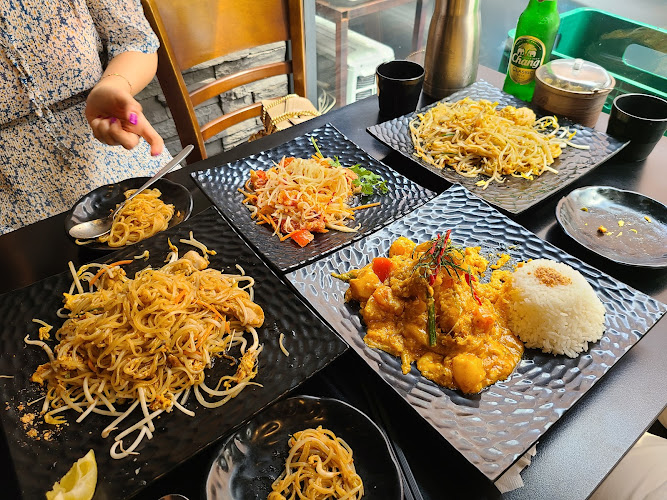
Build meals around dishes with clear regional and cultural roots:
- Korean barbecue, where you cook pork belly or beef at the table.
- Bibimbap, rice topped with vegetables, protein, egg, and gochujang.
- Samgyetang, a ginseng chicken soup popular in warm weather.
- Sundubu-jjigae, a spicy soft-tofu stew.
- Naengmyeon, chilled buckwheat noodles.
- Kalguksu, hand-cut noodle soup.
- Chimaek, Korean fried chicken served with beer.
Tipping isn’t a standard expectation in everyday restaurants. Follow staff guidance for shared grills, and use the call button at your table when one is provided.
How to Get There and Get Around
Seoul is easy to reach through Incheon International Airport and Gimpo International Airport, then straightforward to navigate by subway, bus, taxi, and walking. Mobile data and a loaded T-money card make the first day much smoother.
Plan your airport arrival around your accommodation district. Airport rail is efficient for central and western Seoul, while buses or taxis may be more convenient for hotels farther from a rail station or when you have bulky luggage.
How Do You Get to Seoul, South Korea?
Most international visitors arrive at Incheon International Airport, west of Seoul. Gimpo International Airport handles many domestic flights and some regional international services, making it convenient for connections within South Korea.
From Incheon, use AREX airport rail, an airport limousine bus, private transfer, or taxi. The best choice depends on your hotel location, arrival time, luggage, and group size. Check your accommodation’s nearest station before departure, since “central Seoul” covers a wide area.
You’ll need a valid passport and must meet South Korea’s entry requirements for your nationality. Visa policies and electronic travel authorization arrangements change, so check with your local Korean embassy or consulate before booking flights. The official Korea Travel Hotline information lists 1330 within South Korea and +82-2-1330 from abroad for 24-hour visitor assistance.
How Do You Get Around Seoul, South Korea?
The subway is the most reliable way to cover long distances in Seoul, with English station signs, numbered lines, and frequent service. Buy and load a T-money transit card at a convenience store or station, then tap in and out for subway and bus rides.
Use Naver Map or KakaoMap for walking directions and live public-transport routing. International map services may show limited walking or driving navigation in South Korea, so download a local app before arrival.
Taxis are useful late at night, during rain, or when you’re traveling with luggage. Enter your destination in Korean where possible, use the meter, and avoid any driver who won’t use it. Ride-hailing services offer another option, though account setup and payment features vary.
Seoul’s buses are extensive, with colors indicating broad route types. The subway is easier for your first few days; take buses once you’re comfortable reading live directions. Escalators and elevators are common in the network, though transfer passages at large stations can be long.
Best Time to Visit and Seasonal Planning
Spring and autumn give you Seoul’s best walking weather, seasonal color, and a full calendar of outdoor activity. April through May brings blossoms and fresh greenery, while September and October offer clearer air and autumn foliage.
Spring is popular around cherry-blossom season, so reserve central hotels early and expect crowds in Yeouido, Seokchon Lake, palace grounds, and major parks. Blossom timing shifts with weather each year, so it’s risky to book solely around a predicted peak date.
Summer is hot, humid, and rainy, especially during the monsoon period. Schedule museums, shopping, and cafés through the hottest part of the day, then use evenings for markets and riverside walks. A compact umbrella and breathable clothing are worth carrying.
Autumn suits palace walks, hiking, and photography around city-wall trails. Winter brings dry cold, shorter daylight, festive lighting, and fewer visitors at many sights. Pack insulated layers, gloves, and footwear suitable for icy pavements.
For a broader seasonal comparison, use this planning advice on the best time of year for a vacation alongside current Seoul forecasts. Check festival calendars and attraction notices close to departure, since dates, closures, and crowd patterns can change.
A Practical Two- or Three-Day Itinerary
A three-day Seoul itinerary gives you the strongest first visit, while two days works when you keep your route tightly clustered. Start early at palaces and markets, then reserve evenings for neighborhoods that stay lively after dark.
- Day One: Royal Seoul and central markets. Begin at Gyeongbokgung Palace, then walk to the National Folk Museum of Korea. Continue through Bukchon Hanok Village and Insadong for lunch, tea, or craft shopping. Finish at Gwangjang Market for dinner, then browse the lights and architecture around Dongdaemun Design Plaza.
- Day Two: Namsan, Myeongdong, and the Han River. Explore Deoksugung Palace and the surrounding historic center in the morning. Move through Myeongdong for lunch and shopping, then head to Namsan for a walk and N Seoul Tower viewpoint. If the weather is pleasant, end with a picnic or riverside stroll at a Han River park.
- Day Three: Modern Seoul. Spend the morning in Seongsu-dong for cafés, independent stores, and design spaces. Choose either Hongdae and Yeonnam-dong for live music and casual food, or Gangnam and Jamsil for large malls, COEX-area attractions, and lakeside walks.
For a two-day trip, follow Days One and Two. Choose a single evening district each night and avoid adding Gangnam to a palace-heavy day. Grouping your stops this way follows the same principle as a well-built trip itinerary: fewer cross-city transfers leave more time on the ground.
Costs, Safety, Accessibility, and Reservations
Seoul supports many budgets, from guesthouses and market meals to luxury hotels and tasting menus. Your largest variable costs are flights, accommodation, shopping, nightlife, and ticketed entertainment, while local transit and casual meals give you more flexibility.
Set your daily budget after choosing your hotel area. Central districts reduce time costs but command higher room rates during blossom season, autumn weekends, major concerts, and school holidays. Use a card for most payments, but retain a small cash reserve for market stalls or older businesses.
Seoul is widely regarded as a safe destination for visitors, with busy streets and strong late-night activity in central districts. Keep standard city precautions in mind: secure your belongings in crowded markets, use licensed taxis, avoid isolated paths after dark, and store your passport separately from daily cash.
Accessibility is improving across major transport hubs, museums, and malls. Confirm elevator access at your exact station, as old underground passages and hilly historic areas can add barriers. Contact accommodations directly about step-free entrances, adapted rooms, bathroom layout, and bed height.
Reserve popular palace tours, performance tickets, K-pop events, cooking classes, DMZ tours, high-end restaurants, and seasonal observatory slots before arrival. Check operating dates on official pages because public holidays and special events can affect access.
How Much Does a Trip to Seoul, South Korea Cost?
A Seoul trip can be affordable when you use public transit, eat at local restaurants, and choose guesthouses or mid-range hotels outside the most expensive dates. Flights and accommodation determine most of your total budget, especially for a short visit with limited flexibility.
Build your estimate in Korean won and check current exchange rates before departure. Include accommodation, airport transfer, local transport, meals, attraction tickets, data, travel insurance, and shopping. Leave extra room for cafés, skincare purchases, clothing, and market snacks, since these small expenses add up quickly.
Sources and Current Planning Links
Use official channels to confirm attraction schedules, entry requirements, safety notices, and transport changes before you travel.
- Check seasonal events, neighborhoods, food listings, and attraction notices through Seoul’s official tourism platform.
- Use the Seoul Metropolitan Government tourist guide for city information and visitor services.
- Consult the official Visit Seoul website guide for current planning tools and mobile-friendly visitor information.
- For broader trip organization, use these practical affordable travel planning ideas before setting your accommodation and activity budget.
Frequently Asked Questions
How many days in Seoul is enough?
Three full days gives you enough time for the palace district, central markets, Namsan, and one modern neighborhood such as Hongdae or Seongsu-dong. Add a fourth day if you want a DMZ visit, a museum-focused day, a hiking route, or unhurried shopping.
Is $1,000 enough for two weeks in South Korea?
A $1,000 budget supports two weeks only when flights are already covered and you use economical accommodation, local meals, and public transport. For a self-funded two-week trip that includes international flights and private hotel rooms, plan a higher budget and price each component before booking.
Is $100 a lot of money in South Korea?
US$100 is a meaningful amount for meals, local transport, and modest sightseeing in Seoul, especially when you avoid major shopping and upscale dining. It won’t cover a typical central hotel room plus a full day of activities, so treat it as a useful daily spending amount instead of a complete trip budget.
What are the key do’s and don’ts in Seoul?
Do learn a few Korean greetings, tap your T-money card correctly, queue patiently, and keep your voice low in residential hanok lanes. Don’t leave chopsticks standing upright in rice, tip automatically in ordinary restaurants, or photograph residents and private homes without permission.
What should first-time visitors reserve in advance in Seoul?
Reserve accommodation, airport transport for late arrivals, special palace or garden programs, DMZ tours, popular performances, and high-demand restaurants before you arrive. It’s wise to confirm each reservation shortly before your visit, since weather, public holidays, security rules, and venue policies can all affect schedules.
Affiliate placeholder: Compare accommodation options after checking the official property details, location, and cancellation terms.
Affiliate placeholder: Check current activity availability, meeting points, accessibility, and cancellation terms before reserving.