
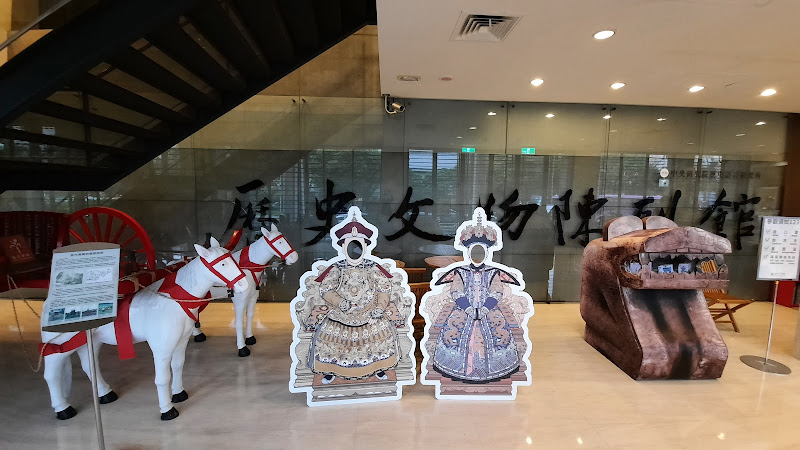
Museum of the Institute of History and Philology, Academia Sinica is a free research museum at No. 130, Section 2, Academia Road, Nangang District, Taipei City 115, on the Academia Sinica campus. Connected to the Institute of History and Philology, founded in 1928, it presents archaeological finds and documentary collections gathered through fieldwork in mainland China before 1949 and in Taiwan and Fujian thereafter. Travelers come for direct encounters with oracle bones, early Chinese bronzes, Han-period writing materials, archival records and ethnographic evidence rarely displayed in a conventional art museum.
What to Expect at Museum of the Institute of History and Philology, Academia Sinica
The displays explain how historians, archaeologists and linguists turn excavated objects into evidence. Start with the Longshan Culture material to see the refined black pottery associated with late Neolithic communities, then move to the Shang-dynasty oracle-bone holdings. Inscribed turtle plastrons and animal bones record divinations about weather, warfare, harvests and royal affairs; they are among the foundation texts for the study of China’s earliest writing. The current “Up Close with National Treasures” presentation features an inscribed deer skull, bringing its marks and scholarly significance into close focus.
Allow time for the document-rich galleries rather than treating the museum as a quick antiquities stop. The Inner Cabinet Grand Secretariat Archives illuminate Qing imperial administration through memorials and official paperwork, while rubbings preserve inscriptions from important stone monuments. The manuscript exhibition foregrounds rare handwritten books, and the forthcoming “The Way of Primary School: Literacy Education in the Han Dynasty through Han Slips” uses bamboo and wooden slips to explore learning and literacy. Displays change, so check the museum’s official exhibitions calendar before travelling.
- Oracle-bone inscriptions: Study Shang divination records carved on bone and shell, an essential source for early Chinese language and political history.
- Longshan Culture gallery: Examine archaeological material from the late Neolithic culture known for its distinctive black ceramics.
- Inner Cabinet archives: See selected Qing documents that reveal the mechanics of imperial government and record keeping.
- Monument-rubbing section: Compare ink rubbings made from inscribed stelae, preserving calligraphy and historical texts in reproducible form.
- Guided and audio interpretation: A Chinese on-site tour runs Saturdays at 2pm; Chinese and English group tours can be reserved, and audio-guide information is available through the museum.
Museum of the Institute of History and Philology, Academia Sinica at a Glance
| Detail | Information |
|---|---|
| Address | No. 130, Section 2, Academia Rd, Nangang District, Taipei City 115, Taiwan |
| Neighborhood / Area | Academia Sinica campus, Nangang District |
| Operating Hours | Wednesday, Saturday and Sunday, 9:30am–4:30pm; closed Monday, Tuesday, Thursday and Friday, plus national holidays, election days and consecutive holidays |
| Admission / Price Range | Free admission; $ |
| Recommended Visit Duration | 1.5 to 2 hours |
| Nearest Transit / Parking | Bus services to the Academia Sinica stop from Nangang and Nangang Exhibition Center MRT areas; campus parking availability is limited |
| Official Website & Phone | museum.sinica.edu.tw & +886 2 2652 3180 |
Visiting Tips, Getting There & Nearby Pairings
Arrive soon after the 9:30am opening for the quietest look at small inscriptions and archive cases. Entry is free and individual visitors do not need tickets, but arrange Chinese or English group guiding ahead, particularly for university classes and specialist groups. The galleries are enclosed: sanitize hands on arrival and consider wearing a mask. Non-flash photography is permitted in exhibition rooms; journalists or commercial crews must request permission in advance. The Saturday 2pm Chinese tour is a strong choice for Mandarin readers.
From MRT Nangang Station or Nangang Exhibition Center, take a bus signed for Academia Sinica and alight at the campus stop; the final approach is easier than walking the full route from the rail stations. Drivers should not assume space on campus, especially during Academia Sinica open-house events. The museum provides an accessible website, while visitors needing step-free building access, wheelchair assistance or lift details should call before departure. Pair the visit with the Museum of Ethnology, Academia Sinica nearby for Taiwan Indigenous and ethnographic collections, then walk to Hu Shih Memorial Hall, the former residence of the scholar and diplomat Hu Shih, also on Academia Road.
Frequently Asked Questions
When is the museum open, and when is the best time to go?
The museum opens Wednesday, Saturday and Sunday from 9:30am to 4:30pm. It closes for national holidays, election days and consecutive holiday periods, so verify the official calendar; opening time offers the most unhurried experience.
Does the Museum of the Institute of History and Philology charge admission?
Admission is free. Individual visitors may enter during opening hours, while groups seeking Chinese or English interpretation should reserve a guided visit through the museum.
How long should I budget for the collections?
Budget 1.5 to 2 hours for the principal archaeological and documentary galleries. Readers interested in oracle-bone scripts, Qing archives or stone rubbings can easily spend longer with the labels and changing displays.
Is the museum suitable for families and visitors with access needs?
Families with school-age children will find the writing, divination and excavation themes engaging, and the museum periodically runs hands-on learning activities. Photography must be without flash; call ahead for current physical-access arrangements or assistance needs.
When planning your Taipei travel guide or comparing verified attractions and museums in Taipei, pair this stop with standout local spots including National Taiwan Craft Research and Development Institute Taipei Branch, Chiang Kai-shek Memorial Hall, Sheraton Grand Taipei Hotel, and GRAND HILAI TAIPEI (2.1 km away).


