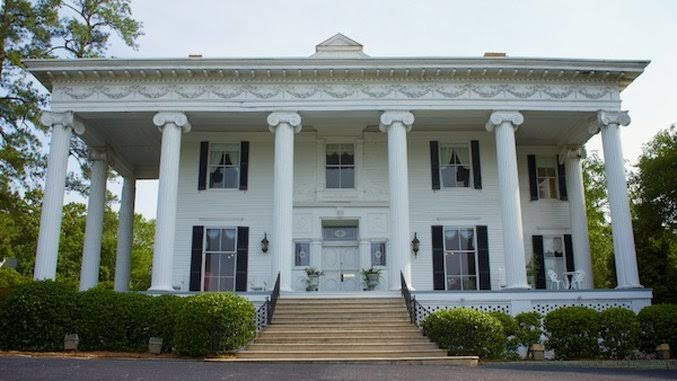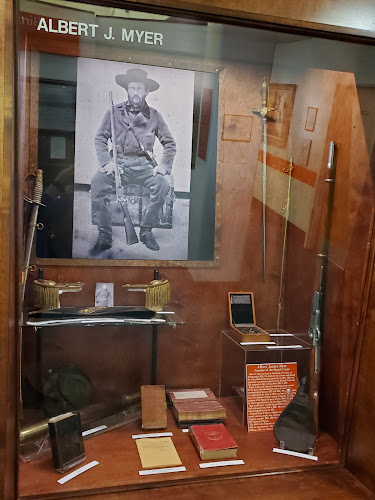
US Army Signal Corps Museum is a free military-history museum at 504 Chamberlain Ave, Building 29807, Fort Eisenhower, GA 30905, on the post formerly known as Fort Gordon southwest of Augusta. Established in 1974, it interprets the U.S. Army Signal Corps from its 1860 founding under Major Albert J. Myer through the electronic, satellite, and cyber-connected systems that shape military communications today. Travelers come for original equipment, uniforms, photographs, and an unusually clear account of how messages move across battlefields.
What to Expect at US Army Signal Corps Museum
The galleries follow communications technology chronologically, beginning with Myer’s Civil War-era visual signaling methods and the field telegraph. Look for signal flags, heliographs, switchboards, wire carts, early telephones, radio sets, and the tools required to string and maintain lines under combat conditions. The story places the Signal Corps at the center of aviation, military photography, weather observation, command-and-control, and the development of secure communications.
Later displays cover the global wars of the 20th century and the rapid shift from portable field radios to satellite and digital networks. Period uniforms, unit insignia, technical manuals, and archival images give context to the machines, while the displays explain the work of enlisted operators and officers rather than treating communications as a purely technical subject. The museum is a self-guided experience; check with staff on arrival about current tours, photography rules, and any gallery changes.
- Albert J. Myer and 1860 origins: Learn how the Army’s first Signal Officer established a dedicated communications branch before the Civil War.
- Visual signaling equipment: See the flags, lamps, and heliographs that carried messages before dependable radio communication.
- Field telegraph and telephone gear: Examine the apparatus used to build wired command links in demanding terrain.
- World War radio displays: Follow the progression from bulky wireless sets to more mobile tactical radios used overseas.
- Modern network history: Trace the path toward satellite communications, electronics, and the information systems associated with Fort Eisenhower.
US Army Signal Corps Museum at a Glance
| Detail | Information |
|---|---|
| Address | 504 Chamberlain Ave, Building 29807, Fort Eisenhower, GA 30905 |
| Neighborhood / Area | Fort Eisenhower cantonment, southwest of Augusta |
| Operating Hours | Monday–Friday, 9 a.m.–4 p.m.; closed federal holidays. Confirm before traveling, as post access and museum hours can change. |
| Admission / Price Range | Free admission; military-installation entry requirements apply. |
| Recommended Visit Duration | 1 to 1.5 hours |
| Nearest Transit / Parking | No practical fixed-route public-transit stop at the museum; free on-post parking is available near the building. Arrive through the public-access gate and Visitor Control Center as directed. |
| Official Website & Phone | U.S. Army Signal Corps Museum & +1 706-791-2818 |
Visiting Tips, Getting There & Nearby Pairings
The essential planning detail is access: this museum sits on an active U.S. Army installation, not on an open downtown street. Allow extra time for the Fort Eisenhower gate process, carry government-issued photo identification, and check the installation’s current visitor procedures before driving over. A weekday morning arrival is usually the most comfortable time to browse before lunch-hour activity. Admission is free, but a visitor pass is separate from museum entry and may involve vehicle and identity screening.
Drive rather than rely on public transit, and use the parking nearest Building 29807 after receiving gate instructions. The public gallery areas have a step-free entry and generally level circulation; accessible parking is available close to the building, though visitors needing individualized assistance should call ahead. Within a short walk on post, look for the Signal Towers, a reminder of the installation’s communications role, and the U.S. Army Cyber Center of Excellence area. The Fort Eisenhower Main Exchange and dining options are also close by; Augusta’s canal district and downtown museums are better paired by car after leaving the post.
Frequently Asked Questions
When is the US Army Signal Corps Museum open, and what is the best time to go?
The museum is generally open Monday through Friday from 9 a.m. to 4 p.m. and closes on federal holidays. Arrive near opening for the quietest galleries, while allowing additional time at the installation gate for visitor processing.
Does the museum charge admission or require reservations?
Admission is free and the museum is normally self-guided, so a museum reservation is not ordinarily required. Every non-credentialed visitor, however, must satisfy Fort Eisenhower access procedures; contact the museum or check the official Army page before setting out.
How long should I budget for a visit?
Plan on one to 1.5 hours for the chronological galleries, with extra time if military communications or Army history is a special interest. Add gate-processing time to the overall outing, particularly on a first visit to the installation.
Is the museum suitable for families and wheelchair users?
Families with older children and teens can engage with the hands-on-looking technology, uniforms, and wartime stories, although this is a focused history museum rather than a play space. The entrance and main exhibit circulation are step-free and level; call +1 706-791-2818 in advance for access support or questions about installation entry.
When planning your Augusta travel guide or comparing verified attractions and museums in Augusta, pair this stop with standout local spots including Grovetown Museum, The Boll Weevil Cafe and Sweetery, Augusta Museum of History, and The Chop House (7.4 km away).