Editorial disclosure: This destinations.ai guide was prepared with AI assistance and checked against the official sources linked below. Accommodation and activity placeholders may use affiliate links; that does not change the planning advice.
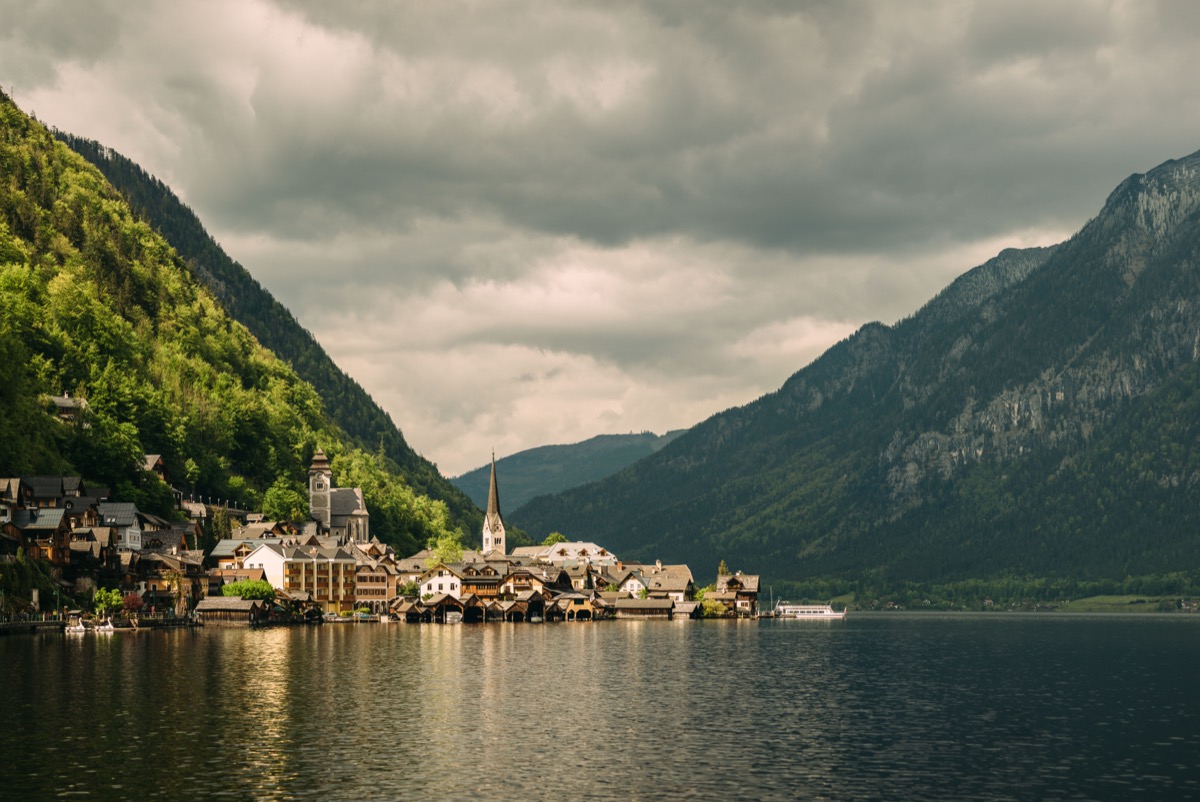
Hallstatt, a tiny lakeside village in Upper Austria’s Salzkammergut, is one of Europe’s most photographed places, with pastel Alpine houses, a slender church spire, and snow-capped peaks mirrored in the still waters of Lake Hallstatt.
Snap the iconic view from the classic photo point near the market square, descend into the Salzwelten salt mine, the world’s oldest, and ride the funicular to the Skywalk viewing platform high above town. Visit the eerie Ossuary Chapel with its painted skulls, and in summer take a flat-bottomed boat across the lake.
The best times to visit are spring and early autumn, when crowds and prices are lower; summer is busiest between 11am and 4pm, and winter turns the village into a snowy fairytale. Stay overnight to enjoy the quiet streets once the day-trippers leave; two days is plenty.
Affiliate placeholder: Compare accommodation options after checking the official property details, location, and cancellation terms.
Affiliate placeholder: Check current activity availability, meeting points, accessibility, and cancellation terms before reserving.
Sources and current planning links
Explore more destinations.ai travel guides when building a longer route.
How to plan a Hallstatt visit
Hallstatt is best planned as a small lakeside village with a high visitor load, not as a quick photograph between larger Austrian cities. Start early, stay overnight when you can, and build the day around the lake, historic center, viewpoints, and one confirmed heritage or mountain experience. The village is compact, but steep terrain, narrow lanes, limited parking, weather, and seasonal closures shape the real visit.
Hallstatt and the wider Dachstein Salzkammergut region publish current visitor information about transport, heritage attractions, salt-mine access, parking, and local rules. Check those details immediately before travel. The Salzwelten, funicular, Skywalk, boats, and mountain routes can have renovation or weather interruptions, so treat them as confirmed options only after checking the current operator notice.
What are the best things to do in Hallstatt?
Walk the historic lakeside center, see the classic market-square and church views, visit the Hallstatt Museum or Ossuary when open, and choose a lake or mountain activity that fits the conditions. Hallstatt’s beauty comes from the relationship between the water, steep mountains, old houses, salt history, and daily life. You do not need to chase every viewpoint to have a complete visit.
The waterfront and central lanes are the obvious starting point, but the village is also home to residents, businesses, and religious sites. Keep voices low, respect private property, and ask before photographing people or entering a church. Early morning offers softer light and a calmer walk; late afternoon can bring a different mood after many day visitors have left.
The salt story is central to Hallstatt’s identity. A salt-mine or high-valley visit can explain the region’s prehistoric and working heritage, but access changes with maintenance and weather. Confirm whether the mine, cable car, viewing platform, and associated exhibits are operating on your dates. If the attraction is closed, the museum, lakeside route, or a nearby regional site can still make the history tangible.
A boat ride or lakeside walk shows the village from a more generous distance. Check the current timetable, boarding point, weather policy, and last return. Swimming, paddling, and longer mountain routes require a separate safety and conditions check; cold water, steep terrain, and fast weather changes are not details to improvise around a camera.
Use the surrounding Salzkammergut for a second perspective on the region. Villages, lakes, salt heritage, viewpoints, and mountain paths can spread visitors beyond the narrowest center. Choose a legitimate local provider, confirm what is included, and avoid treating a fragile landscape as a set for staged photographs. The quieter parts of the region reward a slower eye.
Where should you stay in Hallstatt?
Stay in Hallstatt for early and late walks, in a nearby Salzkammergut village for easier parking and space, or in Salzburg when the visit is one day within a larger Austrian itinerary. An overnight in or near the village changes the experience more than another attraction added to a rushed schedule.
Check the exact arrival route, luggage access, stairs, parking, breakfast timing, lake or mountain views, air conditioning, and cancellation terms. Some properties have limited vehicle access or require a walk from a parking area. Ask how to reach the accommodation from the station, bus, or boat and whether luggage storage is available before check-in.
What should you eat in Hallstatt?
Eat in Hallstatt and the Salzkammergut for Austrian café breakfasts, lake fish where available, regional comfort food, pastries, and a warm meal that gives you time to look out at the water. Dining capacity is limited compared with the visitor demand, so check opening hours and reserve a special meal when necessary.
Plan food before a cable-car, boat, or long walk rather than assuming a restaurant will appear at the right moment. Ask about allergens, vegetarian options, kitchen hours, and payment methods. A picnic or bakery stop can be useful, but follow local rules about litter, wildlife, and where food is appropriate. Keep an evening meal flexible if weather delays your daytime route.
What is the best time to visit Hallstatt?
Spring and early autumn often bring a good balance of walking weather and lower demand, while summer has long days and lake activity and winter can bring snow with reduced services. Check the forecast, mountain conditions, attraction opening dates, and accommodation availability before choosing a trip. Hallstatt can be busy in every season.
Rain, fog, heat, snow, and wind each change the views and the safe route. Carry a waterproof layer and shoes with grip, and keep a museum or café plan for poor weather. If you are visiting during a holiday, market, or festival period, reserve early and confirm parking or coach restrictions. An old “best time” paragraph cannot replace a live notice.
How do you get around Hallstatt?
Walk within the center, use the current bus, train, or lake-boat connections for arrival, and follow designated parking and shuttle instructions rather than trying to drive into restricted streets. The train station sits across the lake from the village, so check the current boat connection and final luggage route before you arrive.
Hallstatt’s scale does not make every route effortless. Hills, stairs, uneven paving, umbrellas, and crowds affect travelers with luggage, strollers, or mobility needs. Ask accommodation and attractions about step-free access, bathrooms, drop-off, and seating. Never block a resident’s entrance or stop in a road for a photograph. A patient arrival is part of the visit.
Is Hallstatt good for families and accessible travel?
Hallstatt can work for families when the plan is short and scenic: a lakeside walk, one confirmed museum or mine alternative, a meal, and time to rest. Children may enjoy boats, water, mountains, and the salt story, but narrow paths, stairs, cold water, and crowds require attention. Check age limits and equipment rules for every activity.
Accessibility varies sharply between modern transport, historic buildings, hill routes, boats, and village lanes. Ask for precise details about ramps, lifts, surfaces, accessible toilets, transfer distance, and weather alternatives. A stroller-friendly waterfront section may not lead to an accessible viewpoint. Choose the route that leaves everyone comfortable rather than forcing the iconic angle.
A practical two-day Hallstatt itinerary
Two days gives you one village-and-lake day and one heritage or regional day, with enough margin for weather and changing attraction access. A day trip can work, but an overnight is better for the village’s quieter edges.
- Day one morning: Arrive early, settle luggage, and walk the waterfront, market square, church area, and current photo viewpoints respectfully.
- Day one afternoon: Visit the museum or a confirmed salt and mountain experience, then return for a slow lakeside meal.
- Day two: Choose a boat, a manageable local walk, or a nearby Salzkammergut attraction after checking weather, transport, and opening arrangements.
What day trips work from Hallstatt?
Salzburg, Bad Ischl, Dachstein, and other Salzkammergut lakes can extend a Hallstatt itinerary, but each addition needs a current train, bus, boat, road, and weather check. Choose one direction instead of trying to see several Alpine communities in a single day. Confirm the last connection before booking a dinner or flight.
Hallstatt is most memorable when visitors give it space and respect. Check the official regional information below, spend with local businesses, and let the water, mountains, history, and ordinary life shape a visit that does not ask a small village to perform on demand.
For a longer regional route, compare Salzburg, Austria, Vienna, Austria, Munich, Germany with this destination before finalizing your itinerary.
Frequently asked questions
What is Hallstatt, Upper Austria best known for?
Hallstatt, a tiny lakeside village in Upper Austria's Salzkammergut, is one of Europe's most photographed places, with pastel Alpine houses, a slender church spire, and snow-capped peaks mirrored in the still waters of Lake Hallstatt.
When is the best time to visit Hallstatt?
Visit the eerie Ossuary Chapel with its painted skulls, and in summer take a flat-bottomed boat across the lake.
How many days should you spend in Hallstatt?
Plan about 3 days for a first visit, then add time if you want to explore beyond the central sights.
How should you get around Hallstatt?
The village is compact, but steep terrain, narrow lanes, limited parking, weather, and seasonal closures shape the real visit.
What should you book ahead in Hallstatt?
Dining capacity is limited compared with the visitor demand, so check opening hours and reserve a special meal when necessary.
Explore Hallstatt by Category: Discover top curated spots across Hallstatt Attractions & Sightseeing, Best Places to Stay in Hallstatt, Hallstatt Restaurants & Dining.