Editorial disclosure: This destinations.ai guide was prepared with AI assistance and checked against the official sources linked below. Accommodation and activity placeholders may use affiliate links; that does not change the planning advice.
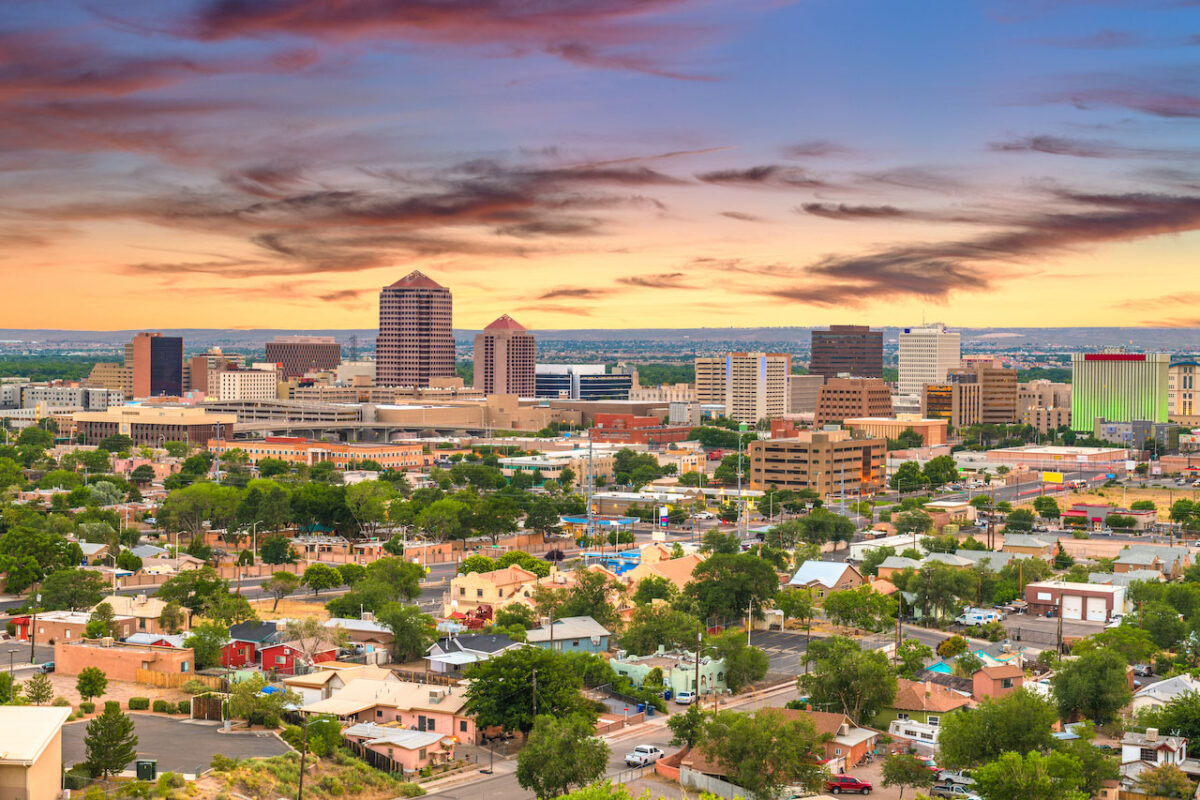
Albuquerque, New Mexico, sits where the Rio Grande valley meets the Sandia Mountains, giving you a city break with adobe history, Indigenous culture, Route 66 character, high-desert trails, and serious New Mexican food.
You can see Albuquerque’s essential sights in two full days, while three days gives you room for a mountain outing, a museum-focused afternoon, or a day trip beyond the city. Plan around Old Town, the Sandia Peak Tramway, Petroglyph National Monument, and a meal centered on red or green chile.
The city is spread out, so a rental car makes sightseeing far easier. Build outdoor plans for early morning or late afternoon, carry water at Albuquerque’s elevation, and reserve high-demand attractions or Balloon Fiesta lodging well ahead.
Key Takeaways
- Stay near Old Town, Nob Hill, Downtown, or the Northeast Heights based on your priorities.
- Visit in spring or fall for comfortable sightseeing weather and clear mountain views.
- Use a car for the most flexible access to trails, museums, and nearby pueblos.
Quick Answers and Trip Profile
Albuquerque works best for a two- to three-day trip focused on Southwestern culture, mountain scenery, museums, and regional cuisine. You’ll find the largest city in New Mexico at roughly 5,300 feet in the high desert, with the Sandia Mountains rising along the eastern edge and the Rio Grande bosque running through the valley.
- Best for: Couples, families, road trippers, food-focused travelers, and outdoor enthusiasts.
- Ideal trip length: Two full days for city highlights; three days for a slower pace or a day trip.
- Main airport: Albuquerque International Sunport.
- Best transportation: Rental car, with rideshare useful for evenings and central neighborhoods.
- Signature experiences: Old Town, Sandia Peak Tramway, Petroglyph National Monument, Indian Pueblo Cultural Center, and New Mexican chile dishes.
Albuquerque rewards you when you treat it as a place with distinct districts instead of one compact downtown. Old Town and the Sawmill District make an easy cultural cluster, while Nob Hill and Central Avenue give you a strong Route 66 and dining base.
Use the city’s Albuquerque destination guide to orient yourself before booking lodging.
Best Things to Do in Albuquerque
Albuquerque’s strongest attractions combine living cultural traditions, historic places, high-desert landscapes, and hands-on family stops. Give each major area enough time, since the city’s most memorable sights sit several miles apart.
What Are the Top Things to Do in Albuquerque?
Start in Old Town Albuquerque, the historic heart of the city founded in 1706. Walk around Plaza Don Luis, see San Felipe de Neri Church from the outside or during public visiting hours, and browse galleries and shops that focus on regional art, jewelry, and crafts.
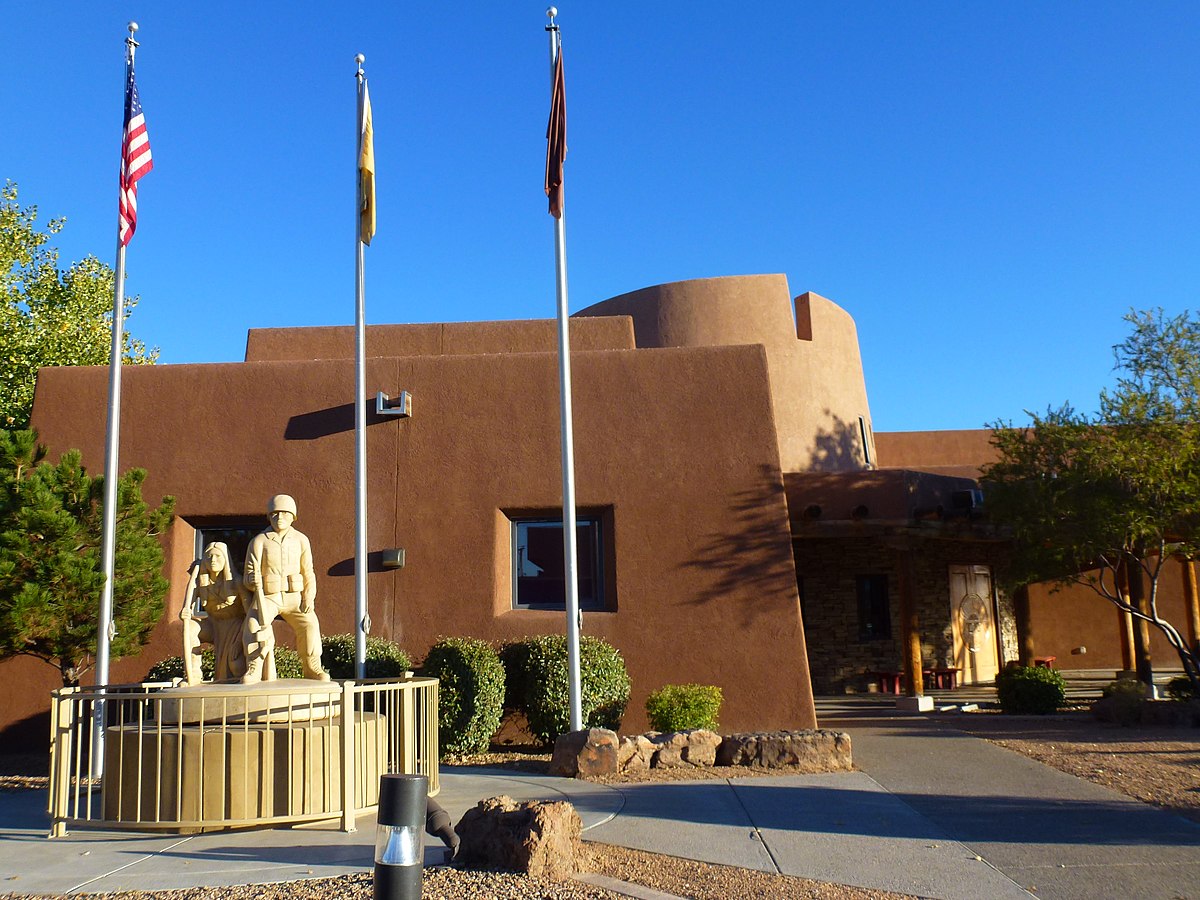
Visit the Indian Pueblo Cultural Center for a more grounded introduction to the region’s 19 Pueblo communities. Its exhibits place Pueblo history, art, and contemporary life in context, and its cultural programming varies by season.
Ride the Sandia Peak Tramway when mountain visibility is good. The tram climbs from the foothills to Sandia Peak, where you can look across Albuquerque, the Rio Grande Valley, and distant volcanic landscapes.
Check operating conditions before leaving your hotel because weather and wind affect service.
Petroglyph National Monument is essential if you want to see volcanic escarpment terrain and ancient rock imagery. Boca Negra Canyon offers some of the most accessible trails and petroglyph viewing, while Rinconada Canyon and Piedras Marcadas Canyon offer longer walks.
Treat the carvings as cultural resources: stay on marked paths and never touch the rock art.
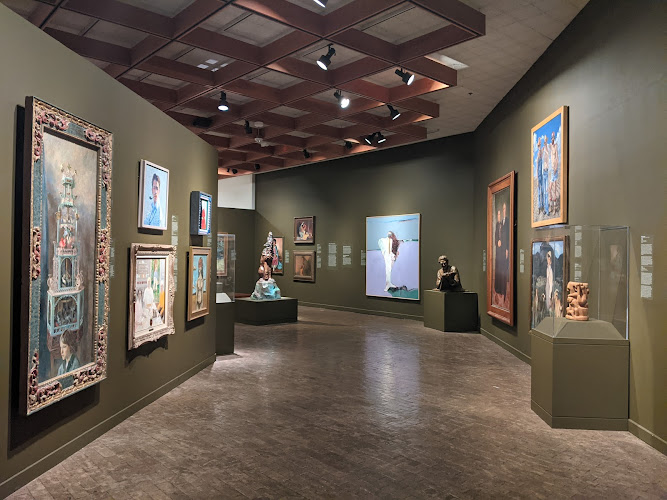
Round out your sightseeing with the Albuquerque Museum, the National Museum of Nuclear Science & History, or the Anderson Abruzzo Albuquerque International Balloon Museum. The Balloon Museum provides useful context even if your visit falls outside balloon season.
What Can Families Do in Albuquerque?
Families have a reliable full day at the ABQ BioPark, whose Zoo, Botanic Garden, Aquarium, and Tingley Beach facilities suit different ages and energy levels. Check each venue’s admission policy and hours before you go because ticketing and seasonal schedules change.
Explora Science Center and Children’s Museum gives children active, hands-on exhibits near Old Town. Pair it with the New Mexico Museum of Natural History and Science, where dinosaurs, fossils, and space-focused displays make an easy indoor plan during summer heat or winter weather.
For outdoor time, choose a short Boca Negra Canyon walk, a picnic at Tingley Beach, or a ride on the Sandia Peak Tramway if your children are comfortable with heights. Bring sun protection, filled water bottles, and a light layer because temperatures shift quickly between the valley and the mountains.
What Day Trips Can You Take From Albuquerque?
Santa Fe is the most substantial day trip, with the Plaza, Canyon Road galleries, museums, and historic districts roughly an hour north by car in normal conditions. Leave early if you want time for both museums and meals, and consider the Rail Runner for a car-free option when its schedule fits your plans.
Jemez Springs and the Jemez Mountain Trail offer volcanic scenery, forest drives, hot springs area services, and access to historic sites. Road conditions and seasonal closures require a check before departure, especially after storms.
For a closer outing, drive the Turquoise Trail toward Madrid and Cerrillos. The route offers a slower, scenic connection between Albuquerque and Santa Fe, with small-town galleries and open views.
If your wider trip includes more landscapes, add ideas from these best places to visit in New Mexico to your route.
History, Culture, and Local Character
Albuquerque’s identity comes from Pueblo, Hispanic, Mexican, Anglo, and contemporary communities whose histories are visible in its architecture, food, public art, and annual events. Approach cultural sites with care: Pueblo communities are living sovereign nations, and ceremonies or sacred places have their own visitor protocols.
Old Town presents Spanish colonial-era street patterns and adobe forms, while the Indian Pueblo Cultural Center provides a stronger starting point for learning about Pueblo peoples and their continuing cultural presence.
The National Hispanic Cultural Center adds visual art, performances, and exhibitions that deepen your view of New Mexico’s Hispanic heritage.
Central Avenue traces much of historic Route 66 through the city. You’ll see neon signs, mid-century motels, diners, and Nob Hill storefronts along the corridor.
Build time for a short walk near sunset, when the street’s historic signage and storefronts are easiest to appreciate.
Food carries local character more directly than almost any museum label. Order enchiladas, posole, carne adovada, sopaipillas, or breakfast burritos, then choose red chile, green chile, or “Christmas” for both.
Chile heat varies widely by kitchen and harvest, so ask your server for guidance if you prefer mild dishes.
Neighborhoods, Parks, and Outdoor Activities
Albuquerque gives you several useful visitor bases, each with a different balance of walkability, dining, museums, and road access. Pick your neighborhood before planning daily routes, since crossing the city repeatedly consumes valuable sightseeing time.
- Old Town and Sawmill District: Best for historic sites, museums, plaza walking, and first-time visits.
- Downtown: Best for events, nightlife, the Alvarado Transportation Center, and central access.
- Nob Hill: Best for Central Avenue, independent restaurants, coffee shops, and Route 66 atmosphere.
- Northeast Heights: Best for foothill access, quieter lodging, and proximity to the tramway.
- North Valley: Best for a greener, more residential setting near the bosque and river trails.
For outdoor activity, hike at Petroglyph National Monument, explore Elena Gallegos Open Space at the base of the Sandias, or walk and cycle the Paseo del Bosque Trail along the Rio Grande. The bosque is especially pleasant in cooler months and early daylight hours, when birdlife is active and summer temperatures remain manageable.
Sandia foothill trails require basic desert preparation. Carry more water than you expect to drink, use sun protection, share your route with someone, and turn around before afternoon thunderstorms build in summer.
Mountain weather changes faster than conditions in the city. Choose established trails and marked open-space routes if you’re new to high-desert hiking.
Your national-park itinerary can also expand through this guide to national parks in New Mexico.
Where to Stay and What to Eat
Your best Albuquerque stay matches the geography of your plans, while your meals should include both classic New Mexican cooking and the city’s growing range of breweries, bakeries, and contemporary restaurants. Reserve early during major events, university weekends, and October Balloon Fiesta dates.
Where Should You Stay in Albuquerque?
Stay in Old Town or the Sawmill District if you want historic atmosphere and easy access to museums, the plaza, and family attractions. This area works well for a first visit because you can walk to several sights and drive easily to the tramway or Petroglyph National Monument.
Choose Nob Hill if dining, local shops, and Central Avenue appeal to you. The district feels livelier in the evening and sits near the University of New Mexico, though you’ll still want a car for most major attractions.
Downtown suits you for events, rail access, and a central location. The Northeast Heights works well when you want proximity to the Sandia foothills, easier parking, and a quieter overnight setting.
Compare location and amenities through these best hotels in Albuquerque options before committing to a neighborhood.
For food, seek out a traditional New Mexican restaurant for chile-smothered enchiladas or carne adovada, then balance that meal with a casual breakfast burrito, bakery stop, or seasonal farmers market.
Ask whether chile is made from the current crop and how the kitchen handles heat levels. That small question helps you order confidently.
How to Get There and Get Around
Flying into Albuquerque International Sunport and using a rental car gives you the most efficient trip. The airport is close to central Albuquerque, while attractions such as the Sandia foothills and Petroglyph National Monument are far enough apart to make point-to-point transit slow.
How Do You Get to Albuquerque?
Fly into Albuquerque International Sunport, the city’s commercial airport, then arrange a rental car, rideshare, taxi, or hotel shuttle as available. Check your airline’s current schedule and your lodging’s airport-transfer policy before arrival.
You can also reach Albuquerque by road on Interstate 25 or Interstate 40. I-25 connects Albuquerque with Santa Fe to the north and Las Cruces to the south; I-40 follows the east-west Route 66 corridor across much of New Mexico.
Amtrak and New Mexico Rail Runner Express service provide alternatives for selected routes. The Downtown Alvarado Transportation Center functions as the local hub for train and bus connections, as noted in official Albuquerque transportation guidance.
How Do You Get Around Albuquerque?
A rental car is the most practical way to get around Albuquerque, especially for the tramway, trailheads, and day trips. Keep valuables out of sight, use well-lit parking areas, and allow extra driving time around major events.
ABQ RIDE buses serve many local corridors, including Albuquerque Rapid Transit service along Central Avenue. Use the City of Albuquerque’s bus routes, trip-planning tools, airport information, and SunVan details to confirm current schedules and accessible transportation options.
Rideshare works well for a dinner in Nob Hill or Downtown when you prefer to leave your car parked. Walking is best within Old Town, Nob Hill, Downtown, and individual attraction districts.
Bike riding is rewarding on the Paseo del Bosque Trail, though city streets vary considerably in bike infrastructure and traffic comfort.
Best Time to Visit and Seasonal Planning
April through May and September through October offer the best balance of comfortable daytime conditions for Albuquerque sightseeing. The high-desert climate brings strong sunshine, low humidity, and pronounced temperature changes after sunset.
What Is the Best Time to Visit Albuquerque?
October is the best month if you want the Albuquerque International Balloon Fiesta and crisp fall conditions, while May offers pleasant sightseeing weather with fewer event-driven hotel pressures. The Balloon Fiesta creates major demand for rooms, rental cars, and tramway tickets, so book well ahead if the event anchors your trip.
Summer brings long daylight and warm conditions for mountain outings, though midday heat and monsoon thunderstorms mean outdoor plans need some flexibility. Start hikes early, and watch the forecast closely before heading into the Sandias.
Winter brings quieter museums, lower visitor volume outside holiday periods, and occasional snow in the foothills. Albuquerque’s official seasonal overview describes four distinct seasons, dry conditions, and about 310 days of sunshine each year.
Pack layers in every season, including a warm outer layer for sunrise balloon watching or a tramway ride.
A Practical Two- or Three-Day Itinerary
A well-paced Albuquerque itinerary groups sights by area and saves mountain activities for clear weather. Keep one block of unscheduled time for a long lunch, a museum that holds your attention, or an unexpected weather shift.
What Is a Good Two- or Three-Day Albuquerque Itinerary?
Day 1: Begin in Old Town with the plaza and San Felipe de Neri Church area. Visit the Albuquerque Museum or Explora, have lunch nearby, then spend the afternoon at the Indian Pueblo Cultural Center.
Finish in Nob Hill or Downtown for dinner along Central Avenue.
Day 2: Go to the Sandia Peak Tramway early, provided conditions are clear and operations are confirmed. Spend the afternoon at the National Museum of Nuclear Science & History or ABQ BioPark, then choose a restaurant known for New Mexican dishes.
Day 3: Walk a Petroglyph National Monument trail in the morning, when the volcanic terrain is cooler. Use the afternoon for the National Hispanic Cultural Center, a bosque bike ride, or a drive along the Turquoise Trail.
Santa Fe works as a full-day substitute if you prefer galleries and colonial history.
For a two-day visit, combine Old Town and the Indian Pueblo Cultural Center on your first day, then pair the tramway with either Petroglyph National Monument or a museum on your second. Avoid packing the tramway, lengthy hikes, and distant cultural sites into one day.
Costs, Safety, Accessibility, and Reservations
Albuquerque can fit a range of budgets, though flight prices, hotel rates, rental cars, and Balloon Fiesta demand determine the largest share of your trip cost. Set your lodging area first, then calculate transportation and paid attractions around it.
How Much Does a Trip to Albuquerque Cost?
Your trip cost depends most on season, room type, vehicle choice, and how many paid attractions you select. Hotel and flight prices rise around the Balloon Fiesta and popular holiday weekends, while museum admissions, tramway tickets, and attraction packages change over time.
Use free or low-cost activities to control daily spending: Old Town walking, the Paseo del Bosque Trail, selected open-space hikes, and scenic drives add substantial value. Check combined-ticket options for ABQ BioPark venues if you plan to visit more than one facility.
Build a daily food budget that allows for at least one sit-down New Mexican meal. Breakfast burritos, food halls, bakeries, and casual counter-service restaurants offer flexible alternatives during museum and hiking days.
For broader planning habits, use these affordable travel planning strategies before you lock in dates.
What Should You Know About Safety, Accessibility, and Reservations?
Use standard city awareness in Albuquerque: stay attentive in parking lots, secure belongings in your vehicle, and favor busy, well-lit routes after dark. Downtown and Central Avenue feel different block by block, so ask your hotel which walking routes suit your evening plans.
Accessibility varies by historic site and trail. Old Town has uneven surfaces, Petroglyph National Monument includes unpaved and rocky terrain, and mountain sites involve altitude and changing weather.
The City’s SunVan paratransit information and bus trip planner are listed with its current transportation resources.
Reserve Balloon Fiesta lodging months ahead, and purchase timed tickets or confirm availability for the Sandia Peak Tramway when dates are firm. Verify museum hours, attraction admission rules, trail conditions, and weather on the day of your visit.
Carry water, medications, sun protection, and a charged phone for every outdoor excursion.
Sources and Current Planning Links
Use current official information before finalizing bookings, especially for operating hours, event access, weather conditions, trail closures, and transportation schedules.
- Official Albuquerque trip-planning information
- Official Albuquerque Visitors Guide request and pickup details
- Albuquerque travel-planning resources
- Albuquerque destination background and travel context
- Current traveler attraction listings and reviews
- Seasonal visit-planning guidance
Frequently Asked Questions
Is Albuquerque worth visiting?
Albuquerque is worth visiting if you want a compact Southwestern city trip with Pueblo and Hispanic cultural institutions, mountain scenery, historic neighborhoods, and distinctive food. You’ll get the most from it by staying at least two full days and using a car for attractions beyond the central districts.
What are the top five things to do in Albuquerque, New Mexico?
The top five are Old Town, the Indian Pueblo Cultural Center, Sandia Peak Tramway, Petroglyph National Monument, and the ABQ BioPark or a museum matched to your interests. Add the Balloon Museum when hot-air-balloon history interests you or your trip overlaps with the Albuquerque International Balloon Fiesta.
How many days do you need to see Albuquerque?
You need two full days to see Albuquerque’s core attractions at a reasonable pace. Three days gives you time for a longer hike, the BioPark, Santa Fe, the Turquoise Trail, or deeper museum visits without rushing.
What areas should visitors avoid in Albuquerque?
You should avoid isolated streets, poorly lit parking areas, and unfamiliar parts of the city late at night. Choose active routes around Downtown and Central Avenue after dark, keep your vehicle empty of visible belongings, and follow guidance from your lodging for the immediate area.
What is the best month to visit Albuquerque?
October is the best month for many visitors, thanks to mild fall weather and the Albuquerque International Balloon Fiesta. May is an excellent alternative, with pleasant conditions for outdoor sightseeing and lower lodging demand than during Fiesta season.
Affiliate placeholder: Compare accommodation options after checking the official property details, location, and cancellation terms.
Affiliate placeholder: Check current activity availability, meeting points, accessibility, and cancellation terms before reserving.
Explore Albuquerque by Category: Discover top curated spots across Albuquerque Attractions & Sightseeing.