Plantação Ananases A Arruda is a working pineapple plantation in Fajã de Baixo, just outside central Ponta Delgada on São Miguel. Its distinctive low glasshouses shelter rows of spiky plants at different stages of growth, turning an everyday agricultural business into one of the island’s most approachable heritage stops. The visit is compact, visual and unusually revealing: this is not a tropical field but a carefully managed glasshouse landscape shaped by the Azores’ mild, maritime climate.
Visitors come to understand why São Miguel pineapple is so singular, to see fruit developing above the plants, and to sample pineapple liqueur made to the Arruda family’s recipe. The plantation has welcomed visitors since 1919, yet its strongest appeal is still the living crop rather than a staged museum display. It is an easy, low-cost-feeling addition to a Ponta Delgada day, especially for families, food-minded travelers and anyone curious about the island beyond volcanic scenery.
Standout Highlights & What Not to Miss
The experience works best when treated as a short agricultural walk rather than a major all-day attraction. Pause at the growing areas instead of rushing to the shop: the contrast between young plants, flowering specimens and plants carrying fruit makes the long production cycle easier to grasp. Signage and the sequence of glasshouses provide the essential story, while the atmosphere—warm, humid, earthy and faintly sweet—does much of the rest.
- Glasshouse cultivation: Look closely at how pineapples are raised under glass, a defining local method that differs sharply from the open-air plantations many visitors expect.
- The full growth story: Compare plants at several stages and allow time to absorb the roughly two-year journey from planting to harvest.
- Flowering technique: Learn about fumo, the controlled use of smoke to encourage more synchronized flowering and a more uniform harvest.
- Pineapple liqueur tasting: Adults can try the plantation’s signature pineapple liqueur, a memorable way to connect the crop with a local finished product.
- Refreshments and small gifts: Leave room for pineapple-based drinks or treats and browse local handicrafts if you want a practical edible souvenir rather than generic island merchandise.
Visitor Strategy & Planning Snapshot
| Planning Factor | What to Expect | Practical Strategy |
|---|---|---|
| Ideal Arrival Window | Light is gentler and the glasshouses can feel calmer earlier in the day; conditions inside may feel warm. | Visit in the morning or make it a mid-afternoon stop between city sights and dinner. |
| Typical Time Needed | A focused visit generally takes 45 to 60 minutes, including time for the growing displays and refreshments. | Allow an hour if you want to browse, taste and photograph without hurrying. |
| Booking / Queue Reality | Admission is free and the visit is generally self-paced, but popular travel periods can bring more people to the shop and tasting area. | Build in a little flexibility; arrive before a tour-heavy part of the day if a quieter look matters. |
| Terrain & Accessibility | Glasshouse entrances and working growing aisles require careful navigation, with agricultural surfaces and tighter passages. | Wear stable shoes and contact the plantation ahead if you need step-free routing or accessible-toilet details. |
| Weather / Seasonal Fit | The covered setting makes this useful in rain or strong sun, though glasshouses can be humid and warm. | Use it as a weather-resilient stop, and bring a light layer for the change between outdoors and the houses. |
Honest Trade-Offs: Best For vs. Who Might Skip
This is an excellent fit for families with children, pineapple fans, agricultural-history enthusiasts and budget-conscious visitors who value a genuine local activity over a polished spectacle. The subject is specific, however: there are no dramatic crater views, long trails or elaborate interactive exhibits. Travelers with only a few hours in Ponta Delgada who are focused solely on museums, swimming or grand scenery may prefer to keep moving. It also rewards curiosity more than speed; visitors expecting a large commercial attraction can finish quickly, while those who read the displays and observe the plants will get far more from the stop.
Neighborhood Context & How to Pair Your Visit
Fajã de Baixo sits close enough to Ponta Delgada to work naturally within a city-based day rather than requiring a dedicated island excursion. Pair the plantation with a stroll through Ponta Delgada’s historic center, then continue to the waterfront for marina views, gardens and a meal built around Azorean produce. The plantation itself is best approached as a purposeful short stop, not a walkable continuation of the central sightseeing circuit; use local transport or a car between it and the old town. It is especially well placed on an arrival day, a rainy spell or a morning when you want a clear introduction to São Miguel’s food culture before heading farther afield.
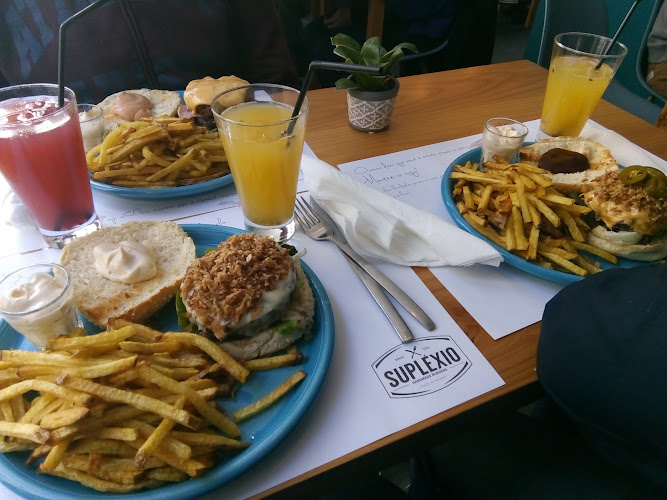
When planning your Azores travel guide or browsing verified attractions in Azores, pair this stop with standout local spots including Supléxio, Forte de São Brás, Whalers Museum, and Senhora da Rosa, Tradition & Nature Hotel (0.6 km away).