Editorial disclosure: This destinations.ai guide was prepared with AI assistance and checked against the official sources linked below. Accommodation and activity placeholders may use affiliate links; that does not change the planning advice.
Battambang is Cambodia’s second-largest city, a relaxed riverside town in the northwest that is one of the country’s best-preserved French colonial centers and a rising arts hub. Far quieter than Siem Reap or Phnom Penh, it rewards visitors with authentic provincial life, early-20th-century shophouses, and a creative spirit.
The town’s most iconic experience is the bamboo train (norry), a flat bamboo platform on rail wheels that rattles through rice paddies on disused colonial tracks. Nearby, the hilltop Phnom Sampeau is famous for its sobering Killing Caves and the nightly spectacle of millions of bats streaming from a cave at dusk, while the pre-Angkorian temple of Wat Banan crowns a hill 358 steps high. The acclaimed Phare Ponleu Selpak circus is a highlight.
The best time to visit is the cool, dry season from November to February.
Affiliate placeholder: Compare accommodation options after checking the official property details, location, and cancellation terms.
Affiliate placeholder: Check current activity availability, meeting points, accessibility, and cancellation terms before reserving.
Sources and current planning links
Explore more destinations.ai travel guides when building a longer route.
How to plan a Battambang visit
Battambang is best planned as a relaxed riverside base for colonial-era streets, local food, creative culture, countryside, and nearby temples. It offers a quieter contrast to Cambodia’s busiest visitor circuits, but that does not mean every attraction runs on a fixed or highly predictable schedule. Confirm transport, event, rail, and site details locally before leaving town.
Tourism Cambodia’s current regional guide describes Battambang through its heritage, nearby temples, natural sites, and rural setting. Use the official tourism information for destination context, then verify individual operators and access. The town rewards a guide who can explain the landscape and history, not simply a driver who points at a series of stops.
What are the best things to do in Battambang?
Walk or cycle the riverside and colonial center, visit local arts and performance spaces, explore Phnom Sampeau or Wat Banan, and choose a countryside route with a responsible guide. Battambang’s appeal is the connection between town, rice-growing landscape, temples, food, and creative community. Give each layer more than a quick photograph.
The central streets and riverfront are well suited to a slow morning. Look for preserved shophouses, cafés, markets, galleries, and community businesses, while remembering that the buildings are part of a lived-in city. Ask before photographing people, workshops, or homes, and support local venues directly. A short walking route can teach you more than a fast loop in a vehicle.
Phare Ponleu Selpak and other arts experiences can show Battambang’s contemporary creativity and social work. Check the current performance calendar, venue, language, ticketing, and transport. Give the organization and artists credit and time; do not reduce the performance to a generic “evening show.” A meal or discussion afterward can help connect the work to the city.
Phnom Sampeau combines temples, views, difficult history, and the well-known bat flight at dusk. Visit with a guide who explains the site respectfully, wear shoes with grip, and check the current road, stair, weather, and visitor conditions. The Killing Caves are a memorial space; avoid turning them into a dramatic prop. Leave time to listen and behave appropriately.
Wat Banan and the rural temples around Battambang can make a rewarding half-day, but stairs, heat, road conditions, and opening arrangements matter. The Tourism Cambodia guide also lists smaller cultural and natural sites. Choose a few, ask who maintains them, and buy food or crafts from local businesses when you genuinely want them. Do not enter private land or climb fragile structures.
Where should you stay in Battambang?
Stay near the riverside or central streets for food, walks, and evening access, or choose a countryside property when the quiet setting and organized excursions matter more. The right base depends on whether you want to walk from the hotel or begin early on a rural route.
Check air conditioning, water, electricity, mosquito protection, breakfast timing, pool, stairs, Wi-Fi, luggage storage, and cancellation terms. Ask whether the property can arrange a reputable driver or guide and what is included. Save the address in Khmer or a local-language format and confirm how late arrival works.
What should you eat in Battambang?
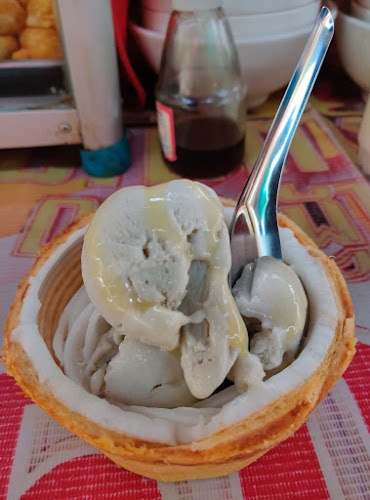
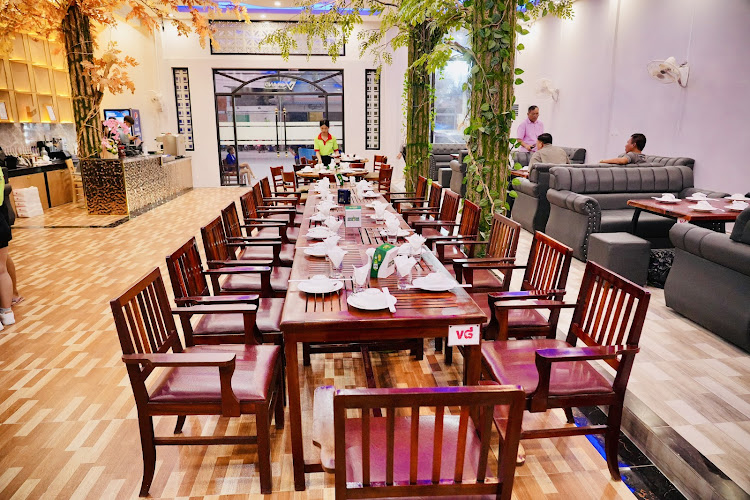
Eat in Battambang for Khmer rice and noodle dishes, market breakfasts, fresh fruit, local snacks, cafés, and restaurants that connect the town’s agricultural setting with modern cooking. Ask a resident, guide, or hotel host what is fresh today. A market stop can be more useful than a fixed list of “must-eat” dishes.
Follow your health needs and choose busy, well-managed vendors. Ask about fish sauce, peanuts, shellfish, ice, spice, and drinking water. Carry sealed water and a simple snack on countryside routes, but keep food away from animals and sacred areas. Confirm whether a restaurant accepts your payment method and whether its kitchen remains open after an evening performance.
What is the best time to visit Battambang?
The cooler dry-season months are often the most comfortable for temples, cycling, and rural roads, while the wetter season can make the landscape green and the road plan less predictable. Check the current forecast, heat, rain, river conditions, and event calendar before choosing dates.
Start outdoor routes early, carry water and sun protection, and keep a rain or indoor alternative. The bamboo train and other named experiences can change operator, route, or status, so verify before promising them in an itinerary. If a storm arrives, choose a market, gallery, cooking experience, or town walk instead of forcing a muddy rural loop.
How do you get around Battambang?
Walk or cycle around the central town, and use a reputable tuk-tuk, car, or guide for temples, countryside, and sunset routes. Agree on the route, price, waiting time, fuel, entrance fees, and return point before leaving. A local driver can make a dispersed day easier, but clear terms protect both traveler and operator.
Roads may be dusty, wet, uneven, or busy with local traffic. Wear secure footwear, save accommodation details offline, and carry water and a charged phone. Travelers with mobility needs should ask about stairs, vehicle access, temple surfaces, bathrooms, shade, and the length of each walk. Do not assume a countryside “tour” is accessible because the town center is flat.
Is Battambang good for families and accessible travel?
Battambang can suit families who enjoy food, trains, farms, temples, art, and open landscapes, as long as the route allows shade, water, rest, and age-appropriate history. Check the current operator, safety equipment, road time, stairs, and toilets for each excursion. A town-based day is a useful alternative to a long temple loop.
Accessibility varies widely across old buildings, tuk-tuks, rural paths, caves, stairs, and temple platforms. Ask for specific details and choose a shorter plan where needed. The Killing Caves and other historical sites may be emotionally difficult for children; explain the context honestly and let the group decide how long to stay.
A practical three-day Battambang itinerary
Three days gives you a town-and-food day, a temple and countryside day, and a flexible arts or nature day. Two days can work when transport is already arranged, but a slower pace suits the destination.
- Day one: Walk the riverside and colonial center, visit a current arts venue, and eat in town.
- Day two: Choose Phnom Sampeau, Wat Banan, or another confirmed temple route with a guide and a realistic return plan.
- Day three: Explore countryside, farms, a market, or a cultural experience, keeping the afternoon flexible for rain and rest.
What day trips work from Battambang?
Nearby temples, rural communities, Phnom Sampeau, and the route toward Siem Reap can extend a Battambang stay, but each needs a current road, guide, weather, and return-time check. Do not add a distant transfer after a full countryside day. Confirm the final bus, car, or boat arrangement before paying.
Battambang rewards travelers who slow down enough to see the river, the rice fields, the art, and the people who keep the city moving. Use the current tourism information below, support local guides and venues, and let respect—not a checklist—shape the visit.
For a longer regional route, compare Angkor Wat, Cambodia, Bangkok, Thailand, Hanoi, Vietnam with this destination before finalizing your itinerary.
Frequently asked questions
What is Battambang, Cambodia best known for?
Battambang is Cambodia's second-largest city, a relaxed riverside town in the northwest that is one of the country's best-preserved French colonial centers and a rising arts hub. Far quieter than Siem Reap or Phnom Penh, it rewards visitors with authentic provincial life, early-20th-century shophouses, and a creative spirit.
When is the best time to visit Battambang?
The best time to visit is the cool, dry season from November to February.
How many days should you spend in Battambang?
Plan about 3 days for a first visit, then add time if you want to explore beyond the central sights.
How should you get around Battambang?
Confirm transport, event, rail, and site details locally before leaving town.
What should you book ahead in Battambang?
Battambang is Cambodia's second-largest city, a relaxed riverside town in the northwest that is one of the country's best-preserved French colonial centers and a rising arts hub.
Explore Battambang by Category: Discover top curated spots across Battambang Attractions & Sightseeing, Best Places to Stay in Battambang, Battambang Restaurants & Dining.