Editorial disclosure: This destinations.ai guide was prepared with AI assistance and checked against the official sources linked below. Accommodation and activity placeholders may use affiliate links; that does not change the planning advice.
Overview: Why Visit Hanoi
Hanoi, located along the bends of the Red River in northern Vietnam, is the country’s thousand-year-old cultural and political capital. Founded as Thang Long (“Ascending Dragon”) in 1010 AD by Emperor Ly Thai To, Hanoi blends ancient Southeast Asian dynastic heritage, French colonial neoclassical boulevards, dynamic street food culture, and scenic urban lakes.
Major highlights include exploring the labyrinthine 36 Guild Streets of the Old Quarter, strolling around the sacred waters of Hoan Kiem Lake to cross the scarlet The Huc Bridge to Ngoc Son Temple, touring the 11th-century Confucian courtyards of the Temple of Literature (Van Mieu), watching locomotives pass inches from cafe stools on Hanoi Train Street, sipping whipped egg coffee (ca phe trung) at historic Cafe Giang, and dining on charcoal-grilled bun cha and steaming beef pho.
Best Time to Visit Hanoi
Quick answer: Autumn (September to November): The undisputed best season to visit Hanoi. Pleasant, dry temperatures average 22°C to 28°C (72°F to 82°F) with clear skies, low humidity, and blooming milkwood flowers ( hoa sua ) filling the Old Quarter with sweet evening fragrances.
- Autumn (September to November): The undisputed best season to visit Hanoi. Pleasant, dry temperatures average 22°C to 28°C (72°F to 82°F) with clear skies, low humidity, and blooming milkwood flowers (hoa sua) filling the Old Quarter with sweet evening fragrances.
- Spring (March to April): Warm, pleasant weather averaging 20°C to 26°C (68°F to 79°F). Perfect for exploring city temples, botanical gardens, and taking day trips to Ninh Binh and Ha Long Bay before summer heat sets in.
- Winter (December to February): Cool, overcast, and brisk, with temperatures dipping to 12°C to 17°C (54°F to 63°F). Ideal weather for enjoying piping-hot bowls of street-side pho and warm egg coffees.
- Summer (May to August): Hot, humid tropical monsoon weather averaging 32°C to 36°C (90°F to 97°F) with intense afternoon downpours. Early morning and evening sightseeing is recommended.
Key Landmarks & Cultural Heritage
Quick answer: The Old Quarter (36 Guild Streets): A bustling merchant quarter operating continuously for over 600 years. Each narrow, winding street historically specialized in a specific trade or guild (e.g., Hang Bac for silver jewelry, Hang Ma for colorful paper offerings, Hang Gai for silk tailors). Explore on foot or by cyclo to observe traditional tube-houses, sidewalk tea stalls, and motorbike traffic.
- The Old Quarter (36 Guild Streets): A bustling merchant quarter operating continuously for over 600 years. Each narrow, winding street historically specialized in a specific trade or guild (e.g., Hang Bac for silver jewelry, Hang Ma for colorful paper offerings, Hang Gai for silk tailors). Explore on foot or by cyclo to observe traditional tube-houses, sidewalk tea stalls, and motorbike traffic.
- Hoan Kiem Lake (Lake of the Returned Sword) & Ngoc Son Temple: The spiritual heart of Hanoi, rooted in the 15th-century legend of Emperor Le Loi returning a magic sword to a giant golden turtle. Cross the wooden scarlet-red The Huc Bridge (Bridge of the Rising Sun) to visit Ngoc Son Temple on Jade Island. Join hundreds of locals at 6:00 AM practicing Tai Chi, aerobics, and badminton around the tree-lined lake perimeter.
- Temple of Literature (Van Mieu – Quoc Tu Giam): Built in 1070 by Emperor Ly Thanh Tong, this impeccably preserved Confucian temple was the site of Vietnam’s first national university. Features five tranquil walled courtyards, the Well of Heavenly Clarity, and 82 historic carved stone turtle stelae inscribed with the names of imperial doctoral laureates between 1442 and 1779.
- Hanoi Train Street: A narrow residential railway corridor through the Old Quarter where freight and passenger trains rumble along tracks laid just inches from residential doorways and open-air cafes. Sit at an authorized second-story trackside cafe sipping egg coffee while experiencing the train rumble past.
- Hoa Lo Prison Memorial (“Hanoi Hilton”): A historic prison complex originally built by French colonial authorities in the 1890s (Maison Centrale) to hold Vietnamese political prisoners, and later used to house American prisoners of war (including John McCain) during the Vietnam War.
- Thang Long Water Puppet Theatre: An ancient Vietnamese folk art tradition originating in the flooded rice paddies of the Red River Delta in the 11th century. Puppeteers hidden behind a bamboo screen manipulate lacquered wooden puppets over a waist-deep pool of water, accompanied by a live traditional folk orchestra.
Suggested 3-Day Hanoi Itinerary
Quick answer: Day 1: Old Quarter Guild Streets, Hoan Kiem & Water Puppets. Start with a morning bowl of steaming Pho Bo at Pho Gia Truyen on Bat Dan Street. Walk down Hang Gai (Silk Street) to Hoan Kiem Lake, crossing The Huc Bridge to visit Ngoc Son Temple. In the afternoon, sample original egg coffee at Cafe Giang. Attend an evening performance at Thang Long Water Puppet Theatre, followed by charcoal-grilled Bun Cha for dinner.
- Day 1: Old Quarter Guild Streets, Hoan Kiem & Water Puppets. Start with a morning bowl of steaming Pho Bo at Pho Gia Truyen on Bat Dan Street. Walk down Hang Gai (Silk Street) to Hoan Kiem Lake, crossing The Huc Bridge to visit Ngoc Son Temple. In the afternoon, sample original egg coffee at Cafe Giang. Attend an evening performance at Thang Long Water Puppet Theatre, followed by charcoal-grilled Bun Cha for dinner.
- Day 2: Temple of Literature, French Quarter & Train Street. Tour the stone turtle stelae and historic courtyards at the Temple of Literature in the morning. Stroll down the wide leafy avenues of the French Quarter to admire the 1911 Hanoi Opera House and St. Joseph’s Cathedral. At 5:00 PM, secure a seat at a Train Street cafe to watch the evening train pass. Enjoy fresh draft beer (*bia hoi*) at Ta Hien Corner.
- Day 3: Day Trip to Ninh Binh (“Ha Long Bay on Land”). Take an early 1.5-hour private transfer or tour south to Ninh Binh. Take a traditional sampan boat ride through the limestone karst peaks and river caves of Trang An (UNESCO World Heritage), climb the 500 stone steps to the Dragon summit at Mua Cave, and return to Hanoi for your evening flight.
Hanoian Street Food & Coffee Culture
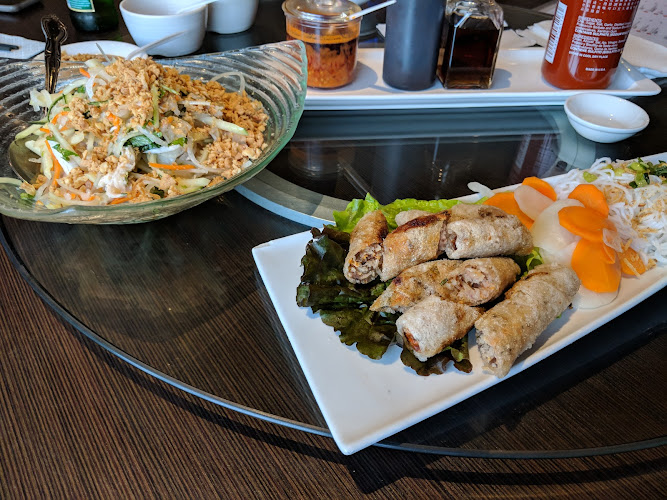
Quick answer: Bun Cha Hanoi: The definitive lunchtime dish of Hanoi. Marinated minced pork patties and pork belly slices grilled over open charcoal braziers until caramelized, served in a warm bowl of sweet, savory, and tangy fish sauce broth with pickled green papaya, alongside plates of fresh rice vermicelli noodles (*bun*), fresh herbs, and crispy fried spring rolls (*nem cua be*).
- Bun Cha Hanoi: The definitive lunchtime dish of Hanoi. Marinated minced pork patties and pork belly slices grilled over open charcoal braziers until caramelized, served in a warm bowl of sweet, savory, and tangy fish sauce broth with pickled green papaya, alongside plates of fresh rice vermicelli noodles (*bun*), fresh herbs, and crispy fried spring rolls (*nem cua be*).
- Pho Bo (Hanoi Beef Noodle Soup): Unlike sweeter southern versions, traditional northern Hanoi pho features a clean, delicate, clear beef bone broth simmered for 12 hours with charred ginger, shallots, star anise, and cinnamon, poured over flat rice noodles and thinly sliced tender beef brisket or rare flank steak, topped with green onions and fresh lime.
- Ca Phe Trung (Hanoi Egg Coffee): Invented in 1946 by Nguyen Van Giang (a bartender at the Sofitel Legend Metropole) during a wartime milk shortage. Strong robusta Vietnamese drip coffee topped with a thick, velvety whipped foam of sweetened condensed milk, egg yolks, and sugar, tasting like a liquid tiramisu.
- Bia Hoi Corner (Ta Hien Street): Fresh, light unpasteurized draft beer brewed daily with no preservatives (approx. 3% ABV), served ice-cold from stainless steel kegs for roughly 10,000–15,000 VND ($0.40–$0.60 USD) per glass on small plastic sidewalk stools.
Practical Travel Tips, Transit & Budget
Quick answer: Getting Around: Noi Bai International Airport (HAN) is located 30 kilometers north (approx. 40 minutes by taxi/Grab, ~$12–$15 USD). Grab App (Southeast Asia’s Uber) is the most reliable, convenient, and safe way to book both air-conditioned cars and motorbike taxis with fixed upfront pricing. Walking is ideal for the Old Quarter, but exercise confidence when crossing streets (maintain a steady, predictable walking pace so motorbikes can maneuver around you).
- Getting Around: Noi Bai International Airport (HAN) is located 30 kilometers north (approx. 40 minutes by taxi/Grab, ~$12–$15 USD). Grab App (Southeast Asia’s Uber) is the most reliable, convenient, and safe way to book both air-conditioned cars and motorbike taxis with fixed upfront pricing. Walking is ideal for the Old Quarter, but exercise confidence when crossing streets (maintain a steady, predictable walking pace so motorbikes can maneuver around you).
- Cash & Payments: Vietnamese Dong (VND). While hotels and upscale restaurants take credit cards, cash is essential for street food vendors, cafes, markets, and cyclos.
- Daily Budget Breakdown:
- Budget traveler: $20–$35 USD (500,000–875,000 VND)/day (hostel dorm in the Old Quarter, street food pho and bun cha, Grab bike transit, museum entries).
- Mid-range traveler: $55–$110 USD (1,375,000–2,750,000 VND)/day (3-star/4-star boutique hotel like La Siesta Classic Ma May, sit-down dinners, Grab cars, water puppet show, day tour to Ninh Binh).
- Luxury traveler: $250–$650+ USD (6,250,000–16,250,000+ VND)/day (luxury suite at the historic 1901 Sofitel Legend Metropole Hanoi, private chauffeured limousine, private cruise tour in Ha Long Bay).
Frequently Asked Questions
Where was Egg Coffee invented in Hanoi?
Egg coffee (Ca Phe Trung) was invented in 1946 by Nguyen Van Giang at Cafe Giang on Nguyen Huu Huan Street, created as a rich substitute when fresh milk was scarce during the French Indochina War.
What is the significance of the 36 Guild Streets in Hanoi?
Dating back to the 15th century, the 36 Guild Streets of Hanoi’s Old Quarter were named after the specific craft or merchandise sold on each street (such as Silk Street Hang Gai, Silver Street Hang Bac, and Paper Street Hang Ma).
How do you safely visit Hanoi Train Street?
Due to safety regulations, entry to Train Street is supervised. Arrive 30 to 45 minutes before a scheduled train passing and be seated at a licensed trackside cafe, where cafe owners guide patrons to safely step behind yellow safety lines.
Affiliate placeholder: Compare accommodation options after checking the official property details, location, and cancellation terms.
Affiliate placeholder: Check current activity availability, meeting points, accessibility, and cancellation terms before reserving.
Sources and current planning links
Explore more destinations.ai travel guides when building a longer route.
For a longer regional route, compare Tokyo, Bangkok, Istanbul, Kyoto, Singapore with this destination before finalizing your itinerary.
Explore Hanoi by Category: Discover top curated spots across Hanoi Attractions & Sightseeing, Best Places to Stay in Hanoi, Hanoi Restaurants & Dining.