Berlin’s Stasi Museum occupies Haus 1 of the former Ministry for State Security headquarters in Lichtenberg, an imposing administrative complex where East Germany’s secret police directed surveillance and repression until 1989. This is not a museum built around replicas or dramatic set design: visitors move through the actual working environment of the MfS, commonly known as the Stasi, with its institutional scale still palpable in the corridors, offices and surrounding campus.
The defining rooms belonged to Erich Mielke, the long-serving minister of state security. His preserved office suite, conference room and anteroom turn an abstract subject into a startlingly physical encounter. Across three exhibition floors, documents, objects and media stations explain how the SED dictatorship used information, informants and technical surveillance to control daily life—and how citizens helped bring the ministry’s power to an end.
Standout Highlights & What Not to Miss
Approach the museum as both a historical site and a focused political-history exhibition. The material can be dense, but the strongest visit alternates between close-looking at original spaces and taking time with the interpretive displays. Start with the core exhibition, then leave enough attention for Mielke’s rooms rather than treating them as a quick photo stop.
- Erich Mielke’s office suite: The minister’s wood-paneled office, adjoining rooms and meeting space remain in original condition. Period telephones, furnishings and the deliberately formal interiors make the bureaucracy behind the regime feel immediate.
- Surveillance technology: Hidden cameras, listening devices, recording equipment and disguises show the practical tools behind an immense apparatus of observation. These objects are most powerful when read alongside the evidence of how they were deployed.
- The three-floor permanent exhibition: Follow the development, organization and reach of state security under SED rule. Sections on informant networks and social control add necessary context beyond the more visually striking gadgets.
- The 1989–90 ending: Look for material on the citizen occupation of the headquarters and the collapse of the ministry. It is an essential counterpoint to the exhibition’s account of surveillance, showing agency as well as oppression.
- The former MfS campus: Pause outside Haus 1 to take in the larger compound. Its sober, repetitive architecture helps explain the scale of an institution that was embedded in the machinery of the East German state.
Visitor Strategy & Planning Snapshot
| Planning Factor | What to Expect | Practical Strategy |
|---|---|---|
| Ideal Arrival Window | Earlier in the visiting day generally gives more breathing room in the preserved rooms and time to read the interpretive panels. | Arrive with enough margin to orient yourself before committing to the three floors; confirm same-day access arrangements before setting out. |
| Typical Time Needed | A meaningful visit usually takes 1.5 to 2.5 hours, depending on how deeply you engage with documents, films and labels. | Allow the full upper end if Cold War history is a priority or if you prefer to read exhibits closely rather than skim. |
| Booking / Queue Reality | The museum experience is largely self-guided, with guided visits sometimes offered, including English-language options. | Check current tour availability directly before relying on a guided visit; self-guided exploration is the sensible default plan. |
| Terrain & Accessibility | An elevator serves the exhibition floors, although some original corridors in Haus 1 are narrow. | Visitors who need more space or step-free routing should allow extra time and ask staff about the most suitable route on arrival. |
| Weather / Seasonal Fit | This is an indoor visit, making it especially useful in rain, cold or Berlin’s shorter winter days. | Use it as the substantial anchor of a Lichtenberg itinerary, then decide on additional outdoor walking according to conditions. |
Honest Trade-Offs: Best For vs. Who Might Skip
This is an outstanding choice for history buffs, Cold War enthusiasts, political science students and first-time Berlin visitors who want to understand the lived mechanisms of dictatorship rather than only its headline events. The authentic setting is its great advantage: the offices and equipment carry a weight that a conventional museum cannot reproduce. It also rewards visitors prepared to read, reflect and confront difficult material about monitoring, coercion and compromised private lives. Those seeking an upbeat family attraction, a highly interactive experience or a rapid checklist stop may find the tone austere and the detail-heavy displays demanding. It is less centrally placed than many headline Berlin museums, so it works best for travelers willing to make it a deliberate destination rather than squeeze it between nearby landmark stops.
Neighborhood Context & How to Pair Your Visit
Set in Berlin-Lichtenberg, the museum offers a different urban perspective from the tourist-heavy historic center. Begin by walking the former MfS grounds so the size of the headquarters registers before entering Haus 1, then give the exhibition an unhurried block of time. Pair it with a broader east-Berlin day focused on the former GDR: the museum’s institutional view of surveillance complements sites that address everyday life, the Berlin Wall and the revolution of 1989. If you are planning around central neighborhoods, treat Lichtenberg as a purposeful half-day detour, not a casual pass-by, and leave space afterward to discuss what you have seen.
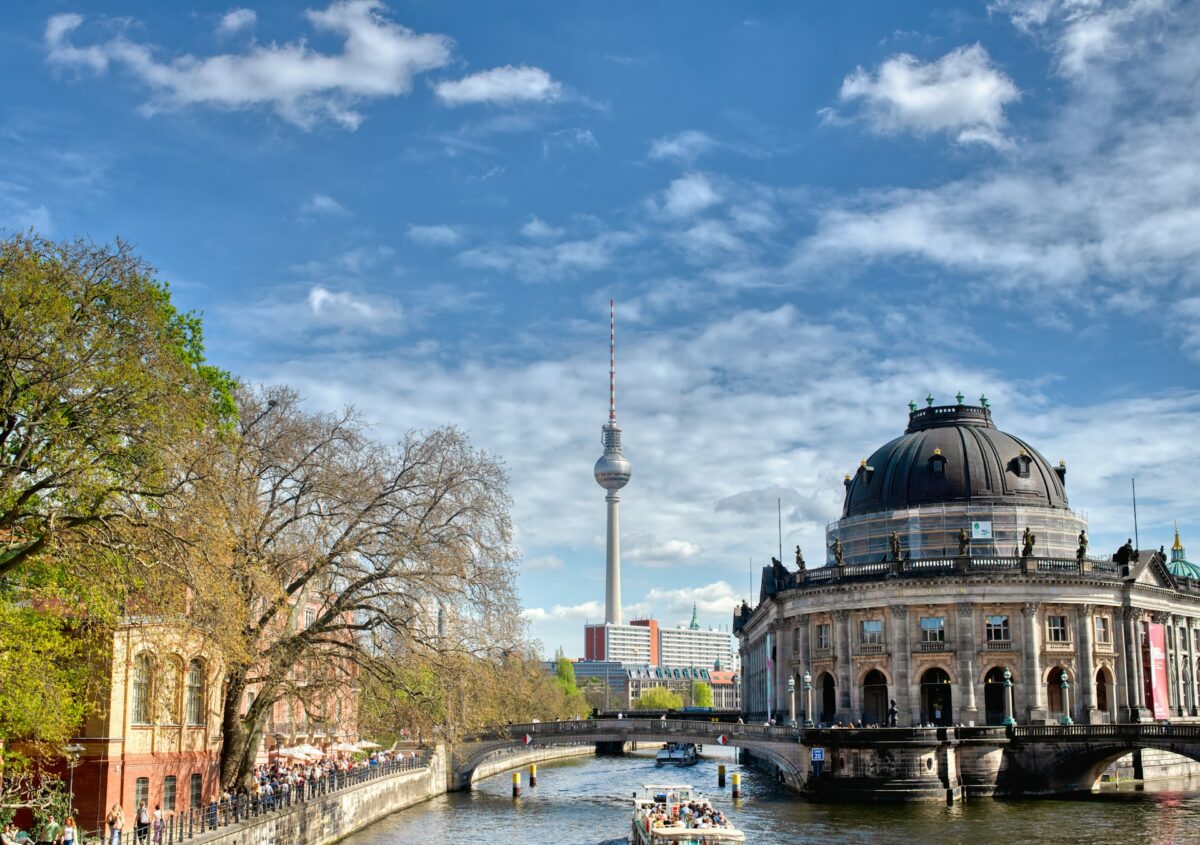
When planning your Berlin travel guide or comparing verified attractions and museums in Berlin, pair this stop with standout local spots including Bode-Museum, Pergamon Museum – The Panorama, mogg, and Lichtenberg Park (0.8 km away).