Editorial disclosure: This destinations.ai guide was prepared with AI assistance and checked against the official sources linked below. Accommodation and activity placeholders may use affiliate links; that does not change the planning advice.
Boston, Massachusetts, United States, is worth visiting when you want a compact city break shaped by Revolutionary history, waterfront walks, universities, museums, sports, and neighborhood food.
You can see Boston’s essential historic core in two full days, while three days gives you time for Cambridge, a museum, Fenway, or a harbor-focused outing without rushing. The city rewards walking, though its brick sidewalks, cobblestones, hills, and changeable New England weather call for supportive shoes and a flexible daily plan.
This Boston travel guide helps you build a trip around connected areas: Downtown and the Freedom Trail, Beacon Hill and Back Bay, the North End waterfront, the Fenway, and Cambridge across the Charles River.
Key Takeaways
- Stay centrally and plan each day around a walkable cluster of neighborhoods.
- Reserve high-demand attractions, sports tickets, and popular meals before arrival.
- Visit in late spring or early fall for comfortable walking weather and full outdoor access.
Quick Answers and Trip Profile
Boston works best as a two- or three-day destination because many headline sights sit within a manageable central area, with Cambridge and outer neighborhoods adding worthwhile extra time.
- Best for: History fans, museum visitors, families, sports followers, food-focused weekends, and first-time New England trips.
- Ideal length: Two nights for core landmarks; three nights for a fuller pace.
- Best base: Back Bay, Downtown, Beacon Hill, the Waterfront, or the North End, depending on your budget and preferred evenings.
- Car needed: No. Walking, the MBTA, ferries, and rideshare cover a short city visit well.
- Main airport: Boston Logan International Airport.
- Signature experiences: The Freedom Trail, Boston Common, the North End, the Charles River Esplanade, Fenway Park, and Harvard Square.
Boston is one of the United States’ most walkable major-city breaks, although distances look shorter on a map than they feel after a full day on uneven pavement. Group nearby stops together, build in café or museum breaks, and use transit for longer hops such as the Museum of Fine Arts area or Cambridge.
For a broader look at landmarks before you choose priorities, browse these attractions in Boston alongside your dates and interests.
Best Things to Do in Boston, Massachusetts, United States
Boston’s best experiences pair historic sites with a neighborhood walk, so leave room for the details between major attractions.
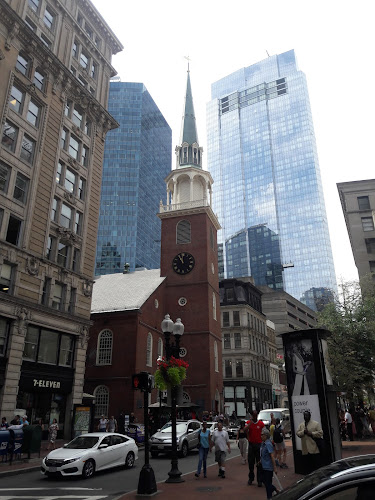
- Walk the Freedom Trail. Follow the red-brick route from Boston Common through Downtown, the North End, and Charlestown. The trail links 16 historic sites across 2.5 miles, including the Massachusetts State House, Old South Meeting House, Old State House, Faneuil Hall, Paul Revere House, Old North Church, and Bunker Hill Monument.
- Start at Boston Common and the Public Garden. These neighboring parks provide a calm first stop before touring historic Downtown. In warmer months, Swan Boats operate on the Public Garden lagoon, subject to the season and weather.
- Explore the North End. Walk its narrow streets for Revolutionary-era sites, Italian bakeries, markets, and restaurants. Time your visit outside peak dinner hours if you prefer a less crowded stroll.
- Visit Faneuil Hall and Quincy Market. You will find a historic meeting hall, street performers, food counters, and easy access to the waterfront. Treat it as a lively stop between the Freedom Trail and Boston Harbor.
- See Fenway Park. Catch a Boston Red Sox game if the schedule aligns, or check official tour availability when the team is away. The surrounding Fenway neighborhood also gives you access to museums and the Emerald Necklace park system.
- Spend time at the Museum of Fine Arts. Its collection supports a half-day visit, especially on a rainy or hot afternoon. Choose a few galleries in advance instead of trying to cover the whole museum.
- Visit the Isabella Stewart Gardner Museum. The intimate museum setting and distinctive courtyard make it a strong counterpoint to larger institutions. Timed-entry policies can change, so confirm details before you go.
- Explore the New England Aquarium and Central Wharf. This is a practical family stop near Boston Harbor, the Rose Kennedy Greenway, and waterfront promenades.
- Walk Beacon Hill and Acorn Street. Red-brick townhouses, gas lamps, and steep lanes create one of Boston’s most recognizable streetscapes. Respect residents by keeping voices low and staying clear of private steps.
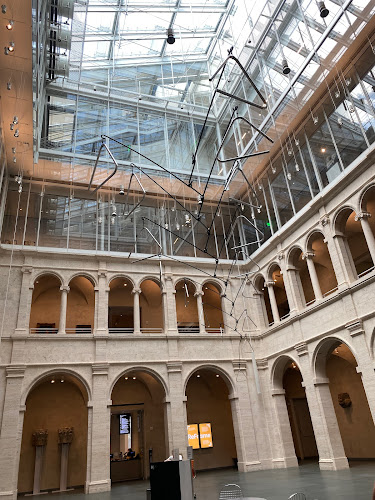
- Cross to Cambridge. Walk over the Longfellow Bridge or take the MBTA to Harvard Square, then see Harvard Yard and the riverfront. Add the Harvard Art Museums if you want a focused art stop.
Plan attraction-heavy days with one major museum or ticketed activity, then anchor the rest around outdoor areas. That leaves more energy for the North End, a harbor walk, or an evening in Back Bay.
History, Culture, and Local Character
Boston’s character comes from the close proximity of colonial landmarks, immigrant neighborhoods, research universities, performing arts, and enduring sports traditions.
The American Revolution is the city’s most visible historic thread. You will encounter sites associated with protest, debate, printing, meeting houses, and the events that led to independence.
A guided Freedom Trail walk adds context to buildings that can otherwise feel like a long checklist, especially if you have limited time.
Boston also carries a strong literary and intellectual identity. The city’s colleges, libraries, public lecture culture, and museums shape daily life well beyond the visitor core.
In Cambridge, Harvard University and the Massachusetts Institute of Technology bring a younger, research-oriented energy to cafés, bookstores, and streets around the Charles River. The MIT Museum is a fitting choice when you want science, technology, and design in one stop.
For local atmosphere, spend time in areas where daily routines remain visible: early-morning dog walkers in the Public Garden, runners along the Esplanade, lunchtime crowds near Downtown Crossing, and neighborhood conversations at bakeries and delis. Boston’s pace sharpens during the academic year and around professional sports schedules.
Sports are part of the city’s civic calendar. Fenway Park, home of the Red Sox, draws visitors from spring into fall, while college events, basketball, hockey, and the Boston Marathon influence hotel demand and transit crowds at different times of year.
Neighborhoods, Parks, and Outdoor Activities
Choose Boston neighborhoods by the kind of day you want, because each central district offers a different mix of landmarks, dining, green space, and transit access.
- Downtown, Government Center, and the Waterfront: Best for first visits centered on the Freedom Trail, Faneuil Hall, the aquarium, and Boston Harbor.
- Beacon Hill: Best for historic streets, independent shops on Charles Street, and access to Boston Common and the Esplanade.
- Back Bay: Best for brownstone architecture, Newbury Street shopping, Copley Square, and convenient connections around the city.
- North End: Best for Italian food, waterfront access, and Freedom Trail landmarks. Lodging is limited compared with Back Bay and Downtown.
- Fenway-Kenmore: Best for baseball, museums, and the green corridors of the Emerald Necklace.
- Cambridge: Best for Harvard Square, university museums, bookstores, and Charles River views.
Boston Common and the Public Garden make an easy outdoor pairing, while the Charles River Esplanade is better for a longer walk, run, or cycle. Follow the river toward Back Bay or Cambridge for skyline views and sailboat activity in warm weather.
For a harbor-based outing, walk the Harborwalk where accessible, take a seasonal cruise, or use ferry service when it fits your destination. Check weather, wind, and operating schedules before committing to a waterfront activity.
The city recognizes 23 distinct Boston neighborhoods, so build extra time into a return visit for areas beyond the historic center, including Jamaica Plain, Dorchester, South Boston, and East Boston.
Where to Stay and What to Eat
Back Bay is the strongest all-purpose place to stay for a first Boston trip because you are near parks, shopping, restaurants, multiple transit options, and a comfortable walk to Downtown.
Choose Downtown or the Waterfront when the Freedom Trail, Faneuil Hall, harbor activities, and quick access from Logan are your priorities. Beacon Hill suits a quieter, more residential feel near central sights.
The North End places you near evening dining and historic lanes, while Cambridge works well when university visits or Harvard Square are central to your plans.
Hotel rates rise around major events, university move-in periods, summer weekends, foliage season, and Red Sox home games. Book early when your dates overlap with the Boston Marathon or other citywide demand drivers.
Compare location, transit access, and cancellation terms through this guide to the best hotels in Boston.
Boston food is rooted in New England seafood and shaped by communities across the city. Look for clam chowder, lobster rolls, fried clams, oysters, baked beans, roast beef sandwiches, and Italian pastries in the North End.
Chinatown provides another useful dining district near Downtown, particularly for noodles, dumplings, and late-day meals.
Reserve a table for popular dinners on Friday and Saturday, especially in the North End, Seaport, Back Bay, and around Fenway on game days. Ask about allergies directly, because seafood features prominently across many local menus.
How to Get There and Get Around
You will reach Boston most easily through Logan International Airport, Amtrak and regional rail service, intercity buses, or a drive from elsewhere in New England.
From Logan, use the MBTA, airport shuttles, water transportation when seasonal service is operating, taxis, or rideshare based on your arrival terminal and luggage. Check the route and service status on your travel day, especially during construction, bad weather, or late-night arrivals.
Within the city, walking handles much of a first visit. The MBTA, known locally as the T, connects key visitor areas through subway, bus, commuter rail, and ferry services.
Use the official Boston transportation guidance to check current options and travel updates.
- Walk: Best for the Freedom Trail, Beacon Hill, Back Bay, the North End, Downtown, and much of the Waterfront.
- Subway: Useful for Fenway, Cambridge, museum areas, and longer cross-city trips.
- Bus: Helpful where rail lines do not reach, though traffic affects journey times.
- Bike share: A useful warm-weather option for the Esplanade and separated paths, subject to rider comfort and street conditions.
- Rideshare or taxi: Best for late nights, heavy luggage, mobility needs, or direct airport transfers.
Leave a rental car outside your core itinerary when possible. One-way streets, limited parking, congestion, and old street patterns make driving slow, while central attractions sit closer together on foot.
Best Time to Visit and Seasonal Planning
Late spring and early fall offer the most comfortable balance of walking weather, active outdoor spaces, and seasonal city life.
Spring: April through June brings flowering parks, baseball season, graduation activity, and unpredictable temperatures. The Boston Marathon and university commencements create intense demand for rooms and transportation, so secure lodging far ahead when your dates coincide.
Summer: June through August delivers harbor outings, outdoor dining, parks, and the fullest event calendar. Bring breathable layers, sunscreen, and rain protection. Heat and humidity can make a long Freedom Trail day tiring, so schedule museums or a midday meal indoors.
Fall: September through early November brings crisp air, college energy, and New England foliage. Early fall remains busy, while later autumn adds cooler evenings and shorter daylight.
Winter: December through March suits visitors focused on museums, theater, restaurants, and indoor history. Snow, ice, wind, and transit disruptions call for waterproof footwear, insulated layers, and more time between reservations.
Your exact travel week should shape the final plan. Check the city’s current visitor information and event listings for public events, seasonal operations, and city services before booking.
A Practical Two- or Three-Day Itinerary
A practical Boston itinerary groups sights by geography, while leaving room for meals, weather changes, and the walking pace of historic streets.
Day 1: Freedom Trail, Downtown, and the North End. Begin in Boston Common, then follow the Freedom Trail through Downtown. Pause at Faneuil Hall and Quincy Market, continue toward the waterfront, and finish in the North End with time for Old North Church, the Paul Revere House area, dinner, and a pastry.
Day 2: Beacon Hill, Back Bay, and the Fenway. Walk Beacon Hill in the morning, continue through the Public Garden and along Commonwealth Avenue, then choose the Museum of Fine Arts, Isabella Stewart Gardner Museum, or Fenway Park. Reserve a Red Sox game or stadium tour in advance if it’s a priority.
Day 3: Cambridge and the Charles River. Spend the morning around Harvard Square and Harvard Yard. Add the Harvard Art Museums or MIT Museum, then walk the Charles River paths or return to Boston for the aquarium, a harbor cruise, or the Seaport.
With only two days, combine the Beacon Hill and Back Bay walk with the first day’s Downtown route only if you’re comfortable covering substantial distance. Keep Cambridge for a future visit, or substitute it for Fenway based on your interests.
Costs, Safety, Accessibility, and Reservations
Boston can be an expensive city break, with lodging, ticketed attractions, sports events, and peak-date dining creating the largest swings in your trip budget.
Control costs by booking accommodation early, walking between clustered sights, using public transit for longer hops, choosing one paid attraction per day, and building meals around markets, bakeries, counter service, and picnic-friendly parks. Boston Common, the Public Garden, the Freedom Trail route, the Esplanade, Harvard Yard’s public areas, and many waterfront walks provide plenty of free sightseeing.
Use normal city awareness: keep valuables secure in busy transit stations and tourist areas, stay aware around nightlife districts, and choose well-lit routes after dark. Winter surfaces become slippery quickly after snow or freezing rain, while summer heat makes water breaks essential during long walks.
Accessibility varies sharply because Boston combines modern venues with old buildings, narrow sidewalks, cobblestones, steep grades, and historic entrances. Confirm step-free entrances, elevator availability, accessible restrooms, seating, sensory accommodations, and companion policies with each attraction before arrival.
For a smoother visit, cluster accessible stops around Downtown, the Waterfront, Back Bay, and major museums. Plan extra time for Beacon Hill and the oldest Freedom Trail segments, where conditions can be more difficult.
Reserve timed museum entry, aquarium admission, harbor excursions, Fenway activities, popular tours, and sought-after dinner tables before travel. Keep confirmation details on your phone, and check cancellation rules before making prepaid bookings.
Sources and Current Planning Links
Use official planning pages close to your departure date because transportation, events, accessibility arrangements, weather operations, and attraction entry procedures can change.
- Official Boston trip-planning tools for itinerary ideas, hotel search tools, and current visitor information.
- City visitor resources for Boston for city services, events, and arrival planning.
- Boston destination information for additional trip inspiration within Massachusetts.
- Check each museum, historic site, sports venue, restaurant, and transportation provider directly for current hours, admission rules, accessibility details, and reservations.
Frequently Asked Questions
Boston’s major sights fit well into a long weekend, while family activities and day trips reward an extra night when your schedule allows.
What are 10 must-see things to do in Boston?
Your 10 essential Boston stops are the Freedom Trail, Boston Common, Public Garden, Beacon Hill, Faneuil Hall, Quincy Market, the North End, Fenway Park, the Museum of Fine Arts, and Harvard Square. Add the New England Aquarium, Isabella Stewart Gardner Museum, or a Charles River walk when you want to tailor the list to your interests.
How many days is enough to visit Boston?
Two full days are enough for Boston’s historic center, key neighborhoods, and one major attraction. Three days create a more comfortable pace and leave time for Cambridge, Fenway, a museum, or a harbor activity.
What should I do in Boston for 3 days?
Spend your first day on the Freedom Trail, Downtown, waterfront, and North End; use day two for Beacon Hill, Back Bay, a museum, and Fenway; then devote day three to Cambridge and the Charles River. Book any timed admission and game tickets around that structure before filling in meals and smaller stops.
What can families do in Boston?
Families will find strong options at the New England Aquarium, Boston Common, the Public Garden, Swan Boats in season, the Boston Children’s Museum, the Museum of Science, and Fenway Park. Balance one indoor attraction with outdoor space each day, especially when traveling with younger children.
What day trips can you take from Boston?
You can take day trips from Boston to Salem, Lexington and Concord, Plymouth, Cape Ann, or Newport, Rhode Island, depending on the season and transport plan. Salem and Lexington-Concord suit history-focused visits, while Cape Ann fits coastal scenery and Newport suits architecture and waterfront walks.
What are the best free things to do in Boston?
The best free things to do in Boston include walking the Freedom Trail route, exploring Boston Common and the Public Garden, wandering through Beacon Hill, and spending time along the Charles River Esplanade. Harvard Yard’s public areas and the Harborwalk are also worth adding to your list.
It’s still a good idea to check individual historic sites and museums, since interior access and special exhibits often require admission or timed entry.
Affiliate placeholder: Compare accommodation options after checking the official property details, location, and cancellation terms.
Affiliate placeholder: Check current activity availability, meeting points, accessibility, and cancellation terms before reserving.