Editorial disclosure: This destinations.ai guide was prepared with AI assistance and checked against the official sources linked below. Accommodation and activity placeholders may use affiliate links; that does not change the planning advice.
Brownsville sits at the southern tip of Texas, where borderland history, subtropical wildlife, and Mexican American culture shape a trip that feels distinct from the rest of the state. You can spend a morning at a Civil War-era fort, see endangered wildlife at the zoo, and finish the day with tacos or seafood near the Rio Grande.
This Brownsville travel guide helps you plan a rewarding two- or three-day stay centered on historic downtown, Palo Alto Battlefield, nature preserves, and easy Rio Grande Valley day trips.
Brownsville works best when you treat it as both a city destination and a gateway. Keep a car for the battlefield, trails, and coast, then reserve time to walk downtown at an unhurried pace.
Key Takeaways
- Brownsville rewards you with history, wildlife, borderland culture, and South Texas food.
- Two full days cover the city’s key sights; a third day opens up the coast or nearby nature.
- Cool-season visits bring more comfortable sightseeing weather and strong birdwatching opportunities.
Quick Answers and Trip Profile
Brownsville is a worthwhile South Texas base if you want historical sites, family attractions, birding, and Mexican American culture within driving distance of Gulf beaches and the Rio Grande.
You are visiting Brownsville, Texas, in the United States, not Brownsville, Tennessee, Kentucky, or another city with the same name. The city lies in the Rio Grande Valley near the Mexican border, roughly 160 miles from Corpus Christi, a drive listed at about 2.5 hours in this Brownsville travel overview.
- Best trip length: Two to three days.
- Best for: Families, history fans, birders, road-trippers, and travelers interested in borderland culture.
- Best area for first-time visitors: Downtown or the commercial corridors near U.S. 77 and the airport.
- Closest airport: Brownsville South Padre Island International Airport (BRO).
- Car needed: Yes, especially for Palo Alto Battlefield, Sabal Palm Sanctuary, Boca Chica, and South Padre Island.
- Signature experiences: Gladys Porter Zoo, Historic Downtown Brownsville, Palo Alto Battlefield National Historical Park, the Brownsville Historic Battlefield Trail, and regional Mexican food.
Brownsville has a warm, subtropical setting and a working border-city rhythm. You will get more from your visit by planning around opening hours, midday heat, and cross-border logistics if Matamoros is part of your plans.
Best Things to Do in Brownsville, Texas
Brownsville’s standout attractions pair major chapters of Texas history with wildlife and family-friendly experiences.
Start at Palo Alto Battlefield National Historical Park, where the first major battle of the Mexican-American War took place on May 8, 1846. You can see replica artillery near the visitor facilities and follow the half-mile path toward the battlefield. Check current operating details through the Palo Alto Battlefield planning information.
Spend another morning at Gladys Porter Zoo, a long-running Brownsville attraction known for its conservation focus and broad animal collection. It is an easy fit for families, especially if you arrive near opening time before temperatures rise. Confirm admissions, animal encounters, and daily schedules directly before you go.
Historic Downtown Brownsville deserves time for its architecture, civic landmarks, museums, cafés, and cultural institutions. Stop at the Heritage Museum to place the city’s military, ranching, railroad, and border history in context.
You can also add the Historic Old Morgue at Fort Brown when you are exploring the former fort area. It’s a small stop, but an unusual one.
For a focused family visit, the Children’s Museum of Brownsville features hands-on spaces that include a pretend market, a shrimp-boat play area, and a Mars-themed exhibit. Check its event calendar before building your day around a visit.
If you enjoy clothing, performance, and folk traditions, look for exhibitions at the Costumes of the Americas Museum. Its collections spotlight garments and cultural traditions from North, Central, and South America, including Indigenous and Mexican dance heritage.
History, Culture, and Local Character
Brownsville’s character comes from its position at the United States-Mexico border and its long role in military, trade, agricultural, and cultural history.
Fort Brown shaped the city after its establishment during the Mexican-American War era. Palo Alto Battlefield provides the clearest introduction to the conflict, while downtown institutions and historic structures show how Brownsville developed afterward.
Give yourself time to read interpretive panels and museum labels, since the region’s history reaches across the modern international border.
The city’s bilingual, bicultural life is visible in its food, conversation, public art, family businesses, and annual celebrations. Charro Days, held in late February, is one of the region’s best-known cultural events and reflects the long-standing relationship between Brownsville and Matamoros.
Downtown is the most useful place to feel this local character. Walk during daylight hours, pause for coffee or a meal, and look for independent shops and galleries.
A Downtown Brownsville neighborhood guide helps you identify walkable blocks, amenities, and local points of interest.
For a deeper historical stop, consider the Heritage Museum Brownsville Historical Association. It works especially well before visiting Fort Brown or Palo Alto Battlefield because it gives you a city-scale view of the area’s past.
Neighborhoods, Parks, and Outdoor Activities
Downtown offers the most walkable sightseeing, while Brownsville’s parks and trails connect you to the region’s flat terrain, palms, waterways, and migratory wildlife.
Base your in-town walking around Historic Downtown Brownsville. This is where you will find museums, civic buildings, dining, and older commercial streets.
Use a car or rideshare for most other neighborhoods because major attractions and hotel clusters are spread across the city.
For cycling and longer walks, Brownsville has 64 miles of paved and off-road bicycle trails plus on-street bike lanes. The official Brownsville visitor guide identifies the nine-mile Brownsville Historic Battlefield Trail, which runs north from downtown toward Palo Alto Battlefield and includes stretches lined with evergreen palms.
Sabal Palm Sanctuary is one of the area’s best nature outings. The 557-acre Rio Grande reserve protects Texas’ only native palmetto species and has three miles of trails and boardwalks.
Bring water, closed-toe shoes, insect repellent, and binoculars for birds and butterflies.
For close-to-town recreation, use the City of Brownsville’s parks and trails directory to find playgrounds, sports facilities, picnic areas, and neighborhood parks. It is especially useful when you need a flexible outdoor stop between scheduled attractions.
Boca Chica and South Padre Island require a car. Check weather, tide, beach conditions, and road access before leaving Brownsville, especially during storm season.
Where to Stay and What to Eat
Choose downtown for historic atmosphere or the airport and U.S. 77 corridors for practical access to major roads, chain hotels, and parking.
Downtown suits you if cafés, museums, and an evening walk are priorities. Hotel choices are more limited than along commercial corridors, so reserve early around festivals, holiday weekends, and major events.
The airport area and northern commercial districts make a convenient base for an early flight, a rental car, or day trips toward South Padre Island.
For familiar amenities near major roads, compare current details for Hampton Inn & Suites Brownsville and Courtyard Brownsville. Confirm breakfast, parking, accessible-room features, cancellation terms, and any pet policies directly with your chosen hotel.
Your food plan should include breakfast tacos, barbacoa, tamales, menudo, tortas, pan dulce, and Gulf seafood. Brownsville’s dining scene also includes contemporary Mexican cooking, Tex-Mex staples, cafés, steakhouses, and international restaurants.
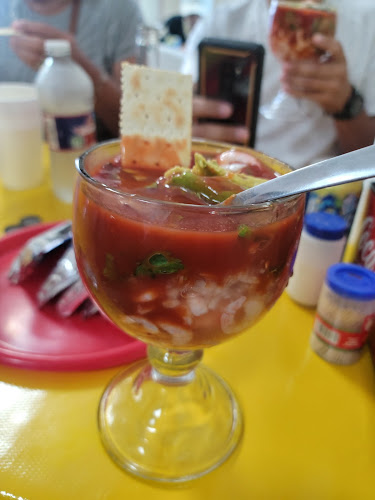
For seafood, you can consider Cocteleria El Amigo as part of a casual regional-food itinerary. Order with your group’s spice tolerance in mind, and ask about seafood preparation when you have allergies.
Book dinner reservations for Friday and Saturday nights when you have a specific restaurant in mind. Restaurant hours can shift around holidays and private events, so verify them on the day you plan to dine.
How to Get There and Get Around
Flying into Brownsville South Padre Island International Airport or driving via U.S. 77 are the most direct ways to reach the city.
BRO is the local airport, while larger airport options include Harlingen and McAllen. Flight schedules change seasonally, so compare arrival times with rental-car availability before committing to an itinerary.
The airport is also a practical choice if you are continuing to South Padre Island after your Brownsville stay.
Driving gives you the most flexibility. Brownsville’s attractions are distributed across downtown, Fort Brown, the zoo, Palo Alto Battlefield, and the river corridor.
A car also makes day trips to South Padre Island, Boca Chica, Laguna Atascosa, and Harlingen more realistic.
Within downtown, you can walk between several cultural stops, especially in cooler morning or late-afternoon hours. Rideshare services help for point-to-point trips, though wait times vary by location and time of day.
Cyclists can use the Historic Battlefield Trail for a scenic connection between downtown and Palo Alto Battlefield. Review pavement conditions, summer heat, and traffic crossings before setting out.
If you are planning a broader regional drive, these road trip planning tips help you build in fuel, weather, and rest stops.
For Matamoros, you can cross on foot at an international bridge if you carry valid travel documents and meet current entry requirements. Check official U.S. and Mexican border guidance before you go because wait times, documentation rules, and security conditions change.
Best Time to Visit and Seasonal Planning
Late October through April gives you Brownsville’s most comfortable weather for walking, birding, and outdoor history sites.
Brownsville has long, hot summers and short, milder winters. Temperatures across the year commonly range from 52°F to 94°F, with readings rarely below 39°F or above 98°F, as shown in these Brownsville climate averages.
You will want sun protection in every season.
Winter and early spring are especially appealing for wildlife viewing, festivals, and daytime sightseeing. Late February brings Charro Days activity, which adds cultural energy and can increase demand for lodging.
Reserve your hotel early if your dates align with the celebration.
Spring offers warm weather and active birdlife, though spring-break traffic can affect nearby South Padre Island. Summer works if you plan indoor museum time, early-morning outdoor stops, frequent hydration, and a beach-focused extension.
Hurricane season runs from June through November. Tropical weather does not affect every trip, yet you should monitor forecasts closely when visiting the Texas Gulf Coast in late summer or fall.
Keep refundable hotel terms when possible and avoid beach or barrier-island plans during active advisories.
For a broader seasonal framework, use this guide to the best time to go on vacation alongside current local forecasts and event calendars.
A Practical Two- or Three-Day Itinerary
A two-day Brownsville itinerary covers the city’s core history and family attractions, while a third day lets you choose the coast, birding, or a slower downtown visit.
Day 1: Downtown, Fort Brown, and the zoo
- Begin in Historic Downtown Brownsville with coffee and a walk past museums, civic landmarks, and older streetscapes.
- Visit the Heritage Museum or another downtown cultural institution.
- Tour the Fort Brown area and the Historic Old Morgue if it is open.
- Spend the afternoon at Gladys Porter Zoo.
- Have dinner downtown or along one of Brownsville’s main dining corridors.
Day 2: Battlefield and nature
- Arrive at Palo Alto Battlefield National Historical Park early, before the strongest heat.
- Walk the battlefield trail and spend time with the visitor interpretation.
- Take the Brownsville Historic Battlefield Trail by bike or explore a shorter segment on foot.
- Head to Sabal Palm Sanctuary in the later afternoon for boardwalks, palms, birds, and butterflies.
- Plan an unhurried dinner with regional Mexican food or seafood.
Day 3: Choose your Rio Grande Valley excursion
- Drive to South Padre Island for beach time, coastal restaurants, or water activities.
- Visit Boca Chica for a more remote coastal landscape, subject to road access and launch-area restrictions.
- Go birding at regional refuges and nature centers.
- Use the day for Matamoros only if you have current travel documents, border plans, and enough time for return crossing procedures.
Keep your outdoor attractions in the morning, place museums in the warmest part of the day, and leave your evening flexible for dining.
Costs, Safety, Accessibility, and Reservations
Brownsville can suit a range of budgets, especially when you mix free outdoor spaces with one or two paid attractions and book lodging ahead of high-demand weekends.
Hotel costs vary by season, event dates, room type, and proximity to the airport or major highways. Attraction admission, rentals, tours, and restaurant prices change too, so check official pages and direct booking channels before setting a budget.
You can control spending by choosing a hotel with breakfast, using parks and trails, and limiting long rideshare trips through a car rental or shared vehicle.
For safety, use the same city-travel habits you would use elsewhere: stay aware in unfamiliar areas, lock your vehicle, avoid leaving bags visible inside, and plan night transportation before going out. Downtown is best explored during active daytime and early-evening periods.
Border crossings require extra attention to documentation, local conditions, and return timing.
Accessibility varies by site. Gladys Porter Zoo, museums, hotels, historic spaces, trails, boardwalks, and beach environments have different surfaces and service levels.
Contact each attraction ahead of time about wheelchair access, accessible parking, service animals, restrooms, seating, sensory considerations, and companion policies.
Reserve hotel rooms for Charro Days, spring-break periods, holiday weekends, and major South Padre Island dates. For ranger programs, guided tours, zoo experiences, and special museum events, check availability before you build the rest of your day around them.
Sources and Current Planning Links
Use official or destination-specific planning pages to confirm operating hours, weather, admission, road conditions, and event details before you leave.
- Check city parks, trails, and recreation facilities through the City of Brownsville parks directory.
- Review local ideas and current destination highlights through Explore Brownsville.
- Compare neighborhood context and attraction ideas on the Brownsville destination page.
- Review current visitor information in the Brownsville visitor guide.
- Check current traveler feedback and attraction listings through Brownsville activities and visitor reviews.
- Use current forecast data before outdoor plans, especially during summer heat and tropical weather periods.
Frequently Asked Questions
Brownsville is a good choice for a short South Texas trip, especially when you combine city attractions with nearby nature and coastal excursions. You will find more to do if you plan around its history, wildlife, food, and borderland setting instead of treating it only as a stop en route to South Padre Island.
Is Brownsville, Texas worth visiting?
Brownsville is worth visiting if you enjoy history, wildlife, Mexican American culture, and access to the Rio Grande Valley. You can fill two days with Palo Alto Battlefield, Gladys Porter Zoo, downtown museums, Fort Brown, and Sabal Palm Sanctuary, then add the coast for a third day.
Can you walk across the border in Brownsville, Texas?
You can walk across an international bridge between Brownsville and Matamoros when border operations allow and you have valid travel documents. Check current U.S. and Mexican entry requirements, bridge hours, and wait times before leaving, then allow extra time for your return crossing.
What is Brownsville famous for?
Brownsville is known for its borderland culture, its role in the Mexican-American War, and its proximity to exceptional birding and Gulf Coast landscapes. Palo Alto Battlefield National Historical Park, Gladys Porter Zoo, Charro Days, and the city’s Mexican American food traditions are leading draws.
What can families do in Brownsville, Texas?
Families can visit Gladys Porter Zoo, the Children’s Museum of Brownsville, city parks, and Palo Alto Battlefield. For outdoor time, choose shorter morning walks at Sabal Palm Sanctuary or bike sections of the Historic Battlefield Trail when temperatures are comfortable.
What day trips can you take from Brownsville, Texas?
South Padre Island is the most popular day trip for beaches, dining, and coastal activities. You can also drive to Boca Chica, explore regional birding areas, or visit Matamoros if you have current documents and a clear cross-border plan.
What is crime like in Brownsville, Texas?
Brownsville has the same practical safety considerations as other mid-sized U.S. cities. Protect valuables, stay aware of your surroundings, and use reliable transportation after dark.
Review current local alerts before traveling, especially if you plan to cross the border or visit remote coastal areas.
Affiliate placeholder: Compare accommodation options after checking the official property details, location, and cancellation terms.
Affiliate placeholder: Check current activity availability, meeting points, accessibility, and cancellation terms before reserving.