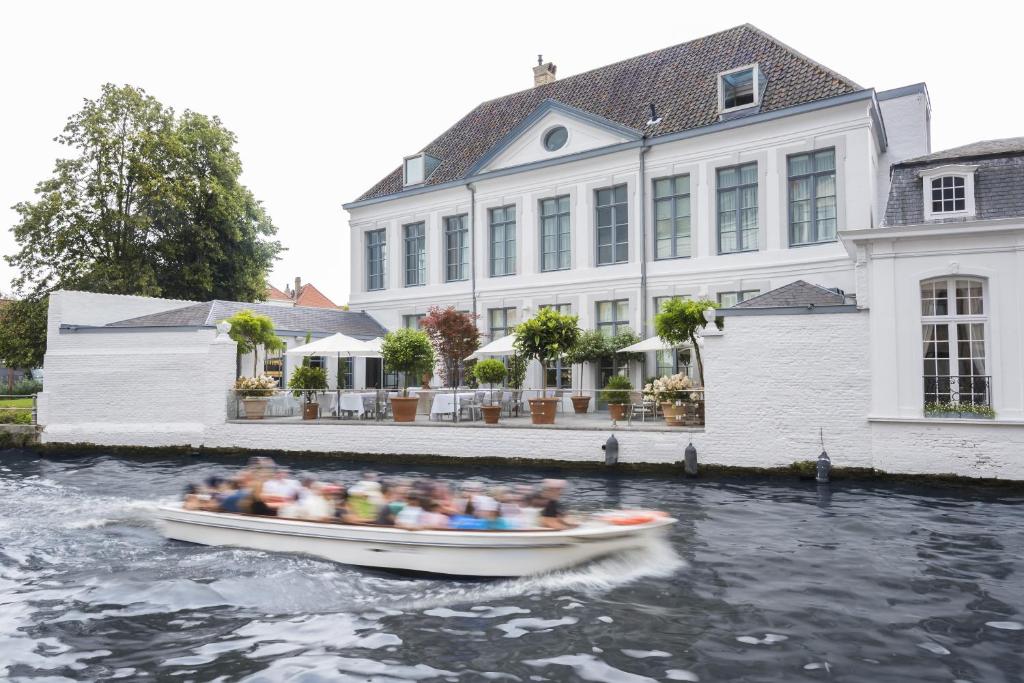
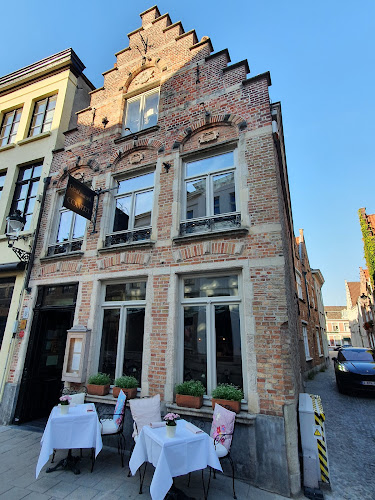
Saint John’s Hospital, known locally as Museum Sint-Janshospitaal, is one of Bruges’ most evocative encounters with medieval life. Founded in the 12th century, this former charitable hospital cared for pilgrims, travellers and sick residents for centuries; its vast brick wards, timber roof structure and chapel preserve the scale and atmosphere of that mission.
The museum stands in the southern part of Bruges’ historic centre, close to the Church of Our Lady and within easy walking distance of the city’s canals and major squares. It is not simply a collection of objects: the building, its art and its medical heritage work together to show how care, religion, civic duty and art were intertwined in medieval Flanders.
Standout Highlights & What Not to Miss
Come for Hans Memling’s paintings, but leave time for the setting that commissioned and safeguarded them. The best visit moves slowly between the former wards, devotional art and pharmacy displays, noticing how practical treatment and spiritual comfort once occupied the same institution.
- Memling’s Saint John Altarpiece: This major triptych was made for the hospital’s high altar. Its carefully observed figures and richly detailed scenes reward close viewing, particularly for visitors interested in Early Netherlandish painting.
- Shrine of Saint Ursula: Memling’s gilded reliquary is astonishingly intimate despite its importance. Its small painted panels narrate Saint Ursula’s journey and martyrdom with the precision of miniature architecture.
- The medieval sick wards: Stand beneath the soaring wooden ceiling and imagine rows of beds once lining the hall. Displays relating to hospital life make the institution’s long role in caring for vulnerable people tangible.
- Historic apothecary: Wooden cabinetry, medicine jars and pharmacy equipment give this section a more domestic scale. It is an effective counterpoint to the monumental wards and traces changing ideas about remedies and treatment.
- Oak roof attic and contemporary art: Where accessible, the roof space reveals the remarkable carpentry above the wards. Contemporary works add a thoughtful modern perspective on bodies, illness, care and vulnerability.
The Memling works are the undeniable centrepiece, yet do not treat the rest as a quick lead-in. The museum’s real distinction is the rare continuity between masterpieces made for this place and the rooms in which patients, religious staff and visitors once lived out its daily purpose.
Visitor Strategy & Planning Snapshot
| Planning Factor | What to Expect | Practical Strategy |
|---|---|---|
| Ideal Arrival Window | The galleries can feel most contemplative before the main flow of day visitors builds. | Make this an early stop, especially if Memling’s works are a priority and you prefer time to look closely. |
| Typical Time Needed | A focused visit usually takes 1.5 to 2 hours, with more time useful for art lovers. | Allow the full two hours if you want both the hospital story and the paintings rather than a highlights-only circuit. |
| Booking / Queue Reality | Admission arrangements and visitor demand can vary with season, holidays and temporary programming. | Check current entry conditions ahead of time; reserving in advance can simplify a tightly scheduled Bruges day. |
| Terrain & Accessibility | Main medieval wards are step-free at ground level, but some upper areas involve stairs. | Visitors needing step-free access should confirm lift access and which spaces are available before setting out. |
| Weather / Seasonal Fit | This is an indoor, unhurried museum that works well in rain, cold or midday heat. | Use it as a weather-proof anchor between outdoor walks, or visit in quieter periods for a calmer atmosphere. |
Honest Trade-Offs: Best For vs. Who Might Skip
This is an excellent choice for history buffs, art lovers, families with curious older children and first-time visitors who want Bruges beyond postcard canals. It is especially strong for travellers who enjoy reading context panels, lingering over paintings and connecting art to its original setting. Those looking only for a fast, visually playful attraction may find the pace quiet and the subject matter solemn. Very young children or visitors with limited interest in medieval art may engage more with the wards and apothecary than the galleries. The upper-level access considerations also make advance planning worthwhile for anyone with mobility needs.
Neighborhood Context & How to Pair Your Visit
Saint John’s Hospital fits naturally into a walk through southern central Bruges. Pair it with the Church of Our Lady nearby, then continue toward the Minnewater area for canals and green space, or turn back toward the Markt and Burg through the old lanes. A sensible rhythm is to begin with the museum’s indoor depth, pause afterward for a café break, and save canal-side wandering for later. Because the hospital explains medieval Bruges from the inside out, it gives useful context to the churches, almshouses and merchant-city streets encountered on the rest of the walk.
When planning your Bruges travel guide or comparing verified attractions and museums in Bruges, pair this stop with standout local spots including Gruuthusemuseum, ONE Restaurant, Gentpoort, and Church of Our Lady (nearby).