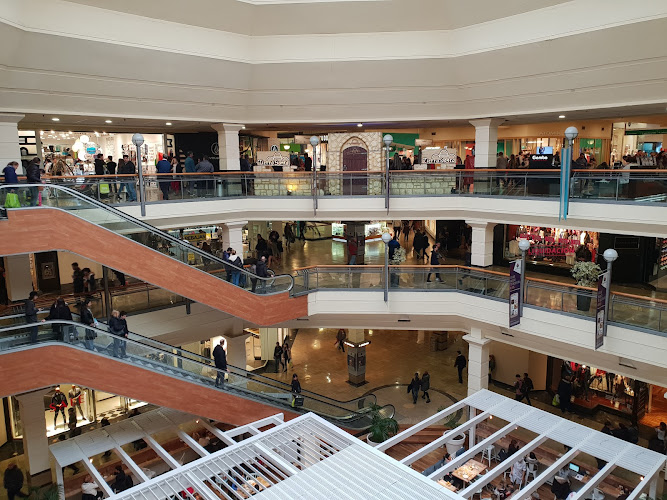
Villa Crespo is a walkable residential and creative district in north-central Buenos Aires, centered around Avenida Corrientes, Calle Murillo and the streets between Palermo, Chacarita, Almagro and Caballito. Established in 1888 around the Fábrica Nacional de Calzado shoe factory, the barrio developed through immigrant working-class communities, particularly a significant Jewish community, and now draws travelers for leather outlets, murals, independent cafés, neighborhood restaurants and live music.
What to Expect at Villa Crespo
Villa Crespo rewards wandering rather than checklist sightseeing. Begin around Malabia and Avenida Corrientes, where century-old apartment buildings, greengrocers and bakeries sit beside design studios and bars. Calle Murillo, especially between Scalabrini Ortiz and Juan B. Justo, remains the area’s practical shopping corridor for Argentine leather: jackets, bags, belts and shoes appear in factory outlets and small specialist shops. Compare stitching, lining and exchange policies before buying, and expect independent stores to keep their own hours.
The neighborhood’s cultural anchors give it a distinctly local rhythm. The Centro Cultural Osvaldo Pugliese, at Julián Álvarez 240, hosts concerts, theatre and workshops in honor of the influential tango pianist and composer. Near Humboldt, Club Atlético Atlanta’s Estadio Don León Kolbowski brings match-day energy to the barrio, while the Movistar Arena at Humboldt 450 stages major Argentine and international concerts. For food, Mercat Villa Crespo at Thames 747 gathers casual counters and drinks under one roof, a useful stop before an evening event or a walk toward Palermo.
- Calle Murillo leather district: Browse Argentine-made leather jackets, handbags, footwear and belts along the barrio’s best-known outlet street.
- Centro Cultural Osvaldo Pugliese: Seek out tango-adjacent programming, theatre, classes and community events at Julián Álvarez 240.
- Mercat Villa Crespo: A compact food hall at Thames 747 for casual meals, coffee, beer and an easy introduction to current local dining.
- Club Atlético Atlanta: The historic Bohemios football club plays at Estadio Don León Kolbowski on Humboldt, giving visitors a direct view of barrio sporting culture.
- Street art and side streets: Look along Serrano, Thames, Castillo and Aguirre for painted shutters, warehouse walls and small-scale studios.
Villa Crespo at a Glance
| Detail | Information |
|---|---|
| Address | Villa Crespo, C1414, Buenos Aires, Argentina; a public neighborhood rather than a single street-address venue. |
| Neighborhood / Area | Villa Crespo, between Palermo, Chacarita, Almagro and Caballito. |
| Operating Hours | Public streets are accessible daily; shops, markets, cafés, cultural venues and event spaces set individual hours. |
| Admission / Price Range | Free to explore; shopping and dining are typically $$, while concerts and football matches require separately priced tickets. |
| Recommended Visit Duration | 2 to 4 hours, or a full afternoon and evening with a meal or event. |
| Nearest Transit / Parking | Subte Line B: Malabia/Osvaldo Pugliese, Dorrego and Federico Lacroze; limited curb parking and paid garages around Corrientes and Juan B. Justo. |
| Official Website & Phone | Buenos Aires Tourism; no single neighborhood phone number. |
Visiting Tips, Getting There & Nearby Pairings
Arrive late morning on a weekday for the calmest outlet browsing, then pause for lunch before stores begin closing in the early evening. Saturdays are livelier but busier, and Sunday trade varies sharply by business. For Movistar Arena shows or Atlanta fixtures, buy tickets only through the organizer’s official channel and leave extra time for security lines and heavy traffic around Humboldt. A SUBE card makes Line B and city buses the simplest way to connect from the center; Malabia/Osvaldo Pugliese is useful for the southern end, while Dorrego suits Avenida Corrientes and Chacarita-facing blocks.
Villa Crespo is mostly flat, but its older sidewalks can be cracked, narrow or interrupted by tree roots, and curb cuts are inconsistent. Line B stations in this area involve stairs or escalators, so wheelchair users and travelers with strollers should plan an accessible bus route or taxi rather than rely on the subway. Pair a walk here with Parque Centenario, about 15 minutes south via Ángel Gallardo, for its lake and weekend book market; Palermo Soho’s boutiques and dining streets begin roughly 10 to 15 minutes west on foot; and Chacarita’s cemetery and restaurant scene are a short walk north from Dorrego.
Frequently Asked Questions
When is the best time to visit Villa Crespo?
Public streets are open at all hours, but late morning through early evening is best for cafés and Murillo’s leather shops. Weekday mornings offer the easiest browsing; visit after dark for dinner, concerts or nightlife around Corrientes, Humboldt and Thames.
Does Villa Crespo charge admission or require reservations?
There is no admission charge to explore the neighborhood. Budget $$ for meals and purchases, while concert tickets at Movistar Arena and Club Atlético Atlanta matches are separately ticketed; reserve popular restaurants and event tickets ahead for weekend evenings.
How much time should I spend in Villa Crespo?
Allow two to four hours for leather outlets, murals, coffee and Mercat Villa Crespo. Add an evening if you have a concert, a football match, or dinner plans, and combine the barrio with nearby Palermo, Chacarita or Parque Centenario.
Is Villa Crespo suitable for families and wheelchair users?
Families will find an everyday Buenos Aires neighborhood with casual dining, parks nearby and football culture, though it has no single attraction designed as a children’s venue. The terrain is largely level, but uneven pavements and stair-based Line B access make a taxi or accessible bus route the more practical option for wheelchairs and strollers.
When planning your Buenos Aires travel guide or browsing verified attractions in Buenos Aires, pair this stop with standout local spots including Buenos Aires Province, Museo Nacional de Bellas Artes, Buenos Aires Metropolitan Cathedral, and La Cabrera (1.2 km away).