Editorial disclosure: This destinations.ai guide was prepared with AI assistance and checked against the official sources linked below. Accommodation and activity placeholders may use affiliate links; that does not change the planning advice.
Busan rewards you with a South Korean city break shaped by the sea: sandy urban beaches, a working port, hillside neighborhoods, seafood markets, and temples set against dramatic coastline. You can spend the morning in a historic market district and finish the evening beside Gwangan Bridge.
For a first visit, give Busan three days, base yourself near the part of the city you will explore first, and organize each day by east, central, or west Busan. The city spreads widely along bays and hills, so a route that looks close on a map may involve a long subway-and-bus journey.
Key Takeaways
- Spend three days for beaches, markets, a temple, and a slower neighborhood visit.
- Pair Haeundae and Gwangalli on one day, then group Gamcheon and Nampo-dong together.
- Use the subway and taxis for core sights, with timed attractions booked before arrival.
Quick Answers and Trip Profile
Busan is worth visiting when you want a coastal South Korean city with strong food culture, walkable beach districts, and a different pace from Seoul. You will find major sights across several distinct areas, from Haeundae in the east to Gamcheon Culture Village and Jagalchi Market in the west.
Plan two nights as a minimum, or three nights if you want time for Haedong Yonggungsa, Taejongdae, Beomeosa, Songdo, or a day trip. A practical first-time structure is one eastern beach day, one western heritage-and-market day, and a final half-day near your hotel.
Busan suits couples looking for night views, families who want beach time and interactive museums, food-focused travelers, and independent visitors comfortable using public transport. For a concise orientation before booking, use the city’s official Busan visitor information for seasonal listings, attraction updates, and local event notices.
You’ll get the smoothest trip by deciding whether your arrival and departure favor Busan Station, Gimhae International Airport, or a particular hotel district. A KTX arrival puts you close to the old port area; an eastern beach hotel makes Haeundae and Gijang easier to reach.
Best Things to Do in Busan
Busan’s essential experiences combine a coastal temple, beach promenades, a hillside art village, port markets, and an evening waterfront view. Give each place enough time to feel like a neighborhood visit, not a photo stop between long transfers.
Start with Haedong Yonggungsa, the Buddhist temple on the Gijang coast. Descend its stone steps early, when the sea view is clear and the walkways are less busy. Dress respectfully, keep your voice low near prayer spaces, and check current access notices before you travel during severe coastal weather.
Ride the Haeundae Blueline Park route along the coast, choosing the Beach Train for a scenic rail experience or the Sky Capsule for a private, timed ride. Book the Sky Capsule early for weekends, school holidays, and clear-weather dates, then leave time for Mipo, Cheongsapo, and Dalmaji-gil.
At Gamcheon Culture Village, follow marked lanes through the painted hillside settlement, stop at small galleries or cafés, and remember that residents live among the murals. The steep terrain and stairways make comfortable shoes essential.
Jagalchi Market offers the classic Busan seafood experience. Browse the catch on the lower levels, then choose a vendor and confirm preparation and pricing before you sit down. Continue through Gukje Market, BIFF Square, and Nampo-dong for street snacks and shopping.
For a contemporary waterfront evening, walk Haeundae Beach and Dongbaekseom, then head to Gwangalli Beach after dark for Gwangan Bridge views. If you enjoy film history, add the Busan Museum of Movies while you’re already exploring Nampo-dong.
History, Culture, and Local Character
Busan’s character comes from its position as Korea’s major southeastern port, its wartime history, and communities built across steep coastal hills. You’ll see this most clearly where markets, harbor infrastructure, alleyways, and modern towers meet around the old downtown.
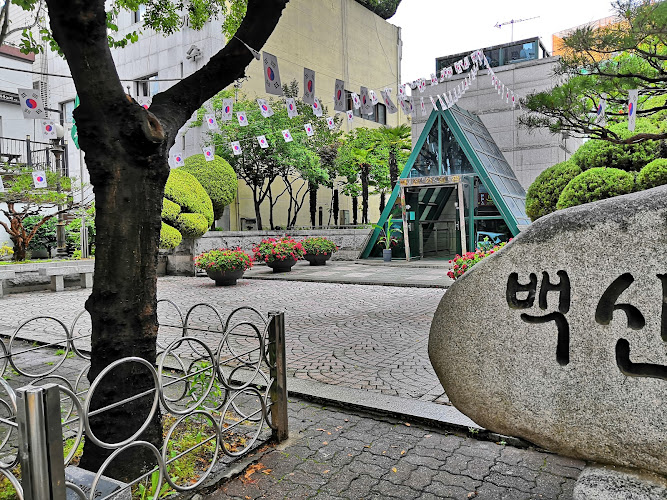
During the Korean War, Busan served as the Republic of Korea’s temporary capital, drawing displaced people and institutions into the city. The 40 Steps area recalls that period through streets and memorial spaces connected with separation and reunion. Add the 40 Step Culture Tourism Theme Street when you want historical context beyond the beach districts.
Korean cinema has a visible presence through the Busan International Film Festival and the BIFF Square area. You’ll find handprints, movie references, and lively food stalls around the square, especially in the evening.
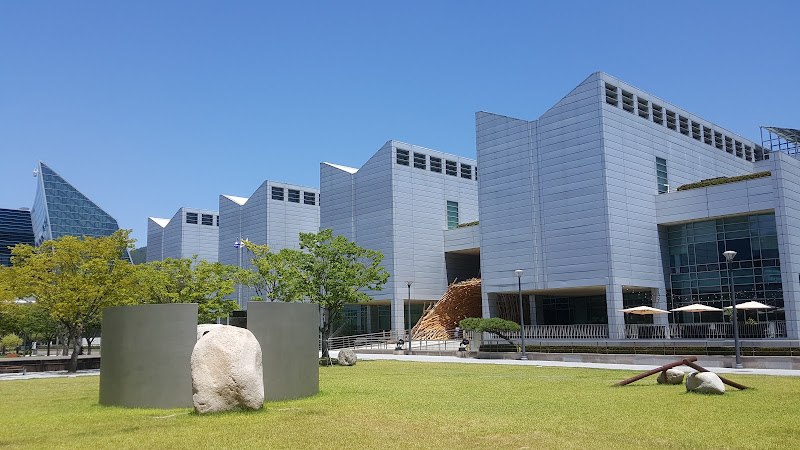
Busan also has a distinctly maritime identity. In Yeongdo, the National Maritime Museum gives you a useful indoor stop with exhibitions related to shipping, seafaring, and the ocean. Check its official visitor guidance for current opening dates and programming before you go.
Food provides another route into local culture. Seek out dwaeji-gukbap, a pork-and-rice soup associated with Busan; milmyeon, cold wheat noodles; grilled shellfish; fish cake; and ssiat hotteok, a filled sweet pancake with seeds and nuts. Ask for help with spice levels when ordering, especially at casual stalls where English menus may be limited.
Neighborhoods, Parks, and Outdoor Activities
Choosing one area at a time is the best way to experience Busan without spending your trip in transit. The city’s eastern shoreline, central shopping districts, old port neighborhoods, and southern cliff walks each offer a different day out.
Haeundae is your choice for beach access, high-rise hotels, the Blueline Park, and polished cafés. Walk from Haeundae Beach around Dongbaekseom toward The Bay 101 area for sea air and skyline views.
Gwangalli feels more neighborhood-focused, with a broad beach facing Gwangan Bridge. You can arrive before sunset, have dinner nearby, and stay for the illuminated bridge without building a complex late-night route.
Seomyeon and Jeonpo place you near a major subway interchange, department stores, cafés, and an extensive dining scene. This central location works well when your plans cover both sides of Busan.
Nampo-dong and Yeongdo suit you for market walks, harbor scenery, museums, and older city streets. Pair Nampo-dong with Gamcheon, Songdo Beach, or the cliffside lanes of Huinnyeoul Culture Village.
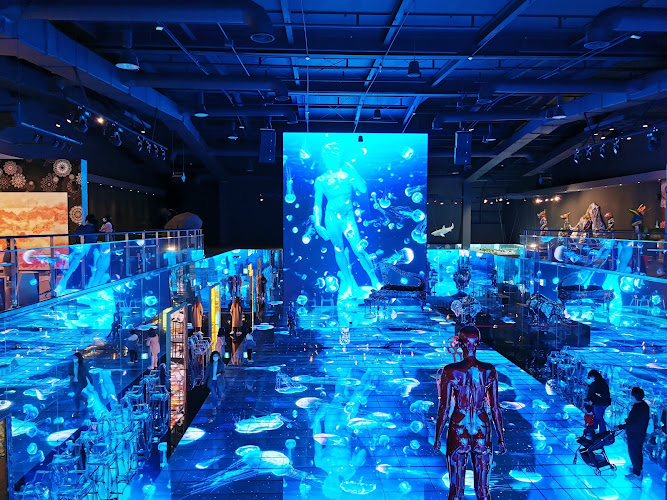
For outdoor time, hike a section of Geumjeongsan or visit Taejongdae Resort Park for forest paths and sea cliffs. Conditions change quickly along exposed coastal routes, so wear shoes with grip, carry water, and check weather alerts before setting out. Families may prefer beach promenades, Songdo’s waterfront, or the Busan Science Center for a weather-proof activity.
Where to Stay and What to Eat
Your best place to stay depends on whether you prioritize beaches, transit convenience, markets, or a short connection to KTX. Booking close to your first morning’s plans saves time with luggage and makes evenings easier.
Choose Haeundae for a resort feel, beach walks, family-friendly facilities, and access to eastern attractions. The Signiel Busan area places you near Haeundae’s shoreline and major hotels, though western sights require a longer cross-city journey.
Stay in Gwangalli if you want bridge views, relaxed evening walks, and independent restaurants close to your hotel. It works especially well for a couple’s trip or a beach-focused weekend.
Choose Seomyeon when you want the most practical subway connections and a busy local dining scene. You’ll sacrifice sea views, yet gain an efficient base for a split east-and-west itinerary.
Book Nampo-dong or near Busan Station for Jagalchi Market, BIFF Square, Gukje Market, and early KTX departures. Nampo-dong suits food-focused stays; Busan Station helps when you arrive late or leave early.
For meals, start your day with dwaeji-gukbap, order milmyeon for lunch, and reserve seafood for Jagalchi or a coastal grill in the evening. In markets, point to what you want, confirm the serving size and preparation charge before ordering, and carry cash as a backup for small vendors.
How to Get There and Get Around
You can reach Busan by KTX rail, domestic or international flight into Gimhae International Airport, long-distance bus, or car. KTX is the most direct choice from Seoul, arriving at Busan Station near the old downtown and port.
From Seoul, reserve KTX tickets through official rail channels as soon as your dates are firm, especially for Friday evenings, Sunday returns, Korean public holidays, and festival periods. If your hotel is in Haeundae, go straight there after arrival and explore the eastern coast first.
From Gimhae International Airport, use the Busan-Gimhae Light Rail Transit to connect with the subway network, or take a taxi when you have heavy luggage, young children, or a late arrival. Confirm your hotel address in Korean through its booking confirmation before boarding.
Within Busan, use a reloadable Korean transit card for the metro and city buses. Subway signage is clear in major stations, while buses fill gaps to coastal temples, villages, and parks. Navigation apps designed for Korea are more reliable for live local routing than many international map services.
Taxis are useful for short hops, late-night returns, and routes involving several transfers. Show your destination in Korean, follow the meter, and keep your hotel card or saved address ready. You don’t need a rental car for the core itinerary; traffic and parking make driving less appealing in central beach and market districts.
Best Time to Visit and Seasonal Planning
April, May, September, and October give you the most comfortable conditions for beach walks, market touring, and coastal hiking. October is widely favored for mild weather and major cultural events, with one monthly planning guide listing temperatures of 18 to 22°C during the month and noting the Busan International Film Festival and fireworks season in its October travel overview.
Spring brings cherry blossoms and pleasant walking weather. Build flexibility into your plan because blossom timing shifts with annual weather patterns, and check local forecasts before committing to a specific date.
Summer is beach season at Haeundae, Gwangalli, Songdo, and Dadaepo. You should expect heat, humidity, heavier crowds, and periods of strong rain during the monsoon season. Reserve accommodation early if your trip falls in July or August, and place outdoor activities in the morning.
Autumn offers clear visibility for coastal viewpoints, mountain trails, and night walks. Festival dates change each year, so confirm schedules before paying for flights or nonrefundable hotels.
Winter is cooler and quieter, yet Busan’s coastal setting keeps it milder than many inland destinations. You can enjoy seafood, museums, cafés, hot springs, and clear-day walks at Taejongdae or Dongbaekseom. Pack layers for wind near the water, along with shoes suitable for wet paths.
A Practical Two- or Three-Day Itinerary
A successful Busan itinerary keeps eastern and western sights on separate days. This route gives you a broad first visit while leaving space for meals, weather changes, and unplanned stops.
Day 1: Haeundae, Gijang, and Gwangalli
Begin at Haedong Yonggungsa, then travel back along the coast for the Blueline Park or a walk at Cheongsapo. Spend the late afternoon around Haeundae Beach and Dongbaekseom. Have dinner in Gwangalli and remain on the beach for Gwangan Bridge after dark.
Day 2: Gamcheon, Jagalchi, and Nampo-dong
Visit Gamcheon Culture Village in the morning before the narrow lanes become crowded. Continue to Jagalchi Market for lunch, then browse Gukje Market and BIFF Square. Use the evening for Nampo-dong shopping, the Busan Tower area, or a harbor-side walk.
Day 3: Choose your interest
For nature, go to Taejongdae or Songdo and Yeongdo. For temples and hiking, travel to Beomeosa and Geumjeongsan. For a central city day, explore Seomyeon and Jeonpo cafés before collecting your luggage.
With only two days, use Day 1 and Day 2 without adding a distant temple, mountain hike, or Yeongdo detour. Grouping districts this way reflects a route-planning approach for Busan’s spread-out attractions, which prevents long east-to-west backtracking.
Costs, Safety, Accessibility, and Reservations
Your Busan budget varies most by hotel standard, transport choice, seafood orders, and paid coastal attractions. Accommodation and attraction prices change frequently, so compare current rates directly with hotels and official ticket pages before you commit.
You can keep food costs controlled by mixing market snacks, noodle shops, rice-soup restaurants, and one planned seafood meal. At seafood restaurants, ask for the total expected cost before preparation begins. Card payment is widespread, though small market stalls and neighborhood vendors are easier with some Korean won.
Busan is comfortable for independent travel when you use ordinary city precautions. Keep valuables secure in crowded markets, cross carefully around scooters and delivery traffic, and avoid exposed coastal paths during high winds or heavy rain.
Emergency services in South Korea are reached through 112 for police and 119 for fire or medical assistance.
Accessibility varies sharply by neighborhood. Major subway stations, malls, modern museums, and beachfront promenades offer the smoothest experience for wheelchair users and travelers with limited mobility. Gamcheon’s steep stairs, Haedong Yonggungsa’s descent, and many older market lanes require more planning.
Contact your hotel and each attraction directly about step-free entrances, elevator access, accessible toilets, and mobility-aid rental.
Reserve timed attractions, popular hotels, KTX seats, and special dining plans before arrival. Keep only one or two fixed-time activities per day, since rain, transit delays, and beach weather can reshape your schedule.
Sources and Current Planning Links
Use official channels to confirm operating hours, weather closures, festival dates, transit changes, and reservation rules close to your travel date.
- Check current attractions, themed routes, and city events through the official Busan tourism guide.
- Browse the Destinations.ai Busan directory for mapped attractions, museums, hotels, and dining listings.
- Review your KTX departure station, luggage needs, and hotel check-in time before you reserve rail tickets.
- Confirm sea conditions before coastal walks, temple visits, and beach activities, especially during summer rain and typhoon alerts.
- Ask hotels and attractions about current accessibility arrangements before booking if you need step-free access.
Frequently Asked Questions
Busan works best with two or three full sightseeing days, depending on how many coastal areas and cultural sites you want to include. You will cover the major highlights in two days, while a third day gives you time for a temple, Taejongdae, Yeongdo, or relaxed café and shopping time.
How many days are enough for Busan?
Three days are enough for a balanced first trip to Busan. You can devote one day to Haeundae and Gwangalli, one to Gamcheon and Nampo-dong, then use the third for a temple, park, or neighborhood near your hotel.
Is two days enough to see Busan?
Two days are enough to see Busan’s signature sights if you keep each day in one side of the city. Use one day for Haedong Yonggungsa, Haeundae, and Gwangalli, then spend the next at Gamcheon Culture Village, Jagalchi Market, and Nampo-dong.
What can families do in Busan?
Families can combine beach time at Haeundae or Gwangalli with the Blueline Park, Songdo waterfront, the Busan Science Center, and the National Maritime Museum. Choose a hotel close to the beach or subway, schedule outdoor activities early, and keep a museum or aquarium-style indoor alternative ready for rain.
What day trips can you take from Busan?
You can take day trips from Busan to Gyeongju for Silla-era heritage, Tongyeong for harbor scenery, or the Gijang coast for a shorter excursion. Leave early, check rail or bus timetables the day before, and avoid combining a distant day trip with a fixed evening reservation in Busan.
What are the best things to do in Busan in winter?
Winter is a good time for seafood meals, museums, cafés, hot springs, and crisp coastal walks around Taejongdae, Dongbaekseom, or Gwangalli. Visit Haedong Yonggungsa on a clear day, dress for the strong sea wind, and check trail and waterfront conditions after rain or storms.
Affiliate placeholder: Compare accommodation options after checking the official property details, location, and cancellation terms.
Affiliate placeholder: Check current activity availability, meeting points, accessibility, and cancellation terms before reserving.