Editorial disclosure: This destinations.ai guide was prepared with AI assistance and checked against the official sources linked below. Accommodation and activity placeholders may use affiliate links; that does not change the planning advice.
Cape Coral, Florida, sits on Southwest Florida’s Gulf Coast beside the Caloosahatchee River, built around an extensive network of residential waterways. Its appeal is relaxed and water-centered: you come to boat, fish, kayak, watch for wildlife, use a pool, and take easy drives to nearby barrier-island beaches.
Your best Cape Coral trip combines a canal or river outing, a mangrove park visit, and time at a marina or waterfront restaurant, with a car and flexible weather plans built in. The city has more than 400 miles of navigable canals, a defining feature highlighted by Cape Coral’s official visitor information.
You’ll get the most from Cape Coral by choosing accommodations close to the activities you value, checking dock and pool rules before booking, and treating beach time as a short drive or boat excursion.
Key Takeaways
- Cape Coral suits you if boating, fishing, pools, and quiet waterfront time are priorities.
- A rental car gives you the easiest access to parks, marinas, restaurants, and nearby beaches.
- Winter and spring bring comfortable outdoor weather, while summer requires rain and hurricane awareness.
Quick Answers and Trip Profile
Cape Coral is best for you if you want a low-key Southwest Florida base with canal views, boating access, family recreation, and day trips to Fort Myers, Sanibel-area beaches, and Pine Island.
- Best for: Families, couples, anglers, boaters, paddlers, and travelers booking multi-night vacation rentals.
- Ideal stay: Three to five nights gives you time for water activities, parks, and a beach day.
- Closest major airport: Southwest Florida International Airport (RSW) near Fort Myers.
- Best transport: Rental car, with rideshare useful for selected dinners and airport transfers.
- Signature experience: A guided boat trip or rental-boat outing on the Caloosahatchee River and surrounding waterways.
- Beach expectation: Cape Coral has waterfront recreation areas, while broad Gulf beach days are strongest on nearby islands and Fort Myers Beach.
The city covers a large, largely residential area, so you should book by location and driving time. A waterfront house with a dock feels very different from a hotel near downtown Cape Coral or a resort stay around Tarpon Point Marina.
Best Things to Do in Cape Coral, Florida, United States
The best things to do in Cape Coral put you on the water or along its edges, from boating and fishing to mangrove walks and waterfront meals.
Start with a boat charter, guided eco-tour, kayak, or paddleboard session. Cape Coral’s canal system links many neighborhoods to the Caloosahatchee River, though canal routes vary in depth, bridge clearance, lock access, wake restrictions, and time required.
If you rent a boat, confirm navigation limits, insurance terms, safety gear, and whether you have the experience required by the operator.
For an easy nature outing, walk the boardwalk at Four Mile Cove Ecological Preserve. The preserve gives you a close view of mangroves and estuarine habitat along the river. Bring water, insect repellent, closed-toe shoes, and binoculars for birds.
Rotary Park Environmental Center is another strong stop for trails and native landscaping. It pairs well with an unhurried morning before the midday heat.
Check the City’s parks and facilities map for current access details, amenities, and closures.
Families visiting in warm weather often plan a day at Sun Splash Family Waterpark, whose seasonal calendar and ride availability should be checked before you set your itinerary.
For an evening, head toward Cape Harbour, Tarpon Point Marina, or South Cape for waterfront views, restaurants, live-music listings, and sunset walks.
You can also browse current local options on the Cape Coral destination page when building a short list around your lodging area.
History, Culture, and Local Character
Cape Coral’s character comes from a planned mid-20th-century canal-city vision, with neighborhoods arranged around waterways, bridges, cul-de-sacs, and boat access.
This is a newer Florida city, so you’ll find its history in development stories, waterfront living, fishing culture, and the relationship between land, canals, and the Caloosahatchee River.
Its rhythm is residential and outdoors-oriented, with local gathering places concentrated around commercial corridors, marinas, parks, and community venues.
For a small cultural stop, look for current programming at the Cape Coral Arts Studio and the Cape Coral Historical Museum. Confirm schedules directly before you go, since exhibitions, classes, and operating days change.
If you’re traveling farther west toward Pine Island, the Museum Of The Islands adds useful context on the region’s island communities and coastal heritage.
You’ll notice that daily life in Cape Coral revolves around water access. Conversations about boats, tides, fishing, manatees, dock lifts, seawalls, and bridge routes are part of the local vocabulary.
Respect private docks and waterfront property, even when you’re exploring by kayak or boat.
Neighborhoods, Parks, and Outdoor Activities
Choose your Cape Coral area by the kind of access you want, because dining, boating, and outdoor recreation are spread across the city.
South Cape works well when you want closer access to restaurants, casual nightlife, and the Cape Coral Parkway area. It’s practical for travelers who prefer a central base and shorter drives to Fort Myers across the river.
Cape Harbour and Tarpon Point suit you if marina views, waterfront dining, boat charters, and resort-style surroundings are high on your list.
These areas are useful for couples and groups who want evenings close to their accommodations.
Southwest and Southeast canal neighborhoods are common choices for vacation homes with pools, screened lanais, docks, and Gulf-access or freshwater-canal settings.
Verify whether the canal reaches open water, whether the dock is available to guests, and whether pool heat carries an added fee.
Northwest Cape Coral gives you more space and a quieter residential setting, though you should expect longer drives to many restaurants and riverfront activities.
For outdoor time, rotate between Four Mile Cove, Rotary Park, neighborhood playgrounds, and a paddling route. The City identifies dozens of community parks, and Cape Coral’s paddling and park overview notes 44 additional community parks beyond the preserve.
Stay alert for heat, lightning, changing tides, and boat traffic.
Where to Stay and What to Eat
Your best lodging choice is a canal rental for private outdoor space, a marina resort for walkable waterfront evenings, or a central hotel for straightforward driving.
A vacation rental suits you when you want a kitchen, separate bedrooms, laundry, a pool, or a lanai. Read the individual listing closely: a photographed boat lift, grill, kayak, dock, or bicycle isn’t automatically included.
Confirm parking capacity, pet rules, pool barriers for children, accessibility features, and the exact location before payment.
For a full-service waterfront stay, consider The Westin Cape Coral Resort At Marina Village, located by Tarpon Point Marina.
A central hotel such as Hampton Inn & Suites Cape Coral-Fort Myers Area can make short stays easier when you’re spending most days out exploring.
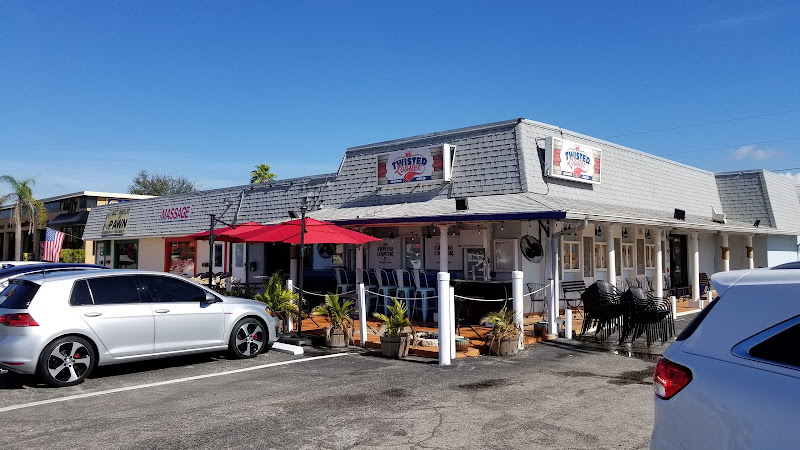
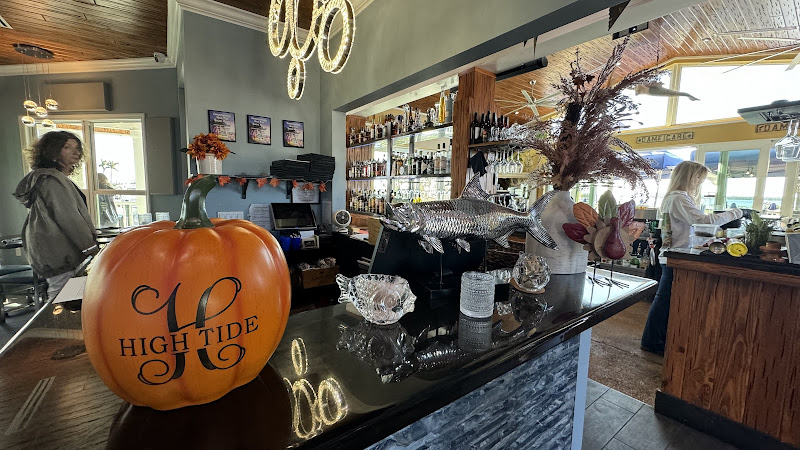
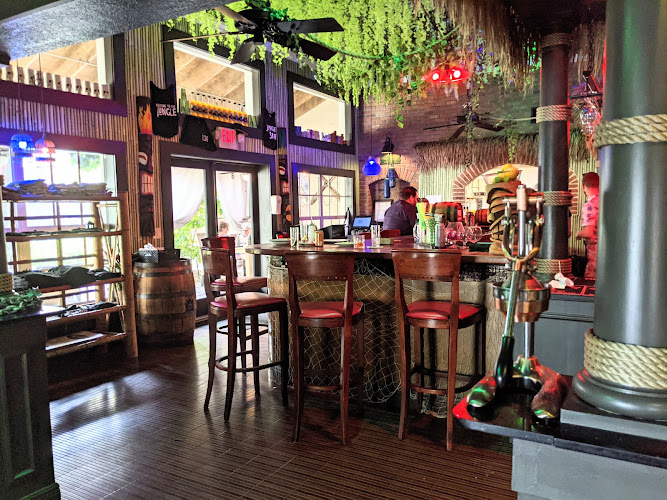
Cape Coral dining leans into waterfront seafood, casual grills, breakfast cafes, Italian cooking, and neighborhood restaurants. Reserve waterfront tables for weekend sunsets and holidays.
When choosing seafood, ask what is local and in season, then check daily specials for the clearest picture of what the kitchen is featuring.
South Cape offers a useful concentration of independent restaurants. For a relaxed meal in that area, you can consider Front Porch Social as part of an evening that includes nearby shops or bars.
How to Get There and Get Around
Flying into Southwest Florida International Airport and renting a car is the most convenient way to reach and explore Cape Coral.
RSW is the primary airport for most visitors, with Fort Myers on the opposite side of the Caloosahatchee River. Punta Gorda Airport is another option for some domestic routes.
Your drive time changes with bridge traffic, time of day, and the location of your accommodation, so enter the exact address before committing to dinner or tour reservations.
If you drive, Interstate 75 provides the main north-south approach through Southwest Florida, with local routes leading west into Cape Coral.
Build tolls into your plan when crossing bridges or using a rental vehicle, and ask the rental company how its toll program works before departure.
Within Cape Coral, use a car for grocery runs, parks, beach trips, and most restaurants. Rideshare and taxis work best for point-to-point trips, especially when you plan to have drinks at a waterfront restaurant.
Public transportation serves the wider area, though it’s less efficient for a vacation itinerary across dispersed neighborhoods.
Walking is pleasant within marina districts and selected commercial areas, while long distances and limited continuous sidewalks make it impractical between many attractions.
For a wider Southwest Florida road trip, use these road-trip planning basics to map driving days around bridge crossings and beach parking.
Best Time to Visit and Seasonal Planning
November through April gives you Cape Coral’s most comfortable conditions for boating, parks, outdoor dining, and beach day trips.
Winter brings high demand for flights and accommodations, especially around holidays and school breaks. Reserve waterfront rentals, popular resort rooms, and boat charters early if you’re traveling from January through March.
Spring remains warm and active, with longer daylight and strong conditions for paddling and fishing. April is a useful choice if you want warm water activities with less winter travel pressure.
Summer brings higher heat, humidity, and frequent afternoon thunderstorms. You can still enjoy pool time, waterparks, early-morning fishing, and indoor breaks, though you should move outdoor plans earlier and watch lightning alerts.
Hurricane season runs from June 1 through November 30. If you visit during that period, buy flexible travel arrangements, monitor forecasts, and follow official notices.
The City’s hurricane-season communication guidance explains where local emergency updates are posted if power, internet, and cell service are disrupted.
For a date-led comparison across destinations, these tips on the best time to go on vacation can help you weigh school calendars, weather tolerance, and reservation demand.
A Practical Two- or Three-Day Itinerary
A three-day stay lets you experience Cape Coral’s waterways, nature spaces, and marina districts without filling every hour.
- Day One: Arrive, pick up groceries if you have a rental kitchen, and take a slow orientation drive through your immediate neighborhood. Spend sunset at Cape Harbour or Tarpon Point, then have dinner nearby. Keep this day flexible in case your flight, bridge traffic, or check-in runs late.
- Day Two: Book your main water activity in the morning, such as a fishing charter, guided eco-tour, kayak outing, or boat rental with a qualified operator. Return for pool time or rest during the hottest part of the afternoon, then choose a South Cape dinner reservation.
- Day Three: Walk Four Mile Cove Ecological Preserve or Rotary Park early, then decide between a beach day, an island drive, or a Fort Myers outing. If you are leaving that day, allow extra time for airport traffic and rental-car return.
For a two-day trip, combine the first evening with the arrival day, then choose one primary water activity and one park or beach excursion. Avoid stacking a boat charter, island beach visit, and distant dinner on the same day, since weather and bridge traffic can reshape the schedule.
Use a practical framework for how to plan a trip itinerary when booking timed activities. Place your highest-priority reservation in the first available morning, leaving later hours open for weather changes.
Costs, Safety, Accessibility, and Reservations
Your Cape Coral budget is driven most by lodging location, rental-car costs, boat activities, and the season you choose.
Accommodation prices change sharply during winter and spring demand, and vacation homes may add cleaning, service, pool-heating, pet, or damage-protection charges. Review the total checkout price, cancellation terms, and deposit rules before booking.
Boat rentals and charters also vary by vessel, duration, captain service, fuel policy, and passenger count, so request a written total.
For safety, use sunscreen, hydrate consistently, and leave the water when lightning is nearby. Wear a properly fitted life jacket for paddling and boating, follow local wake signs, and keep distance from wildlife. Manatees, dolphins, nesting birds, and mangrove habitats deserve space.
Accessible travel requires property-specific verification. Ask hotels or rental managers about step-free entries, bedroom and bathroom layouts, roll-in showers, pool lifts, parking, and dock access.
Park surfaces and boardwalk conditions can change after storms or maintenance, so contact the managing agency before your visit if mobility access is essential.
Reserve boat charters, waterpark visits, waterfront holiday meals, and peak-season accommodations ahead. Build a backup plan for rain, wind, or marine advisories, especially from late spring through fall.
For lower-cost decisions, use affordable travel planning strategies such as cooking some meals and prioritizing one paid signature activity.
Sources and Current Planning Links
Use official and current planning pages to confirm conditions before you travel, especially after severe weather, during hurricane season, and before reserving water activities.
- Visit Cape Coral for destination information and local trip ideas.
- City Of Cape Coral Parks And Facilities for park locations and municipal recreation details.
- City Of Cape Coral Hurricane Updates for emergency communication information.
- Current Cape Coral attraction listings for traveler reviews and changing activity availability.
- Cape Coral activity listings for bookable tours and seasonal attraction checks.
Fan-Out Coverage Checklist
Cape Coral works best when you match your lodging, transport, and daily pace to a water-focused destination spread across a large residential city.
Is Cape Coral, Florida, United States Worth Visiting?
Cape Coral is worth visiting if you want a relaxed Gulf Coast base for boating, fishing, nature walks, pool time, and nearby beach day trips. You will enjoy it most with a car and at least two full days.
What Are the Best Things to Do in Cape Coral, Florida, United States?
Book a water activity, visit Four Mile Cove Ecological Preserve, explore Rotary Park, and spend an evening at a marina district. Families can add Sun Splash Family Waterpark when it is operating for the season.
Where Should You Stay in Cape Coral, Florida, United States?
Stay near Cape Harbour or Tarpon Point for marina access, South Cape for restaurants, or in a canal-home neighborhood for a private pool and outdoor living space. Confirm the precise address and amenities before booking.
What Is the Best Time to Visit Cape Coral, Florida, United States?
November through April is the best period for comfortable outdoor weather. April offers warm conditions with a lighter feel than peak winter, while summer suits you if you are prepared for heat and afternoon storms.
How Do You Get to Cape Coral, Florida, United States?
You will most likely fly into Southwest Florida International Airport near Fort Myers and drive to Cape Coral. Driving via Interstate 75 is also straightforward if you are arriving from elsewhere in Florida or the Southeast.
How Do You Get Around Cape Coral, Florida, United States?
A rental car is the easiest way to get around Cape Coral. Use rideshare for selected evenings, and allow extra time for bridge crossings when traveling between Cape Coral and Fort Myers.
How Much Does a Trip to Cape Coral, Florida, United States Cost?
Your trip cost varies with the season, lodging type, transportation, and water activities. Compare full rental totals, including cleaning and pool-heating fees, and price boat outings separately from accommodations.
What Is a Good Two- or Three-Day Cape Coral, Florida, United States Itinerary?
Use your first evening for a marina district, dedicate one morning to a boat or paddling experience, and reserve another morning for a preserve or beach outing. Keep afternoons flexible for storms, swimming, and restaurant reservations.
What Can Families Do in Cape Coral, Florida, United States?
Families can visit parks, walk mangrove boardwalks, paddle with an experienced guide, use a private rental pool, and plan a seasonal waterpark day. Choose accommodations with documented child-safety features and supervise children closely around canals.
What Day Trips Can You Take From Cape Coral, Florida, United States?
You can take day trips to Fort Myers, Fort Myers Beach, Sanibel-area beaches when access conditions permit, Pine Island, Matlacha, and nearby wildlife or state-park destinations. Check road, bridge, beach, and parking conditions on the morning you leave.
Frequently Asked Questions
Cape Coral is a practical destination when you plan around water access, driving distances, and seasonal weather. These answers address the questions that shape most first visits.
What is Cape Coral known for?
Cape Coral is known for its extensive canal network, boating culture, fishing, waterfront homes, and access to the Caloosahatchee River. The official visitor site highlights more than 400 miles of navigable canals.
Does Cape Coral have beaches?
Cape Coral has waterfront recreation areas, while the region’s major Gulf beach experiences are found on nearby Fort Myers Beach and barrier islands. Check local conditions before a beach trip because storms and seasonal conditions affect access.
What is the best month to visit Cape Coral, Florida?
April is an excellent month for Cape Coral because you get warm weather for water activities with less winter peak-season pressure. January through March are also appealing for mild outdoor conditions, though accommodations and flights are often in higher demand.
What is the 50 rule in Cape Coral?
The “50% rule” commonly refers to floodplain requirements for substantially damaged or substantially improved structures, where work reaching 50% of a structure’s market value can trigger current flood-code compliance. It is a property and permitting issue, so contact the City Of Cape Coral’s building or floodplain staff for guidance on a specific address.
Is Cape Coral a good destination for families?
Cape Coral is a good family destination for families who enjoy pools, parks, water activities, and a quieter, home-base style of vacation. Choose a child-safe property, supervise children near canals, and schedule outdoor activities early during the hotter months.
Affiliate placeholder: Compare accommodation options after checking the official property details, location, and cancellation terms.
Affiliate placeholder: Check current activity availability, meeting points, accessibility, and cancellation terms before reserving.